

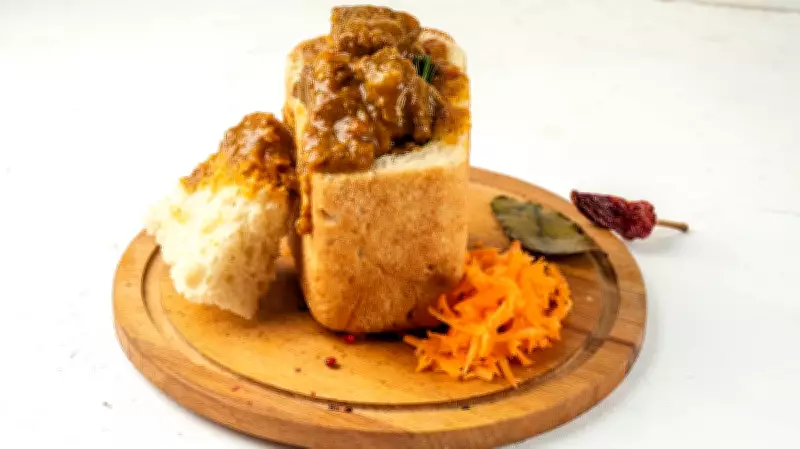
The bunny chow, a hollowed bread loaf filled with aromatic curry, is more than just a street food; it is a testament to migrant ingenuity and the evolution of flavours. Originating from the Indian community in South Africa, this portable meal has become one of the country's most iconic dishes.
A Culinary Journey from India to Durban
In the late 19th century, Indian indentured labourers arrived in South Africa, bringing with them their culinary traditions. Facing long working hours and limited access to utensils, they adapted their meals for convenience. The result was the bunny chow: a loaf of bread hollowed out and filled with spicy curry, often made with beans or meat. This innovation allowed workers to carry their lunch without needing plates or cutlery.
The Name and Its Origins
The term 'bunny chow' is believed to derive from the word 'banya', a term for Indian traders, or from the Gujarati 'bun' meaning a loaf. Over time, the dish evolved, with variations including chicken, lamb, or vegetable curries. Today, it is a staple in Durban, where the Indian diaspora has kept the tradition alive.

Cultural Significance and Global Recognition
Bunny chow represents a fusion of Indian spices with local South African ingredients. It has gained international fame, appearing on food blogs and travel shows. For many, it symbolizes the resilience and creativity of immigrant communities. The dish also highlights how food can bridge cultures and tell stories of migration.
How to Enjoy a Traditional Bunny Chow
A classic bunny chow is served in a quarter or half loaf of white bread, with the soft interior scooped out to hold the curry. The removed bread is often served on the side for dipping. The curry is slow-cooked with a blend of spices like cumin, coriander, and turmeric, offering a rich, hearty flavour. It is typically eaten with hands, tearing off pieces of bread to soak up the sauce.
Today, bunny chow continues to evolve, with chefs experimenting with fillings like butter chicken or even vegan options. However, the traditional version remains a beloved comfort food, connecting South Africans to their shared history.

