How to Fix Sour Idli Batter: Quick Kitchen Hacks to Salvage Over-Fermented Dough
The issue of sour idli batter is a frequent challenge in many households, particularly during seasons characterized by high temperatures and elevated humidity levels. While fermentation is an essential step in achieving the soft, fluffy texture that defines perfect idlis, there are times when this process goes too far. This over-fermentation results in a batter that emits a strong sour odor and carries an equally sharp taste. Many people might be tempted to discard such batter, believing it to be beyond repair. However, this is not necessarily true, as the batter can often be rescued with straightforward techniques that require minimal time and effort. These practical tips allow you to utilize the batter effectively, preserving much of its original quality in terms of both flavor and consistency.
Simple Kitchen Tips to Fix Sour Idli Batter Instantly
There are several easy solutions that can be quickly implemented to salvage sour idli batter, ensuring no wastage occurs. These methods focus on enhancing the taste and aroma of the batter while also adjusting its texture to make it suitable for cooking. With these approaches, there is no need to throw away the batter, saving both resources and effort.
Add a Pinch of Sugar or Jaggery to Balance the Sour Taste
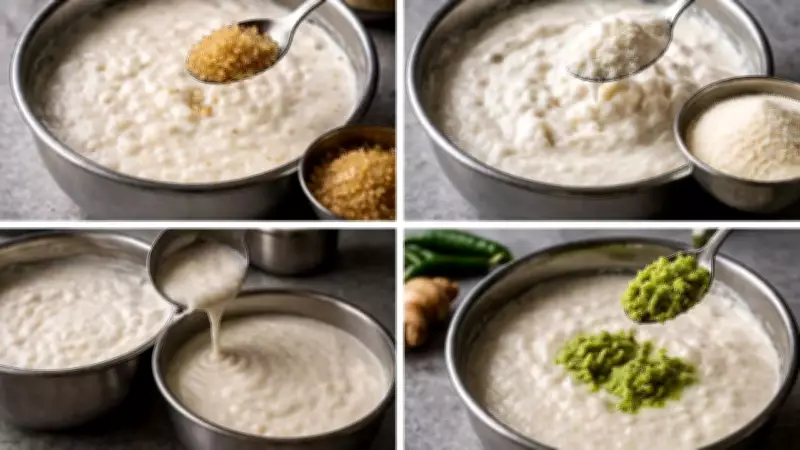
The fastest way to correct sour batter is by incorporating a small amount of sugar or jaggery. This addition does not make the batter taste sweet; instead, it helps to counteract the excessive sourness. A tiny pinch is often sufficient to bring about a noticeable improvement in both the flavor and scent of the batter, making it more palatable for idli preparation.

Use Semolina or Rice Flour to Adjust Texture and Taste
Another effective tip involves adding semolina, also known as rava, or rice flour to the batter in modest quantities. This serves a dual purpose: it improves the overall acceptability of the batter and thickens the dough. For idlis, this can result in a slightly firmer texture, while for dosas, it contributes to a crispier outcome. This method is particularly beneficial when the batter has become too thin and sour, helping to restore its ideal consistency.
Mix the Sour Batter with Fresh Batter for Better Results
If you have some freshly made batter available at home, blending a portion of the sour batter with it can significantly enhance the overall balance of flavors. This technique minimizes the overpowering sour taste, bringing back a more neutral and pleasant profile to your dishes. It is a simple yet effective way to ensure that the batter remains usable without compromising on quality.
Add Ginger and Green Chilli Paste to Mask the Sourness
A clever kitchen trick is to incorporate ginger and green chilli paste into the batter. While this does not reduce the sourness itself, it effectively masks the taste, making it less noticeable. This approach works especially well when preparing uttapam or dosa, rather than plain idlis, as the added spices complement these dishes beautifully.
Why Idli Batter Turns Sour Due to Over-Fermentation
The fermentation process in idli batter is driven by beneficial bacteria and yeast, which are crucial for developing a soft dough and a mildly acidic flavor. However, over-fermentation occurs when the batter is left to ferment for too long or exposed to excessive heat. This leads to an accumulation of acids, causing the batter to smell and taste sour. Environmental factors, such as temperature and humidity, play a significant role in regulating the speed of this process, making it more prone to issues in certain climates.
When to Still Use Sour Batter Instead of Fixing It
In some cases, instead of attempting to fix the batter, it may be more practical to use it differently. Slightly sour batter is ideal for making crisp dosas, paniyaram, or uttapam. These dishes often benefit from a tangy flavor, resulting in a delicious outcome that might even surpass idlis made with over-fermented batter. Therefore, with the right handling and preparation methods, sour batter can still be a valuable ingredient in your kitchen repertoire.

In summary, sour idli batter is not necessarily a lost cause. With simple ingredients like sugar, semolina, or fresh batter, you can easily restore its flavor and make it suitable for a variety of dishes. By understanding the causes of over-fermentation and applying these easy hacks, you can minimize waste and enjoy perfectly cooked idlis and other delicacies.