Do you meticulously check expiry dates on every grocery item you buy? While this is a smart habit for many products, you might be wasting money by discarding certain foods prematurely. A surprising range of everyday pantry staples can last for decades, or even indefinitely, if stored correctly. This knowledge can transform your shopping and storage habits, leading to less waste and more savings.
The Science Behind Eternal Shelf Life
What makes some foods virtually immortal? The key enemies of food spoilage are moisture, microbial growth, and oxidation. Foods that lack water, have high acidity, or contain natural preservatives like salt and sugar create an environment where bacteria and molds cannot thrive. Understanding this principle helps explain why the following items defy conventional expiry dates.
Pantry Heroes: Foods You Can Keep Forever
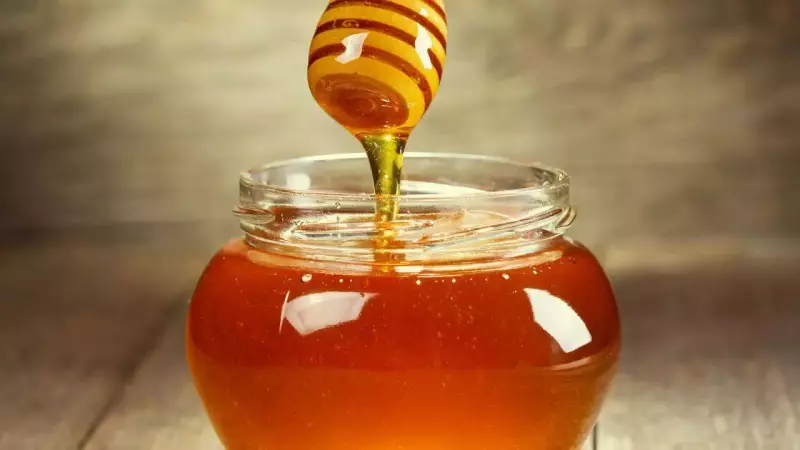
Honey: Often called liquid gold, pure, unadulterated honey is a timeless wonder. Its extremely low water content and natural acidity prevent spoilage. Archaeologists have found edible honey in ancient Egyptian tombs, proving it can last for centuries. Ensure it's stored in a sealed container to keep moisture out.

Salt: As a fundamental natural preservative, plain salt (sodium chloride) itself does not expire. It has been used for millennia to preserve other foods. However, iodized salt or salt with anti-caking additives may have a reduced shelf life of about five to six years. Pure sea salt or rock salt remains stable indefinitely.
White Rice: When stored in airtight, oxygen-free containers in a cool, dry place, white rice can remain edible for 25 to 30 years or more. The polishing process removes the bran and germ, which contain oils that cause brown rice to go rancid relatively quickly.
Sugar: Both white and brown sugar will not spoil if kept dry. Their low moisture content inhibits microbial growth. Sugar may harden into lumps over time due to humidity, but this does not make it unsafe. Simply soften it to use again.
Dried Beans and Lentils: While older beans take longer to cook, dried legumes can stay edible for decades. Their longevity comes from the removal of moisture, making them resistant to bacteria and oxidation.
Condiments and More: Surprising Long-Lasting Items
Soy Sauce: This fermented sauce has an incredibly long life due to its high salt content. An unopened bottle can last for decades, and even after opening, it remains safe for years when refrigerated, especially if it's a traditionally brewed variety without many additives.
White Vinegar: Due to its high acidity, white distilled vinegar is self-preserving and never spoils. It maintains its cleaning and culinary properties forever. Its appearance might change slightly, but it remains safe and effective.
Pure Vanilla Extract: Because of its high alcohol content, pure vanilla extract has an indefinite shelf life. Its flavor may mellow slightly over many years, but it will not become unsafe.
Cornstarch: As a pure carbohydrate with no fats or proteins to oxidize, cornstarch lasts indefinitely when kept in an airtight container away from moisture and pests.
Hard Liquor: Spirits like whiskey, vodka, and rum do not expire if the bottle remains sealed. The high alcohol level prevents spoilage. Once opened, oxidation can slowly alter the flavor, but the liquor remains safe to consume.
Smart Storage is Key
The eternal shelf life of these foods is contingent on proper storage. The universal rules are: keep them cool, dry, and airtight. Moisture is the primary villain. Transfer items to glass or food-grade plastic containers with tight-fitting lids. For long-term storage of grains like rice, consider using oxygen absorbers in Mylar bags stored in buckets.
Adopting this knowledge empowers Indian households to make smarter purchases, reduce unnecessary food waste, and build a practical, long-lasting pantry. It's a simple step towards more sustainable and economical living.