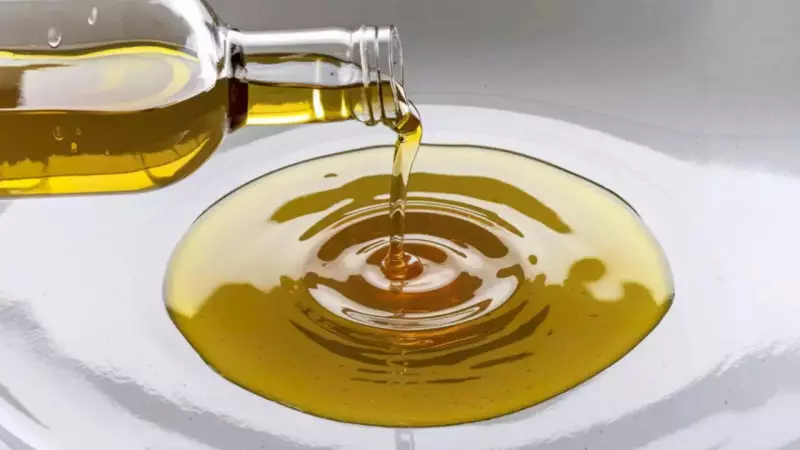
For most Indian households, cooking oil is a kitchen staple, indispensable for preparing daily meals. However, its utility extends far beyond the frying pan. Savvy gardeners across the country are discovering that common cooking oils, especially olive oil, can be surprisingly effective outdoor allies when used with proper knowledge and caution.
Seven Genius Garden Hacks Using Kitchen Oil
When applied correctly, a little oil can go a long way in solving common garden woes, from silencing noisy hinges to trapping pests. The key is understanding which methods are safe and effective.
1. Lubricate Squeaky Hinges Temporarily
Garden gates, shed doors, and swing sets often develop annoying squeaks due to rust and friction. A few drops of cooking oil can act as a quick-fix lubricant, creating a thin protective film between metal parts. Apply the oil directly into the hinge and work it back and forth to spread it evenly. Remember to wipe off any excess to prevent dust and debris from sticking. This is a temporary solution but invaluable when proper lubricant isn't handy.

2. Prevent Mosquito Breeding in Stagnant Water
Mosquitoes lay eggs in still water, which can accumulate in unused water features or containers. A very thin film of olive oil on the water's surface can suffocate larvae by blocking their oxygen supply. This method is only suitable for places where the water cannot be emptied and poses no risk to wildlife. Never use it in ponds with fish or plants, as it can severely disrupt the aquatic ecosystem.
3. Improve Dry, Dusty Soil Texture
Mixing small quantities of olive oil into extremely dry or dusty soil can help bind particles and promote more even moisture distribution before planting. This must be done very sparingly and infrequently, as excess oil can harm soil microorganisms and damage plant roots. It's best suited for small planting areas rather than large garden beds.
4. Create an Earwig Trap with Olive Oil and Soy Sauce
Earwigs can wreak havoc on leaves, flowers, and seedlings. An effective, targeted trap can be made using a shallow container filled with a mixture of olive oil and soy sauce. Placed at ground level, earwigs are attracted to the scent, crawl in, and cannot escape. Regularly empty the trap to keep populations in check. This method is specific to earwigs and spares beneficial insects.
5. Formulate a Homemade Organic Insecticide
Cooking oil can boost the effectiveness of DIY insect sprays by helping the mixture stick to pests like aphids, whiteflies, and mites. Combine a mild liquid soap with water and a small amount of oil to create a simple organic solution. Lightly spray infected plants, covering stems and leaf undersides. Always test on a single leaf first and avoid spraying in direct, hot sunlight, as the oil can magnify heat and burn foliage.
6. Preserve Garden Herbs by Freezing in Oil
Chopped fresh herbs from your garden can be preserved with their flavour and nutrients intact by freezing them in ice cube trays filled with olive oil. The oil prevents freezer burn and makes portioning easy. These frozen herb cubes can be tossed directly into your cooking, ensuring your garden's bounty lasts year-round.
7. Kill Weeds in Pavement Cracks with Used Oil
Used cooking oil can be an effective weed killer for unwanted growth in pavement cracks or along edges. The oil coats the weed, blocking air and moisture and causing it to die back. Apply carefully with a brush or small container, ensuring the oil does not run onto nearby soil or desirable plants. This method is recommended only for hard surfaces, not planting beds.
Four Popular But Harmful Uses to Avoid
Not every gardening tip involving oil is beneficial. Some can damage your plants, attract more pests, or even create hazards.
Don't Expect Oil to Deter Moles: There is no reliable evidence that pouring oil into mole tunnels works as a repellent. It will likely harm soil structure and plant roots while leaving the moles unaffected.

Avoid Treating Outdoor Furniture with Cooking Oil: Cooking oil breaks down quickly outdoors, becoming sticky, rancid, and attracting dirt. On wood, it can lead to staining and promote mould growth. Always use proper outdoor-grade oils or sealants for furniture maintenance.
Never Shine Plant Leaves with Oil: Coating leaves with oil clogs their pores (stomata), hindering respiration and photosynthesis. This can lead to leaf scorch and increase susceptibility to pests and diseases. Plants are naturally cleaned by rainwater.
Do Not Use Cooking Oil in Oil-Burning Lamps: This is a significant fire hazard. Cooking oil is not refined for this purpose and can produce excessive smoke and pose a risk of flare-ups. Always use fuel specifically designed for oil lamps.
In conclusion, while your kitchen's cooking oil can be a versatile tool in the garden, its application requires discernment. By focusing on the safe, proven methods and steering clear of harmful myths, you can solve everyday gardening problems effectively without putting your green space at risk.