

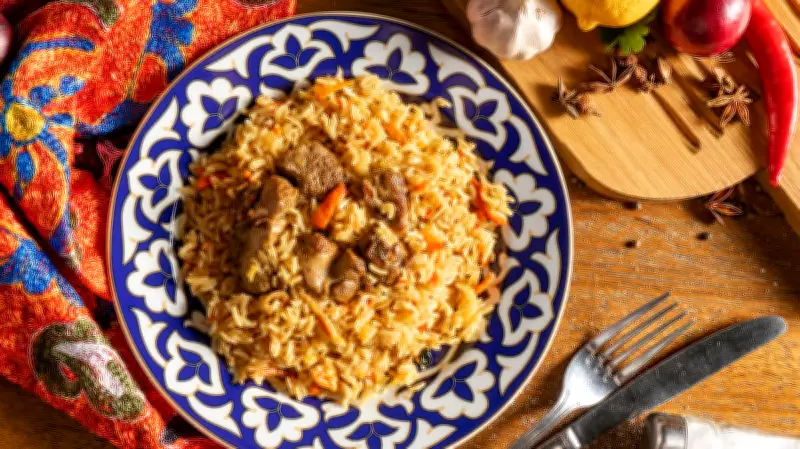
The Global Rise of Pilaf: A Culinary Journey from Ancient Persia to Modern Kitchens
In recent years, pilaf has emerged as a beloved dish worldwide, captivating food enthusiasts with its aromatic blend of rice, spices, and diverse ingredients. This versatile meal, rooted in ancient traditions, is experiencing a remarkable resurgence in modern culinary scenes, from home kitchens to gourmet restaurants.
Ancient Origins and Historical Significance
The origins of pilaf trace back to ancient Persia, where it was known as "pilau" and served as a staple in royal feasts and everyday meals. Historical records suggest that the dish spread across regions through trade routes and cultural exchanges, evolving into various forms:
- Persian Influence: The classic Persian pilaf often features basmati rice cooked with saffron, dried fruits, and nuts, creating a fragrant and colorful presentation.
- Central Asian Adaptations: In countries like Uzbekistan and Afghanistan, pilaf (known as "plov") is typically prepared with lamb, carrots, and cumin, reflecting local agricultural practices.
- Middle Eastern Variations: Regions such as Turkey and Lebanon incorporate ingredients like chickpeas, tomatoes, and herbs, adding a Mediterranean twist to the dish.
This historical journey highlights how pilaf has adapted to different cultures, becoming a symbol of culinary diversity and innovation.

Modern Popularity and Culinary Trends
Today, pilaf is celebrated for its versatility and health benefits, aligning with contemporary food trends that emphasize whole grains and plant-based diets. Its rise in popularity can be attributed to several factors:
- Nutritional Value: Pilaf often includes nutrient-rich components like vegetables, legumes, and lean proteins, making it a balanced meal option for health-conscious consumers.
- Ease of Preparation: With simple cooking techniques, pilaf can be easily customized for home cooks, allowing for creative experimentation with spices and ingredients.
- Global Fusion: Chefs worldwide are reinventing pilaf by incorporating local flavors, such as adding coconut milk in Southeast Asia or using quinoa in Western versions, showcasing its adaptability.
This modern appeal has led to pilaf being featured in food blogs, cooking shows, and restaurant menus, solidifying its status as a global comfort food.
Cultural Impact and Future Prospects
Beyond its culinary merits, pilaf holds cultural significance in many societies, often served during festivals, weddings, and family gatherings. Its ability to bring people together over a shared meal underscores its role in fostering community and tradition.
Looking ahead, the future of pilaf appears bright, with ongoing innovations likely to introduce new variations. As food enthusiasts continue to explore global cuisines, pilaf is poised to remain a staple, bridging ancient heritage with modern tastes. Whether enjoyed as a simple side dish or a elaborate main course, its timeless appeal ensures that pilaf will continue to rise in popularity for years to come.






