

How to Grow Goddess Durga's Favorite Aparajita Flowers in Your Balcony Garden
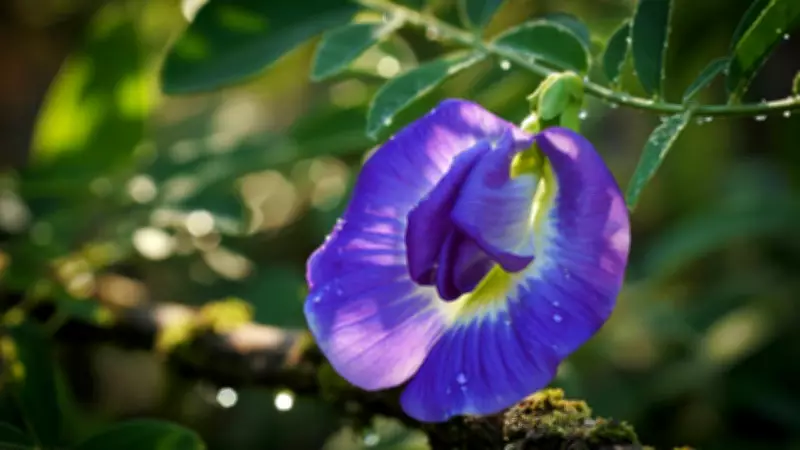
The aparajita flower, scientifically known as Clitoria ternatea and commonly called butterfly pea, is a stunning climbing vine that holds special significance as a favorite of Goddess Durga. With its vibrant blue blooms and relatively easy maintenance, this plant can transform even a compact balcony into a lush, flowering sanctuary. When provided with adequate sunlight, proper drainage, and structural support, aparajita thrives remarkably well in container gardens, offering long-lasting beauty and spiritual connection.
Selecting the Perfect Sunny Location
Aparajita plants flourish when exposed to abundant direct sunlight daily. For optimal growth and prolific flowering, position your balcony pot in a spot that receives strong morning or afternoon sunshine throughout most of the day. Avoid placing the vine in deep shade, as insufficient light can hinder bloom production and overall plant vigor. The butterfly pea's preference for full sun makes it particularly suitable for south or west-facing balconies that capture ample daylight.
Choosing Appropriate Containers with Drainage
Since aparajita is a climbing species, it requires sufficient root space and excellent drainage to prevent waterlogging. Select a container measuring approximately 8 to 12 inches in depth and 12 to 14 inches in width as a practical starting point. Crucially, ensure the pot features multiple drainage holes at the bottom to allow excess water to escape freely. Standing water can severely damage the root system and significantly reduce flowering capacity, making proper drainage non-negotiable for healthy growth.

Preparing Ideal Soil Conditions
This plant performs best in well-drained, fertile soil that maintains slight moisture without becoming soggy. For balcony containers, use a loose potting mix enhanced with organic compost to create an airy, nutrient-rich environment. The combination promotes robust root development while ensuring adequate aeration and moisture retention. Butterfly pea adapts well to dry to slightly moist soil conditions, but consistent watering practices yield superior results compared to erratic moisture levels.
Starting from Seeds with Proper Preparation
Aparajita typically propagates easily from seeds, though germination rates improve with preliminary preparation. Soak the seeds in water for several hours or overnight to soften the protective seed coat and accelerate sprouting. For even faster results, gently nick the seed coat before soaking to facilitate water absorption. These simple techniques significantly enhance germination success, especially important for balcony gardeners working with limited planting space.
Sowing Seeds at Correct Depth and Spacing
Plant prepared seeds approximately 1 inch deep in your potting mix, ensuring adequate spacing between them to prevent overcrowding as young vines develop. Maintain lightly moist soil conditions until germination occurs, typically within one to two weeks under optimal circumstances. Warm temperatures substantially improve sprouting success, making spring and summer the ideal seasons for balcony gardeners to initiate their aparajita cultivation projects.
Implementing Careful Watering Practices
While aparajita appreciates consistent moisture, particularly during its establishment phase, it cannot tolerate waterlogged conditions. Water the plant thoroughly when the top layer of soil begins drying out, focusing hydration on the root zone rather than wetting the foliage excessively. Damp leaves can encourage fungal diseases, so direct your watering can toward the soil surface. Avoid rigid daily watering schedules, instead monitoring soil moisture levels to determine when hydration is truly necessary.
Providing Essential Structural Support
As a twining vine, aparajita requires vertical support to grow properly and display its elegant climbing habit. Install a small trellis, attach the plant to balcony railings, create a wire frame, or utilize existing grillwork as climbing structures. Without adequate support, the vine will sprawl untidily across your balcony floor. With proper guidance, however, it grows neatly upward, creating attractive vertical greenery that maximizes limited balcony space while showcasing its beautiful blue blossoms.

Regular Pruning and Deadheading Techniques
Consistent pruning helps maintain aparajita's compact, bushy form rather than allowing it to become excessively long and weak. Regularly remove spent flowers through deadheading, which encourages continuous bloom production by redirecting the plant's energy from seed formation to new flower development. If vines become overly leggy, lightly trim the growing tips to stimulate fresh side growth and enhance overall plant density. These simple maintenance practices ensure your balcony vine remains vibrant and floriferous throughout the growing season.
Managing Potential Pest Issues
Should aphids or other small pests appear on your aparajita plant, begin control measures with a strong spray of water to dislodge the insects from foliage. Remove severely infested leaves entirely to prevent pest population escalation. In balcony garden environments, these straightforward approaches often prove sufficient before considering stronger intervention methods. Regular monitoring during watering sessions helps detect pest problems early when they're easiest to manage.
With appropriate sunlight exposure, well-draining containers, structural support, and consistent light maintenance, aparajita can convert even the smallest balcony into an enchanting flowering retreat. This plant combines delicate appearance with surprising resilience, offering substantial gardening rewards once you understand and implement its fundamental requirements. Beyond its aesthetic appeal, cultivating Goddess Durga's favorite flower adds spiritual significance to your urban gardening endeavors, creating a meaningful connection between nature and tradition within your personal living space.
