

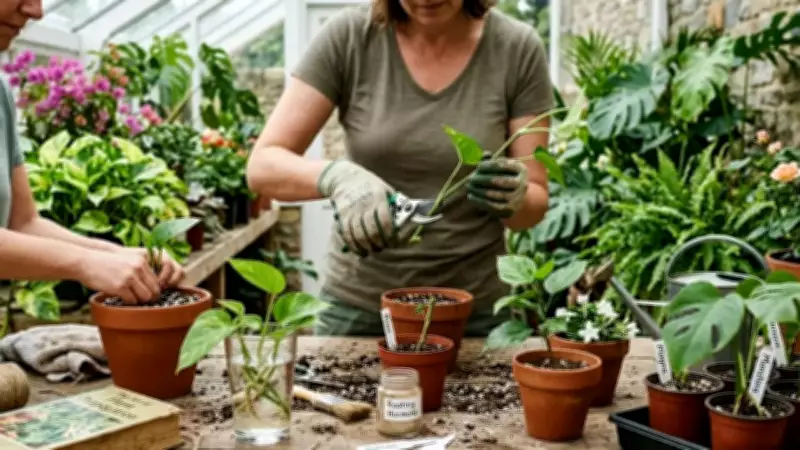
Mastering Plant Propagation Through Stem Cuttings
Among the numerous techniques available for plant propagation, using stem cuttings stands out as one of the most successful and widely practiced methods. This vegetative approach offers gardeners and plant enthusiasts an exceptionally reliable way to create new plants that are genetically identical to their parent specimens. Beyond its effectiveness, stem cutting propagation remains remarkably affordable, requiring minimal specialized equipment while delivering consistently impressive results.
The Science Behind Stem Cutting Propagation
Stem cutting propagation represents a vegetative reproduction method where a segment of stem is carefully removed from a healthy parent plant and encouraged to develop its own root system. This technique completely bypasses the uncertainty associated with seed germination, ensuring that every new plant maintains the exact genetic characteristics of its source plant. The process eliminates genetic variation, guaranteeing that desirable traits like flower color, growth habit, and disease resistance are preserved in the cloned offspring.
Before attempting propagation through stem cuttings, understanding the specific physiological requirements of your target plant species becomes absolutely essential. Temperature conditions, humidity levels, and appropriate hormone applications all play critical roles in determining propagation success, whether you're working with hardy outdoor shrubs or delicate indoor houseplants. Comprehensive knowledge of these fundamental plant needs significantly increases your chances of achieving optimal results with any propagation project.

Ideal Plants for Stem Cutting Propagation
Numerous plant varieties respond exceptionally well to stem cutting techniques. Here are some of the most popular and successful candidates for this propagation method:
- Rose & Hibiscus (Gudhal): These flowering plants thrive when propagated using the 'slanted cut' method. The ideal time for taking cuttings is immediately after the flowering period concludes, using healthy branches from the current season's growth.
- Bougainvillaea: Remarkably resilient plants that can successfully sprout even from older, brown-colored stems provided they receive consistent and adequate watering during the initial rooting phase.
- Jasmine (Mogra): Known for their rapid rooting capabilities in standard potting soil mixtures, these plants offer the additional benefit of producing their characteristic wonderful fragrance as they establish themselves.
- Money Plant (Pothos): Widely regarded as the perfect beginner's plant for propagation experiments. These versatile plants can develop roots simply by placing cuttings in a basic glass of water on a desk or windowsill.
- Snake Plant: Surprisingly resilient specimens that can develop roots even under conditions of intentional neglect and minimal watering, making them excellent choices for forgetful gardeners.
- Monstera: Many Monstera varieties naturally develop 'air roots' - distinctive brown string-like structures hanging from their stems. When a cutting includes one of these specialized roots, its growth rate can nearly double compared to cuttings without them.
Six-Step Guide to Successful Stem Cutting Propagation
Propagating plants through stem cuttings follows a proven, systematic approach that creates cloned plants without waiting for seeds to germinate. The selected stem segment already contains leaves and possesses the inherent capacity to develop a complete root system when provided with appropriate conditions.

- Select a Healthy Mother Plant: Begin by identifying a vigorous, well-nourished parent plant from which to take your cutting. Look for specimens with strong, leafy growth showing no signs of yellowing, discoloration, or leaf spots that might indicate health issues.
- Identify the Node Area: Locate the node region on your selected stem - this represents the most critical component for successful cutting propagation. The node appears as a small, slightly swollen bump at the base of leaf stalks where new roots will naturally emerge during the rooting process.
- Make a Clean 45-Degree Cut: Using sharp, sterilized pruning shears or a knife, cut a stem segment measuring between 4 and 6 inches in length. Make your cut at a precise 45-degree angle immediately below the identified node. This slanted cut creates increased surface area for enhanced nutrient and water absorption once new roots begin developing.
- Remove All Lower Leaves: Before placing your cutting into either water or soil medium, carefully remove all leaves from the lower portion of the stem segment. Leaves submerged in water or buried in soil will inevitably rot, potentially introducing pathogens that could kill the developing cutting.
- Choose Your Growing Medium: You have two primary options for rooting your cuttings. For water propagation, place the prepared stem in a clean glass container with the node fully submerged, changing the water every few days to maintain freshness. For soil propagation, create a small hole in pre-moistened, well-draining potting mix and gently insert the stem, ensuring good soil contact around the cutting.
- Exercise Patience and Proper Care: During the critical rooting phase, avoid exposing your cutting to direct sunlight, which would cause excessive drying since the plant lacks established roots for water absorption. Instead, maintain cuttings in a bright location receiving ample indirect light to support photosynthesis without causing dehydration stress.
Expert Propagation Tips for Guaranteed Success
Within approximately 10 to 20 days under optimal conditions, you should begin observing the emergence of new white roots from your cuttings. Once these delicate roots reach approximately 1 inch in length, your propagated plant has developed sufficient root structure to support transplantation into its permanent container or garden location. This milestone indicates that your propagation effort has succeeded and your cloned plant is ready to begin its independent growth journey.
Successful plant propagation through stem cuttings combines scientific understanding with practical gardening skills. By following these detailed guidelines and selecting appropriate plant varieties, both novice and experienced gardeners can expand their plant collections economically while enjoying the satisfaction of creating genetically identical offspring from their favorite specimens.
