

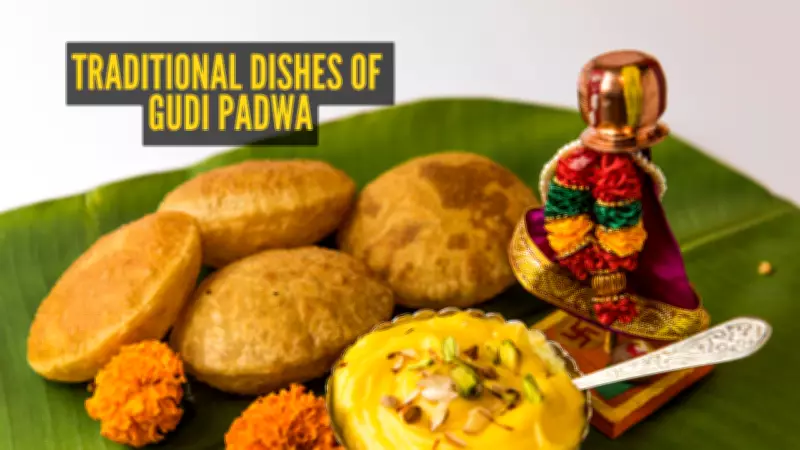
Gudi Padwa 2026: A Culinary Journey Through Marathi New Year Traditions
Gudi Padwa, celebrated on March 19, 2026, marks the auspicious beginning of the Marathi New Year. This vibrant festival, deeply rooted in Maharashtra's rich cultural heritage, is incomplete without a lavish spread of traditional delicacies that symbolize prosperity, health, and joy. Each dish prepared for this occasion carries profound significance, blending flavors that reflect the region's culinary artistry and seasonal abundance. From sweet treats to savory snacks, the feast is a cornerstone of the celebrations, bringing families together to welcome the new year with gratitude and hope.
Why These Dishes Are Consumed on Gudi Padwa
Gudi Padwa is not just a date on the calendar; it is a celebration of renewal and harvest, aligning with the spring equinox. The traditional dishes consumed on this day are carefully chosen to balance tastes and promote well-being, embodying the philosophy of starting the year on a harmonious note. They often incorporate seasonal ingredients like neem and jaggery, which are believed to purify the body and ward off ailments. This culinary tradition reinforces community bonds and passes down generations of culinary wisdom, making the festival a sensory delight that engages all aspects of Marathi culture.
10 Essential Traditional Dishes for Gudi Padwa 2026
- Neem-Jaggery Mixture: This symbolic blend of bitter neem leaves and sweet jaggery, often enhanced with tamarind and spices, is the first item consumed on Gudi Padwa. It represents the acceptance of life's ups and downs, setting a meaningful and balanced tone for the year ahead.
- Puran Poli: A beloved flatbread roasted on a griddle, made from flour dough stuffed with cooked chana dal, jaggery, and cardamom powder. Its sweet filling and soft texture make it a festive favorite, often served warm with ghee.
- Shrikhand: A creamy, indulgent dessert crafted from strained yogurt, flavored with saffron and cardamom, and sometimes mixed with fruits like mango. Garnished with nuts, it adds a rich and refreshing touch to the meal.
- Batata Bhaji: A savory pan-fried potato dish tempered with mustard seeds, curry leaves, and turmeric. This simple yet flavorful side pairs perfectly with puri or roti, offering a comforting and hearty element.
- Varan Bhaat: A classic Marathi staple consisting of dal (varan) served with steamed rice (bhaat), typically topped with a generous drizzle of ghee. It symbolizes simplicity and nourishment, forming the backbone of the feast.
- Amti: A traditional Maharashtrian dal preparation that combines lentils with tamarind, goda masala, and jaggery, creating a tangy and spicy flavor profile. Best enjoyed with rice, it adds depth and warmth to the spread.
- Kothimbir Vadi: Crispy and aromatic snacks made from besan (gram flour), fresh coriander, turmeric, chili powder, and salt. These fried delights are often served with green chutney and chai, providing a crunchy contrast.
- Basundi: A sweet, thickened milk dessert prepared with full-fat milk, sugar, saffron, cardamom, and chopped nuts. Its creamy consistency and aromatic flavors make it a decadent finale to the meal.
- Coconut Karanji: Sweet dumplings filled with grated coconut, jaggery, and cardamom, encased in a maida pastry and fried in ghee or oil. These bite-sized treats are a festive specialty, enjoyed for their crispy exterior and sweet filling.
- Sakhar Bhaat: A fragrant sweet saffron rice dish made with basmati rice, sugar, ghee, nuts, and saffron. This aromatic preparation symbolizes sweetness and prosperity, often served as a celebratory centerpiece.
The Cultural Significance of Gudi Padwa Cuisine
The dishes of Gudi Padwa are more than just food; they are a reflection of Maharashtra's agricultural cycles and spiritual beliefs. Ingredients like neem and jaggery in the opening mixture emphasize the importance of health, while sweets like Shrikhand and Basundi signify joy and abundance. Each recipe is passed down through families, preserving culinary heritage and fostering a sense of identity. As communities gather to share these meals, the festival reinforces values of togetherness, gratitude, and optimism for the new year, making it a deeply meaningful celebration beyond its culinary delights.


In 2026, as Gudi Padwa falls on March 19, these ten traditional dishes will once again grace dining tables across Maharashtra and beyond. Whether you are preparing them at home or enjoying them with loved ones, they offer a delicious way to connect with Marathi culture and usher in a year filled with hope and flavor. Embrace these timeless recipes to make your Gudi Padwa celebration truly authentic and memorable.
