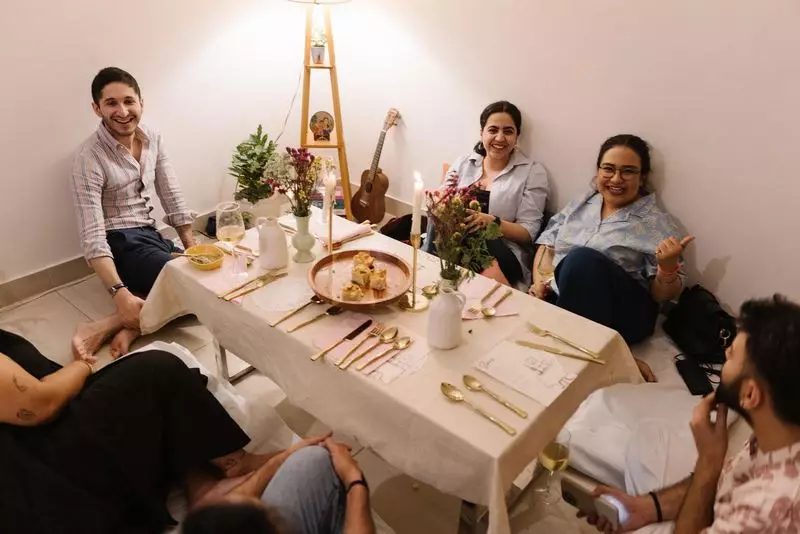
Across India's bustling metropolitan landscape, a quiet culinary revolution is simmering. It's not happening in five-star hotel kitchens or trendy, high-decibel restaurants. Instead, it's unfolding in the warmth of private homes and cozy apartments, where passionate home chefs are opening their doors to strangers, one intimate supper club at a time. This movement is redefining social dining, transforming meals into deeply personal experiences that forge unexpected connections.
The Rise of the Personal Table
The concept is elegantly simple yet profoundly impactful. A home chef, often a culinary enthusiast with a day job in another field, conceptualizes a unique menu. They then invite a small group of guests, typically between 6 to 12 people, to share this meal at their personal dining table. These are not large-scale pop-ups or commercial catering events. The emphasis is firmly on intimacy, conversation, and a shared love for food. Events like 'The Secret Supper' in Delhi and 'Plate and Palate' in Mumbai are leading examples of this trend, where the boundary between host and guest, and between strangers and friends, beautifully blurs over a thoughtfully curated meal.
This phenomenon taps into a growing desire for authentic, human-centric experiences in an increasingly digital and fragmented world. For guests, it offers an escape from the predictable restaurant script—a chance to taste homemade, often hyper-local or heritage recipes, while engaging in meaningful dialogue with both the host and fellow diners. For the chefs, it's a creative outlet and a way to share family recipes, experimental fusion dishes, or regional specialties that rarely find a place on mainstream menus, all without the colossal overhead of running a full-fledged restaurant.

More Than a Meal: Building Community
The magic of these supper clubs lies not just in the food but in the atmosphere they cultivate. The setting is inherently personal—a living room, a balcony with a view, or a bookshelf-lined dining area. This immediately lowers social barriers. Strangers arrive as guests but often leave as acquaintances, if not friends, bonded by the shared experience of a unique culinary journey. Conversations flow freely, unconstrained by the formalities of a service staff or the need to vacate a table for the next booking.
These gatherings are also becoming a vital platform for culinary storytelling. A chef might design a menu around the forgotten dishes of their grandmother's kitchen, the street food of a specific Indian town, or a seasonal ingredient. Each course becomes a conversation starter, a story shared from the host's life to the table. This narrative aspect adds a layer of depth and emotional resonance that is hard to replicate in a commercial setting. It's dining as an act of cultural exchange and personal connection.
Navigating Challenges and Looking Ahead
Operating in a grey area between social hosting and commercial activity, these home chefs navigate certain logistical and regulatory considerations. Sourcing ingredients, managing limited seating, and ensuring a smooth experience require careful planning. However, the model's informality and focus on community often help it thrive through word-of-mouth and private social media groups rather than traditional advertising.
The future of this movement appears bright and expansive. As urban Indians continue to seek genuine connections and novel experiences, the allure of the secret supper club is only set to grow. It democratizes fine dining, making it about emotion and interaction rather than just expense. Furthermore, it empowers a new wave of culinary talent—home cooks, often women, who can showcase their skills and build a following without a massive initial investment.
In essence, these intimate supper clubs are stitching the social fabric back together, one small table at a time. They remind us that breaking bread together is one of humanity's oldest and most powerful social rituals. In the heart of India's mega-cities, these home chefs are not just serving meals; they are crafting communities, preserving food heritage, and offering a delicious antidote to urban anonymity.