

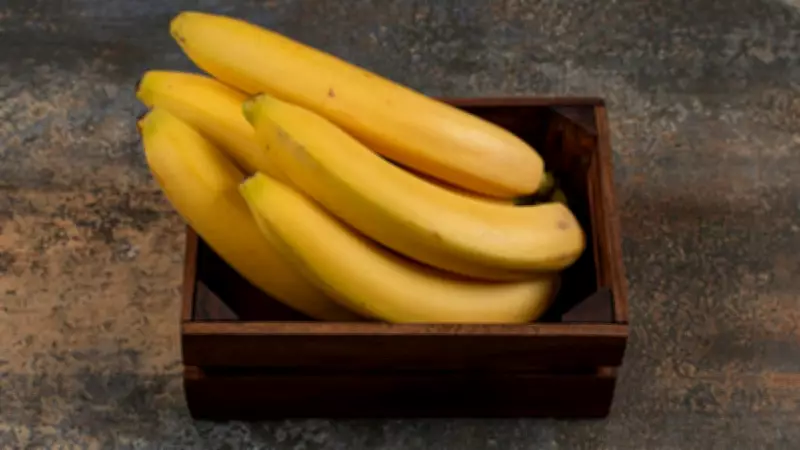
Mastering Banana Preservation: A Guide to Freshness and Color Retention
Bananas are a beloved and nutritious fruit enjoyed worldwide, but their tendency to turn black and overripen quickly can be frustrating for consumers. Understanding the science behind banana ripening and implementing proper storage methods can significantly extend their shelf life and maintain their appealing yellow color.
The Science Behind Banana Ripening and Discoloration
Bananas naturally produce ethylene gas, a plant hormone that accelerates the ripening process. This gas triggers enzymatic reactions that convert starches into sugars, soften the fruit, and eventually lead to the development of black spots and overall darkening. Exposure to oxygen further exacerbates this through oxidation, similar to how apples brown when cut. Factors such as temperature, humidity, and physical damage also play crucial roles in how quickly bananas deteriorate.
Proven Storage Techniques to Slow Down Ripening
To keep bananas fresh and delay blackening, several practical strategies can be employed. First, storing bananas at room temperature away from direct sunlight and heat sources is ideal for short-term use. For longer preservation, wrapping the stem end tightly with plastic wrap or aluminum foil can reduce ethylene gas emission, slowing the ripening of the entire bunch. Separating individual bananas from the cluster also minimizes ethylene concentration around each fruit.

Refrigeration and Freezing Methods for Extended Freshness
Contrary to popular belief, refrigerating bananas is effective once they reach the desired ripeness. The cold temperature slows down enzymatic activity, though the peel may darken due to cell damage from the chill. The fruit inside remains edible and fresh. For even longer storage, peeling and freezing bananas in airtight containers or freezer bags preserves them for smoothies or baking, preventing any further ripening or blackening.
Avoiding Common Mistakes in Banana Handling
Common errors that hasten banana spoilage include storing them near other ethylene-producing fruits like apples or avocados, which can accelerate ripening. Additionally, placing bananas in sealed plastic bags traps moisture and ethylene, promoting decay. Instead, use breathable containers or leave them in open air. Handling bananas gently to avoid bruising is also essential, as damaged areas blacken faster due to increased enzyme activity.
Innovative Tips for Optimal Banana Care
For those seeking advanced methods, hanging bananas on a hook or stand can prevent pressure points and bruising. Using commercial ethylene absorbers or placing bananas in a paper bag with an ethylene-absorbing fruit like a kiwi can further delay ripening. Regularly inspecting bananas and consuming those showing early signs of spotting ensures minimal waste and maximum freshness.
By applying these evidence-based techniques, you can enjoy fresh, yellow bananas for longer periods, reducing food waste and enhancing your culinary experience. Whether for daily snacks or recipe preparations, mastering banana storage is a simple yet impactful step toward sustainable and healthy eating habits.

