

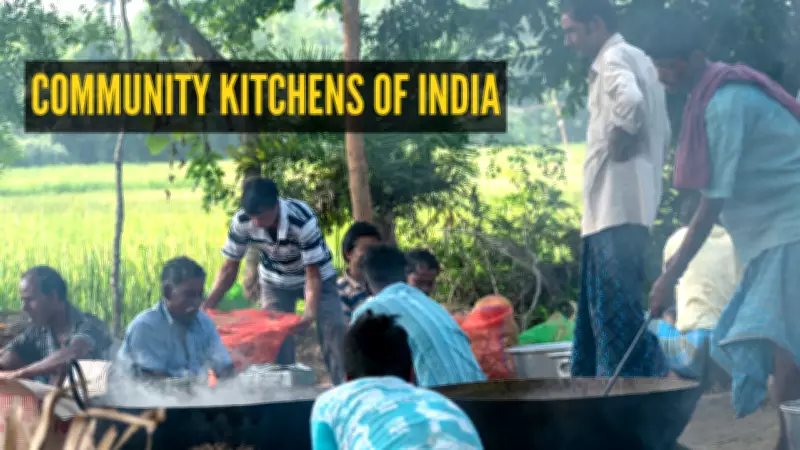
India's Largest Community Kitchens: Where Food Becomes Divine Service
In India, food transcends mere sustenance—it embodies love, community service, and divine blessings. For generations, the tradition of community kitchens has flourished, treating meals as prasad or sacred offerings to those in need. Known as langar, annadanam, or community feeding programs, these initiatives are run by temples, gurdwaras, charities, and NGOs, serving hundreds of thousands daily. Here are six of India's largest community kitchens that keep the spirit of seva (selfless service) alive.
Golden Temple Langar: The World's Largest Free Kitchen
Operated by the Shiromani Gurdwara Parbandhak Committee, the Golden Temple Langar in Amritsar is renowned as the world's largest free community kitchen. It serves an astounding 50,000 to 100,000 meals every day, featuring roti, dal, sabzi, and salad. What makes it truly remarkable is the participation of thousands of volunteers—often strangers—who prepare food, wash utensils, and serve meals, embodying the Sikh principle of equality and communal harmony.
Matrusri Tarigonda Vengamamba Annaprasadam Complex
Located at the Tirumala Venkateswara Temple hill shrine, this kitchen runs the Nitya Annadanam scheme, honoring the 18th-century saint Vengamamba's legacy of selfless service. Managed by Tirumala Tirupati Devasthanams, it feeds over 150,000 pilgrims daily with simple, nutritious sattvic food called "Prasadam." The meal typically includes rice, curry, chutney, sambar, rasam, and buttermilk, offering sustenance and spiritual nourishment.

The Akshaya Patra Foundation Mega Kitchens
According to their website, Akshaya Patra serves around 100,000 meals daily through centralized kitchens equipped with cauldrons, trolleys, rice chutes, and sanitized equipment. Their menu is tailored to local tastes, and meals are cooked by local women following strict operational modules. This initiative partners with the government's PM POSHAN mid-day meal programme to combat hunger and boost school attendance, making a significant impact on education and nutrition.
Jagannath Temple Kitchen: A Culinary Marvel
Spread across 15,000 square feet with 32 rooms and over 270 earthen ovens, the Jagannath Temple Kitchen in Puri is often called the world's largest community kitchen. It serves more than 100,000 devotees daily, employing over 600 cooks and 400 assistants to prepare the traditional 56 dishes known as Mahaprasad or Chhapan Bhog. Using firewood and clay pots, the kitchen draws water from wells named Ganga and Jamuna. Key dishes include sadha anna (rice), kanika (rice with ghee and sugar), and various pakhal preparations.
Sabarimala Temple Annadanam Hall
Managed by the Sabarimala Sree Dharma Sastha Annadhana Trust, this massive setup offers food to over 200,000 pilgrims daily. It provides a traditional vegetarian six-course meal, featuring items like Kanji (rice gruel) and Palpayasam, among other delicacies. This kitchen ensures that devotees receive nourishing meals during their spiritual journeys, reinforcing the temple's commitment to hospitality and care.
Om Namah Shivaya Seva Group Community Kitchen
Also known as Lal Mahendra Shiv Shakti Seva Samiti, this kitchen offers free food at major religious gatherings like the Magh Mela in Prayagraj. According to a Times of India report, they have been serving devotees round-the-clock since November 2025, with over 3 crore plates served. Their continuous service highlights the enduring spirit of community support and devotion during large-scale events.
These six community kitchens exemplify how food in India is more than just a meal—it's a gesture of compassion, a tool for social equality, and a reflection of cultural heritage. By serving millions daily, they not only address hunger but also foster unity and spiritual connection, proving that the simplest acts of kindness can have the profoundest impacts.

