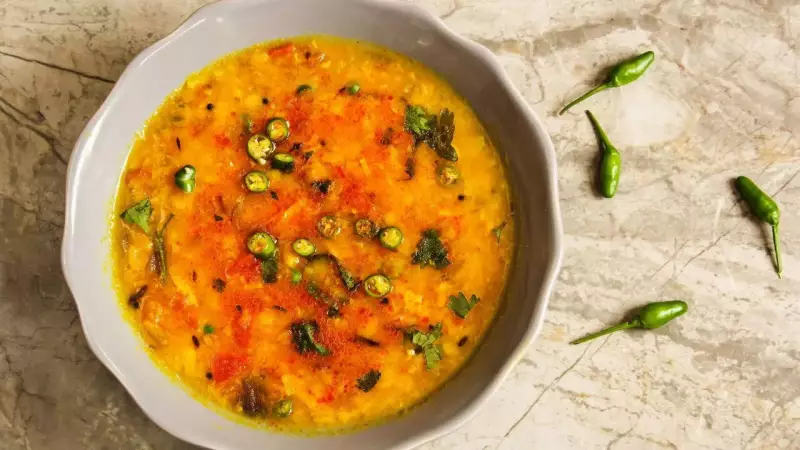
India's vast culinary landscape is filled with generations-old secrets, many designed with health and wellness at their core. Among these fascinating traditions is the practice of adding a small metal fish to simmering pots of dal, curry, and stew. This unique tool is believed to naturally fortify meals with essential iron, offering a simple yet profound solution to dietary deficiencies.
The Philosophy Behind the Metallic Fish
This tradition stems from the ancient Indian belief that cooking in iron utensils, like kadhai, helps release beneficial iron into food. The metal fish is a direct extension of this philosophy. Typically crafted from food-grade stainless steel or brass, the fish is placed into boiling dishes. As it simmers alongside acidic ingredients such as tomatoes or tamarind, a subtle interaction occurs. This process, passed down through families, leverages the metal's mild reactivity to impart a slight tang and enhance the overall depth of flavor, often mimicking the umami quality found in seafood.
Health Benefits and Culinary Science
The primary and most celebrated benefit of this practice is the mineral boost it provides. During 20 to 30 minutes of boiling in an acidic medium, the stainless steel fish leaches trace amounts of bioavailable iron and zinc into the food. This offers a natural, supplement-free way to address iron deficiency, which is a common concern in many populations.

Beyond nutrition, the metal fish plays several clever roles in the cooking process:
- Flavor Catalyst: It amplifies savory notes in vegetarian dals, preventing blandness and helping create a richer aroma similar to meat-based gravies.
- Natural Heat Regulator: When submerged early, the cool metal absorbs excess heat, promoting even cooking and preventing lentils or vegetables from turning mushy.
- pH Balancer: In tangy, tamarind-heavy curries, it helps neutralize excessive acidity. This stabilizes additions like coconut milk or yogurt, resulting in a smoother, silkier gravy.
Safety, Tradition, and Modern Use
Made from safe, food-grade metals, this tool poses no toxicity risk. The brass variety, in particular, carries an Ayurvedic significance, with many believing it helps purify food. Elders often swear by its digestive benefits. Modern users maintain the fish by simply rinsing it after use to prevent residue buildup.
When used correctly—simmered in boiling liquids like soups or curries for about 10 minutes with a bit of lemon juice or tomato—the fish releases a gentle, consistent amount of iron. It doesn't alter the taste, aroma, or texture of the dish, making it a seamless addition to daily cooking for the whole family, including those on plant-based or gluten-free diets.
This humble metal fish stands as a testament to India's mindful culinary heritage, where everyday cooking seamlessly blends tradition with practical health science.