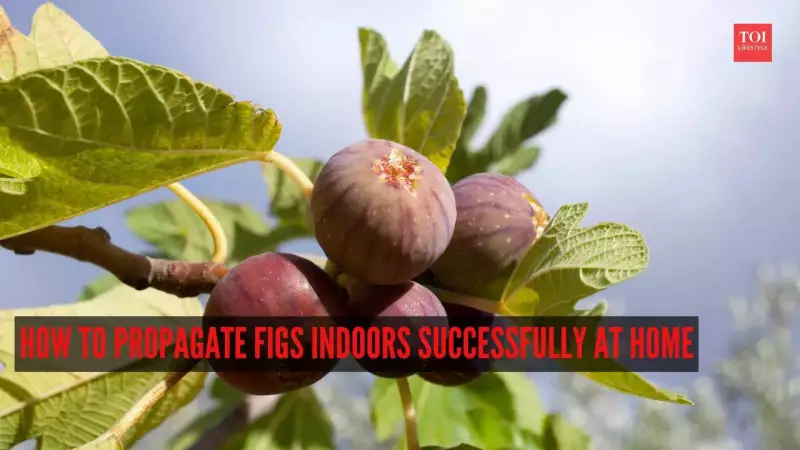
Complete Guide to Propagating Fig Trees Indoors at Home Successfully
Growing your own fig trees indoors through propagation is an immensely rewarding endeavor for home gardeners. Ficus carica, commonly known as the fig tree, can be easily propagated using stem cuttings, offering a practical alternative to growing from seeds. This method not only ensures genetic consistency but also accelerates the establishment of healthy, fruit-bearing plants. With the right approach, even beginners can cultivate thriving fig trees in containers within their homes.
Selecting the Perfect Parent Wood
The foundation of successful propagation lies in choosing the right cutting material. Identify a robust, disease-free branch from a mature fig tree. Optimal cuttings measure between 6 to 12 inches in length and feature multiple buds. These characteristics significantly enhance the potential for robust root development and vigorous new growth. Selecting healthy parent wood is crucial, as it directly influences the cutting's ability to transform into a strong, productive plant.
Taking Clean and Precise Cuttings
Using sharp, sterilized pruning shears, make a clean cut just below a leaf node at a 45-degree angle. This angled incision increases the surface area available for root formation, promoting better absorption of nutrients and moisture. Carefully remove excess leaves from the lower half of the cutting, retaining only a few leaves at the top. This step minimizes water loss through transpiration, allowing the cutting to conserve energy for root development.

Preparing the Ideal Rooting Medium
A well-draining potting mix is essential to prevent waterlogging and root rot. Create a balanced medium by combining peat, perlite, and sand. Before planting, moisten the mixture slightly to achieve a damp consistency—avoid making it overly wet. Proper moisture levels are critical for encouraging root growth while preventing fungal issues that can compromise the cutting's health.
Planting the Cutting Correctly
Use a pencil or similar tool to create a hole in the prepared potting mix. Insert the cutting, ensuring at least one or two buds are positioned below the soil surface. Gently pack the soil around the stem to provide stability and support. Always use a pot with adequate drainage holes to facilitate excess water escape, safeguarding against root suffocation and decay.
Creating a Humid Microenvironment
Enclose the cutting with a clear plastic bag, dome, or miniature greenhouse cover to maintain high humidity. This environment reduces leaf water loss, enabling the cutting to focus its resources on root establishment. Place the setup in a location with bright, indirect light, avoiding direct sunlight which can cause overheating and dehydration.
Managing Watering and Temperature
Maintain the soil in a slightly moist state, balancing between excessive wetness and dryness. Overwatering can drown the cutting, while underwatering may lead to desiccation. Position the cutting in a warm indoor spot with temperatures ranging from 20 to 25°C, coupled with bright, indirect light. These conditions are optimal for stimulating consistent root development.
Checking Root Growth and Acclimatization
After 4 to 8 weeks, gently test the cutting for root formation by applying slight tension. Resistance indicates successful root development. Once roots and new leaves appear, gradually remove the humidity cover to acclimate the plant to normal indoor conditions. As the plant matures, transplant it into a larger pot to accommodate its growing root system.
Providing Ongoing Care Post-Rooting
Continue to place the young fig plant in bright, indirect light, watering only when the topsoil feels dry. As the plant strengthens, transition it to a spot with full sunlight to encourage vigorous growth. Apply a light fertilizer during the growing season to support healthy leaf development and prepare the plant for future fruiting. Regular monitoring and adjustments will ensure long-term vitality.

Propagating fig plants indoors is a fulfilling activity that combines patience with practical gardening skills. By adhering to these detailed steps—focusing on healthy cuttings, controlled humidity, adequate moisture, and proper timing—home gardeners can successfully cultivate new fig trees. This process not only enhances indoor greenery but also promises the joy of harvesting home-grown figs in the future.