

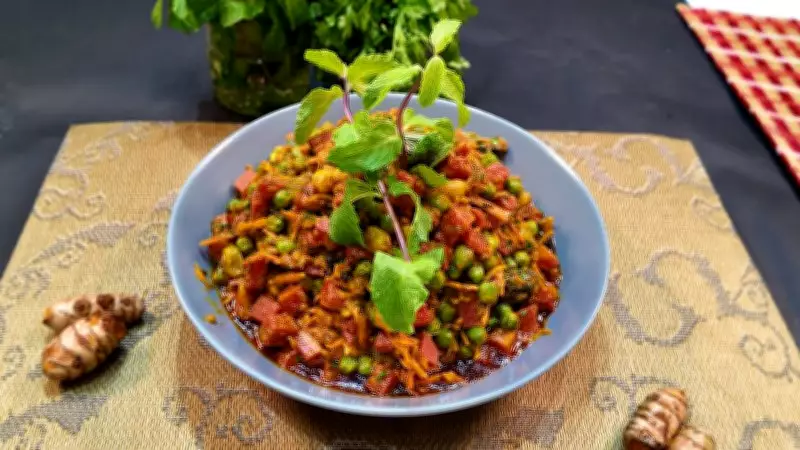
Kachchi Haldi Ki Sabzi: A Culinary Tribute to Winter's End
As the crisp chill of winter gradually recedes, making way for the gentle warmth of spring, North Indian kitchens often turn to a vibrant and symbolic dish known as Kachchi Haldi Ki Sabzi. This traditional curry, celebrated for its striking yellow hue and earthy flavors, serves as a culinary farewell to the colder months. Rooted deeply in regional culinary practices, it not only delights the palate but also embodies the seasonal transition with its use of fresh, raw turmeric.
The Essence of Kachchi Haldi Ki Sabzi
Kachchi Haldi Ki Sabzi translates to "raw turmeric curry," highlighting its key ingredient: fresh turmeric rhizomes, which are distinct from the dried, powdered form commonly used in cooking. The dish is a staple in many households across states like Punjab, Haryana, and Uttar Pradesh, particularly during the late winter and early spring. Its preparation involves slicing or grating the raw turmeric, which is then sautéed with spices such as cumin, coriander, and red chili powder, often enhanced with tomatoes, onions, and a touch of yogurt or cream for richness.
The result is a hearty, aromatic curry that pairs excellently with flatbreads like roti or paratha, offering a comforting and nutritious meal. The vibrant yellow color, derived naturally from the turmeric, makes it visually appealing, symbolizing the brightness and renewal associated with the changing seasons.

Health Benefits and Cultural Significance
Beyond its culinary appeal, Kachchi Haldi Ki Sabzi is revered for its numerous health benefits, thanks to the potent properties of raw turmeric. Turmeric contains curcumin, a compound known for its anti-inflammatory and antioxidant effects, which can help boost immunity, aid digestion, and promote overall wellness—making it an ideal dish for the tail end of winter when the body may need extra support.
In cultural contexts, this dish is more than just food; it represents a connection to agrarian rhythms and traditional wisdom. Turmeric has long been valued in Ayurveda and Indian folk medicine for its healing qualities, and incorporating it into a seasonal dish reflects a holistic approach to health. Families often prepare Kachchi Haldi Ki Sabzi as a way to utilize the last of the winter harvest, celebrating the bounty of the land before the onset of warmer weather.
Why It's a Winter Farewell Favorite
The timing of Kachchi Haldi Ki Sabzi is no coincidence. As winter wanes, the availability of fresh turmeric peaks, making it the perfect ingredient for a seasonal specialty. Its warming spices and hearty texture provide comfort against the lingering cold, while its bright flavor hints at the freshness of spring. This dish encapsulates the essence of seasonal eating, encouraging people to savor local, in-season produce for both taste and nutrition.
Moreover, in an era where fast food and processed meals are prevalent, Kachchi Haldi Ki Sabzi stands out as a testament to slow, mindful cooking. It requires patience and care, from cleaning and preparing the turmeric to simmering the curry to perfection. This process not only enhances the dish's flavor but also fosters a deeper appreciation for traditional culinary arts.
In summary, Kachchi Haldi Ki Sabzi is a golden-hued delight that bids adieu to winter with grace and gusto. Its blend of health benefits, cultural roots, and delicious taste makes it a cherished part of North Indian cuisine, reminding us of the simple joys found in seasonal, home-cooked meals.

