

Major Food Safety Crackdown in Kanpur Ahead of Festive Season
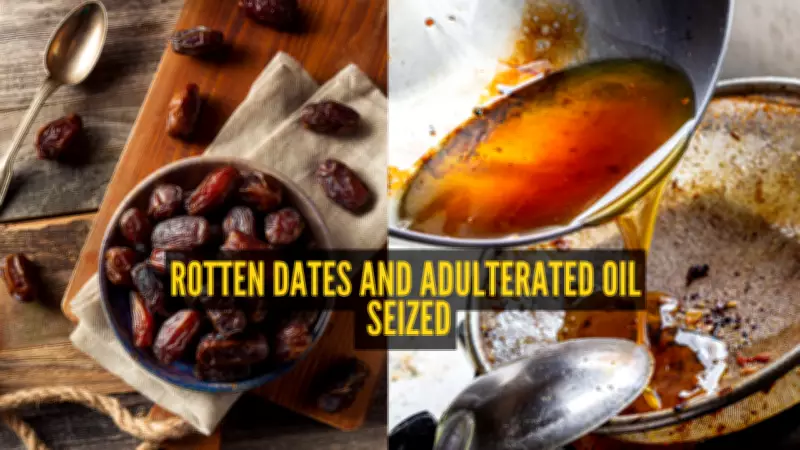
In a significant operation targeting food adulteration, authorities in Kanpur have confiscated massive quantities of compromised food items, including 10,000 kilograms of rotten dates and 13,972 liters of adulterated oil. This crackdown comes during the ongoing Ramadan month and ahead of the Holi festival, when demand for sweets and dried fruits typically surges, creating opportunities for illegal practices.
Extensive Seizures from Raids Across the City
The Food Safety and Drug Administration (FSDA) in Kanpur launched an intensive anti-adulteration drive, as announced on social media platform X on February 21. During these coordinated raids, officials uncovered and seized not only the rotten dates and adulterated oil but also 1,350 kilograms of colored waste and goods valued at approximately Rs 5.45 lakh from a counterfeit ghee manufacturing unit located in the Kalyanpur area. All confiscated products have been dispatched to laboratories for detailed analysis to determine the exact nature and extent of contamination.
This operation highlights the persistent issue of food adulteration in India, particularly during festive periods when consumption of specific items peaks. The seized rotten dates pose serious health risks, including potential food poisoning and digestive disorders, while adulterated oils can contain harmful substances that may lead to long-term health complications.

FSSAI Empowers Consumers with Home Testing Methods
In response to such incidents, the Food Safety and Standards Authority of India (FSSAI) has released guidelines for rapid tests that consumers can perform at home to detect common food adulterants. These methods are designed to be simple, accessible, and effective, aiming to raise awareness about food safety among households across the country.
Here are some key tests recommended by FSSAI for checking the purity of oils and fats:
- Detection of Other Oils in Coconut Oil: Place coconut oil in a transparent glass and refrigerate it for 30 minutes. Pure coconut oil will solidify uniformly, while adulterated oil may show separate layers indicating the presence of other oils.
- Detection of TOCP (Tri-Ortho-Cresyl-Phosphate) in Oils and Fats: Take 2 ml of the sample oil and add a small amount of yellow butter (solid). If a red color forms immediately, it suggests the presence of TOCP, a toxic substance.
- Proper Winterization Test for Refined Salad Oils: Fill a bottle with 100 ml of sample oil, cork it tightly, and seal with paraffin. Submerge the bottle in a bucket of finely cracked ice and water, ensuring it is completely covered. Keep the bucket filled with ice for 5.5 hours, then examine the oil. Properly winterized oil will appear brilliant, clear, and limpid.
These tests empower consumers to take proactive steps in ensuring the quality of their food, complementing regulatory efforts like the Kanpur raids. The FSSAI manual serves as a crucial tool in combating food fraud, especially in a market where adulteration remains a challenge.
The recent seizures in Kanpur underscore the importance of vigilance from both authorities and the public. As festivals approach, such measures are vital to protect consumer health and maintain trust in the food supply chain. The ongoing laboratory analyses will provide further insights into the scale of adulteration, potentially leading to stricter enforcement and penalties for violators.

