Kasuri Methi: The Secret Finishing Touch That Transforms North Indian Curries
In countless North Indian kitchens, the most crucial flavor doesn't arrive at the beginning of the cooking process. It makes its entrance at the very end, delivered between the palms of the cook with a gentle crackle and an immediate burst of captivating aroma.
The Art of the Final Sprinkle
Dried fenugreek leaves, universally known as kasuri methi, are rarely measured with precise spoons. They are crushed by instinct, sprinkled like precious perfume, and stirred in just moments before the flame is turned off. The transformation is instantaneous: a curry deepens in complexity, butter chicken becomes unmistakably authentic, and even a simple dal takes on a restaurant-style finish that elevates the entire dish.
Kasuri methi doesn't announce itself with flashy colors or overwhelming heat. Unlike turmeric that stains dishes yellow or chillies that deliver fiery punches, its power lies in subtle suggestion. It offers a bitter-sweet, grassy fragrance with delicate hints of maple and smoke that hovers gracefully rather than shouts for attention.

From Winter Fields to Pantry Staple
To truly appreciate why this humble leaf has become indispensable to North Indian gravies, one must trace its journey from agricultural fields to kitchen spice tins. Kasuri methi begins as fresh fenugreek leaves, grown extensively across northern India during the cooler winter months. These tender greens are often used fresh in sabzis and parathas, but a significant portion of the harvest is carefully set aside for drying.
Spread thinly under the sun or dehydrated with precision, the leaves gradually curl, darken, and concentrate their essential oils. What remains is lighter in weight but far more intense in personality—a transformation that captures the very essence of the plant.
The name "kasuri" is believed to originate from Kasur, a historic town in present-day Pakistan that was once renowned for producing exceptionally aromatic dried fenugreek. Over generations, the term evolved into shorthand for quality rather than mere geography, signaling that the leaves had been dried perfectly and would crumble effortlessly between the fingers.
The Aroma That Signals Completion
What truly distinguishes kasuri methi is its strategic placement in the cooking timeline. While whole spices bloom in hot oil at the beginning and powdered masalas simmer for extended periods, kasuri methi is added after everything else is essentially complete. Heat releases its volatile oils rapidly, but excessive cooking dulls their brilliance. This explains why experienced cooks crush the leaves only seconds before incorporating them, allowing the botanical material to breathe and bloom fully.
The effect is subtle yet transformative. Rich tomato-based gravies gain a balancing bitterness that reins in excessive sweetness. Creamy sauces feel lighter and more complex. Earthy lentils suddenly smell fuller, rounder, and perfectly finished. In professional restaurant kitchens, that final sprinkle often represents the defining difference between a home-style curry and something that tastes unmistakably expert-crafted.
Signature Dishes That Depend on It
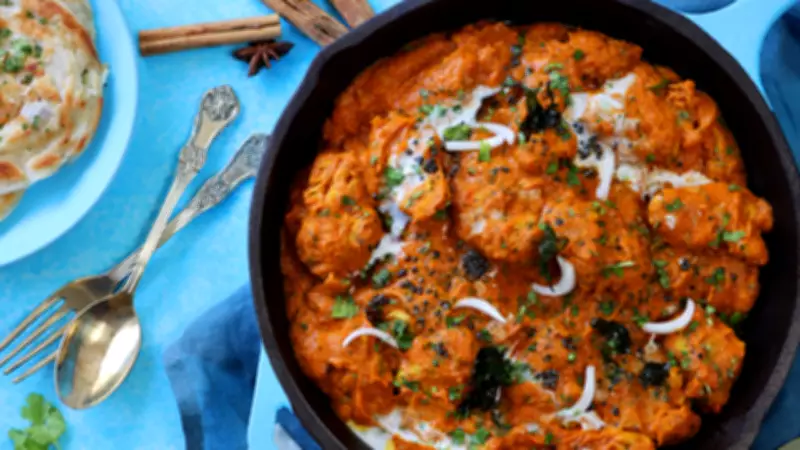
Ask any chef what would happen if kasuri methi disappeared from their pantry, and they will immediately name iconic dishes: butter chicken, chicken tikka masala, paneer makhani, and dal makhani. These culinary classics rely on the leaf's slightly bitter edge to cut through butter and cream, preventing richness from tipping into heaviness.
The leaf also appears in lesser-celebrated but equally comforting preparations:
- Aloo matar
- Matar paneer
- Rajma gravies
- Some regional variations of karhi
In vegetarian cooking especially, kasuri methi supplies remarkable depth without requiring meat stocks or heavy spicing—a botanical shortcut to satisfying savoriness.
Mastering the Measure: How Much Is Too Much?
Kasuri methi stands as a classic example of a spice that rewards restraint. A single teaspoon, properly crushed, often suffices for an entire pot of curry. Exceeding this amount can allow bitterness to dominate, transforming fragrant enhancement into medicinal overtone.

High-quality leaves should exhibit a greenish hue rather than brown, feel dry but not dusty, and release intense aroma when rubbed between fingers. Storing them in airtight containers away from light preserves their precious oils. Over months, even the finest kasuri methi will gradually fade, which explains why many discerning cooks replace it regularly rather than letting a single box linger indefinitely in the cupboard.
Beyond Gravies: A Versatile Culinary Multitasker
Though most famous as a finishing touch for curries, kasuri methi quietly sneaks into other corners of North Indian cooking:
- Kneaded into dough for rotis and naan
- Folded into butter for brushing flatbreads
- Stirred into yoghurt marinades for tandoori dishes
- Sprinkled over roasted vegetables
- Added as a pinch to scrambled eggs for a whisper of luxurious bitterness
In contemporary kitchens, innovative chefs have begun experimenting even more broadly, dusting it over popcorn, blending it into compound butters, or pairing it with cheese sauces to introduce an unexpected herbal note.
A Leaf That Carries Memory and Emotion
The enduring power of kasuri methi extends beyond mere flavor to what it signals emotionally. Its distinctive aroma often serves as the first clue that dinner is nearly ready, drifting from kitchens just before lids return to pots. For many Indians, that particular smell becomes inseparable from celebrations, winter evenings, or the comfort of food prepared by someone who knows exactly when to stop stirring.
Kasuri methi reminds us that exceptional cooking isn't always about lengthy ingredient lists or elaborate techniques. Sometimes, it's about one last gesture—quiet, practiced, and precise—that pulls everything together harmoniously.
In the grand theatre of Indian spices, dried fenugreek leaves play a modest yet crucial role. Without them, numerous beloved North Indian gravies would feel strangely incomplete, missing that final note that makes a dish linger in memory long after plates have been cleared.