

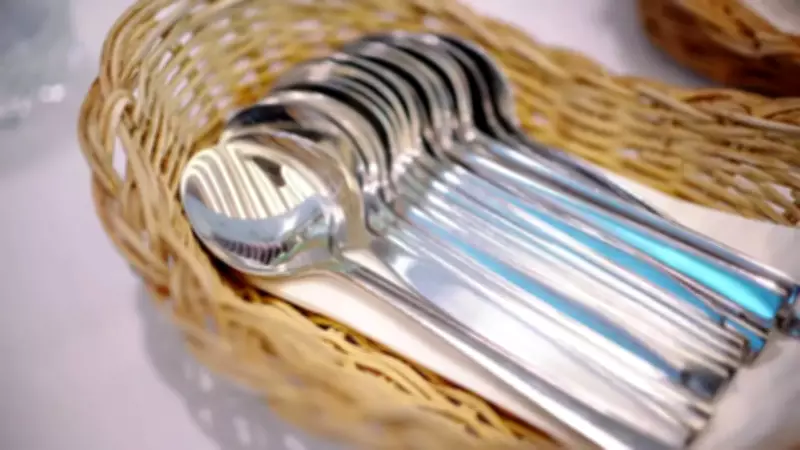
Have you ever noticed the variety of spoons in your kitchen and wondered why they all look different? From the small spoon for stirring tea to the large one for serving dishes, each spoon is designed with a specific purpose in mind. The size, depth, and shape are carefully crafted to suit different needs. Here is a guide to understanding the right spoon for the right task.
Teaspoon
The teaspoon is the most common spoon found in every household. It is small, shallow, and precise, designed primarily for stirring tea or coffee and measuring small amounts of ingredients like sugar or spices. Its compact bowl prevents over-scooping and fits easily into cups and mugs.
Tablespoon
The tablespoon is slightly larger than a teaspoon and serves both as an eating utensil and a measuring tool. It features a deeper and wider bowl, allowing it to hold more food or liquid. This spoon is ideal for eating dishes like dal, rice, and sabzi. Its size also makes it suitable for serving small portions, bridging the gap between individual use and shared dishes.

Soup Spoon
As the name suggests, the soup spoon is used for serving soups. Unlike the oval shapes of teaspoons and tablespoons, the soup spoon has a rounder and deeper bowl. This design is perfect for holding liquids such as soups, broths, or stews, and helps prevent spills while making it easier to sip directly from the spoon.
Dessert Spoon
The dessert spoon falls between a teaspoon and a tablespoon in size. It is slightly more oval and deeper than a teaspoon, making it ideal for soft foods like pudding, custard, or ice cream. The size and shape are also designed from a health perspective, ensuring that one does not indulge too much in a single serving.
Serving Spoon
The serving spoon is meant for transferring food from a serving dish to an individual plate. It has a wide, deep bowl that can carry substantial portions, and a longer handle that keeps hands away from the food, maintaining hygiene and convenience. This spoon is essential for family meals and gatherings.
Next time you reach for a spoon, consider its design and purpose. Using the right spoon not only enhances your dining experience but also reflects the thoughtful engineering behind everyday kitchen tools.






