

LPG Crisis Forces Offices and Schools to Promote Home-Packed Lunches
The ongoing LPG crisis in India has now extended its impact beyond households, severely affecting corporate offices and educational institutions. With a critical shortage of commercial LPG cylinders, school and office canteens are struggling to operate, leading to a significant shift towards home-packed meals.
According to recent reports, corporate houses are actively encouraging employees to bring lunch from home to mitigate the disruption caused by the scarcity of cooking gas. Similarly, schools in regions like Gurgaon have formally requested parents to send food with their children, citing the acute unavailability of commercial cylinders. This development underscores the deepening reach of the LPG supply issue into daily routines and institutional operations.
11 Easy, Low-Gas or No-Cook Dishes for Lunch Boxes
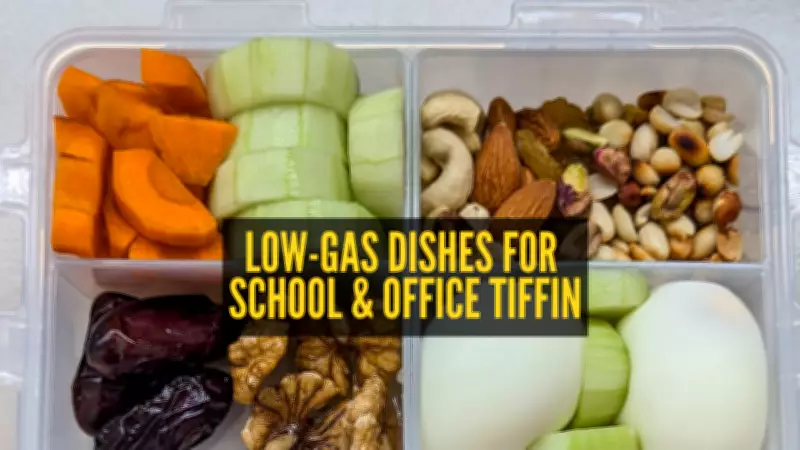
In response to this crisis, here is a curated list of 11 simple, nutritious, and gas-efficient recipes ideal for packing in office and school tiffins. These dishes require minimal to no cooking, making them perfect for the current situation.


- Sattu Sharbat and Cucumber Paneer Salad
Preparation: Mix sattu flour with water, salt, pepper, lemon juice, chaat masala, and fresh coriander leaves. Shake well to prepare the refreshing drink. For the salad, combine paneer cubes with salt, pepper, lemon juice, roasted peanuts, chopped onions, and tomatoes. Toss gently and pack alongside the sharbat. - Curd Rice
Preparation: Blend leftover rice with fresh curd. Add a tempering of oil, mustard seeds, and curry leaves, along with roasted peanuts and pomegranate seeds. Season with salt and pepper for a quick, satisfying meal. - Sprouts Chaat and Chaach
Preparation: Mix steamed sprout mix with diced onions, tomatoes, raisins, salt, pepper, lemon juice, and coriander leaves. Serve with buttermilk (chaach) seasoned with salt, pepper, and cumin powder for a protein-rich option. - Peanut Chaat and Nimbu Sharbat
Preparation: Combine roasted peanuts with chopped onions, tomatoes, salt, pepper, coriander leaves, and lemon juice. Pair with nimbu sharbat made by mixing lemon juice, iced water, and sugar or khand, stirred until dissolved. - Vegetable Sandwich
Preparation: Layer bread slices with mayonnaise, tomato ketchup, sliced onions, cucumbers, and tomatoes. Pack cold or toast using an electric toaster if available. Serve with chutney on the side for added flavor. - Overnight Oats
Preparation: Soak oats in curd overnight in a mason jar. In the morning, layer with protein powder, seasonal fruits, seeds, and nuts for a convenient, one-jar meal ready to eat. - Apple Peanut Butter Sandwich and Orange Juice
Preparation: Spread peanut butter on bread slices and top with thin apple slices. Optionally, sprinkle cinnamon powder for extra taste. Complement with freshly squeezed orange juice, a favorite among children for school tiffins. - Banana Shake and Roasted Nuts
Preparation: Blend banana, dates, milk, and soaked almonds until smooth. Pack the shake with a side of microwaved nuts like almonds, walnuts, and cashews, seasoned with salt and pepper. - Khichdi and Curd
Preparation: Pressure cook rice, moong dal, tomatoes, cauliflower, and carrots with salt, turmeric, and water. Once done, add a tempering of cumin seeds and ghee. Serve with curd for a wholesome, one-pot meal. - Hung Curd Dip and Vegetable Sticks
Preparation: Mix hung curd with salt, pepper, oregano, chilli flakes, spring onions, and coriander leaves. Enjoy as a dip with sliced carrots, zucchini, bell peppers, and other fresh vegetables. - Sooji Idli and Coconut Chutney
Preparation: Combine sooji (semolina) with curd and salt, then add a tempering of oil, mustard seeds, and curry leaves. Pour the batter into idli moulds and steam for 10-12 minutes. Serve with coconut chutney made by blending freshly grated coconut, garlic, ginger, green chilli, salt, and curd.
These recipes not only address the immediate challenges posed by the LPG shortage but also promote healthier, homemade eating habits. As institutions adapt to this crisis, such low-gas and no-cook options provide practical solutions for maintaining nutrition and convenience in daily meals.
