The Quiet Magic of Mahua Season
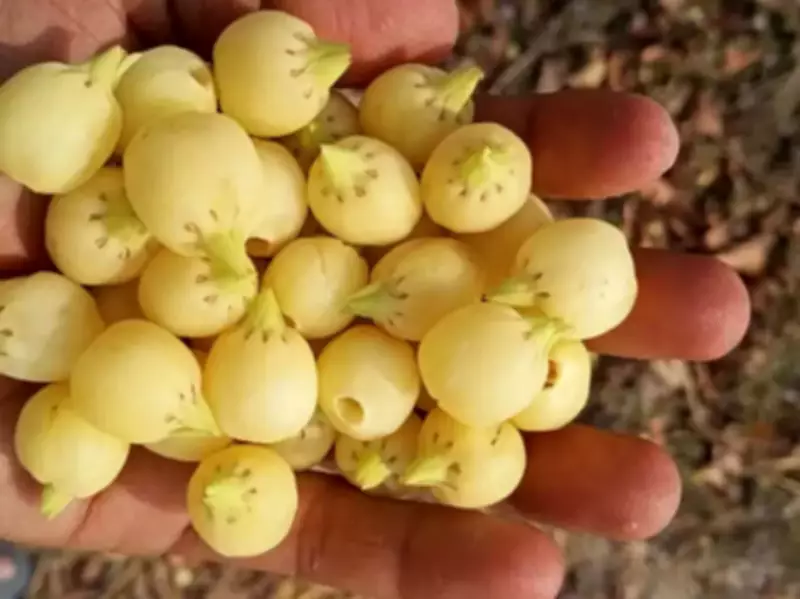
As winter retreats from the dry forests of central and eastern India, a subtle transformation begins. Nights grow gently warmer, and beneath the towering mahua trees, the forest floor becomes speckled with delicate pale yellow blossoms. At dawn, women and children walk barefoot between ancient trunks, wicker baskets balanced on their arms, gathering flowers that fell silently during the night. The air carries the faint scent of honey mingled with sun-warmed earth—a fragrance announcing mahua season, a brief but deeply anticipated time of abundance.
A Tree That Defies Time and Borders
The mahua tree (Madhuca longifolia) stands as a slow-growing giant, living for decades and sometimes centuries. Long before modern state boundaries and market economies emerged, this tree anchored forest ecosystems and local livelihoods. Nearly every part of the mahua tree serves a purpose: seeds produce rich oil for cooking and lamps, bark and leaves feature in traditional medicine, and the wood is valued for construction. Yet each spring, it is the flower that commands attention.
Mahua blossoms fall naturally overnight, creating a fragrant carpet by morning. Harvesting requires no cutting or climbing—just patient gathering before ants and moisture diminish their sweetness. Families sun-dry the flowers in courtyards and forest clearings, where they shrivel into amber-colored nuggets, their sugars concentrating as they preserve for months. To outside observers, this ritual might appear quaint, but for forest-dependent communities, it represents nature's annual promise of provision when treated with respect.

Wild Sweetness and Culinary Versatility
Fresh mahua flowers offer a taste unlike any cultivated fruit—soft, slightly sticky, with a heady sweetness reminiscent of caramel and a subtle floral bitterness. When dried, they become richer, almost date-like in flavor. For generations before packaged sugar reached rural areas, mahua served as one of the subcontinent's most reliable natural sweeteners.
In forest kitchens, these blossoms integrate seamlessly into daily cooking. They are boiled into syrups and jaggery-like concentrates, simmered with millets for nourishing porridges, or folded into dough for rustic flatbreads. In Chhattisgarh, dried flowers cook with rice to create comforting dishes during lean months, while in Odisha and Jharkhand, they appear in traditional halwas, steamed cakes, and festive sweets. Perhaps most notably, mahua flowers ferment into a potent, aromatic liquor—a ceremonial drink deeply embedded in tribal traditions, marking weddings, funerals, and agricultural festivals. This brewing knowledge passes through families with the solemnity of recipes and prayers.
Economic Lifeline and Emerging Challenges
Mahua gathering sustains more than culinary traditions—it provides crucial economic support. During flowering season, families earn cash by selling dried blossoms to local traders, bridging gaps in communities with limited farmland or unpredictable rainfall. This forest income often covers school fees, grain purchases, and medical expenses.
Yet this relationship faces growing fragility. Climate shifts alter flowering patterns, while forest access laws and commercial exploitation complicate traditional harvesting rights. In some regions, middlemen control prices, reducing returns for collectors who perform the labor-intensive work. Simultaneously, urban chefs and food entrepreneurs "discover" mahua, reimagining it in craft syrups, desserts, and cocktails. This renewed interest brings both hope and concern: better markets could uplift forest communities, but only if benefits reach them rather than accumulating with distant boutique brands.
Cultural Roots and Ecological Wisdom
Mahua's significance extends beyond sustenance and commerce. The tree features prominently in songs, origin myths, and village boundaries, with certain groves protected as sacred spaces. During festivals, flowers are offered to deities and ancestors, while cutting a mature mahua without cause invites social sanction.

These practices represent more than romantic folklore—they embody ecological strategies woven into cultural fabric. Protecting the tree ensures it feeds generations; overharvesting or neglect disrupts the forest's delicate rhythm. In an era where sustainability often becomes a buzzword, mahua offers a quieter lesson: a food system built on patience, waiting for blossoms to fall, drying them under open skies, cooking seasonally, and leaving enough for birds and insects. This system requires no plastic packaging or long-distance cold chains—just reciprocity with nature.
Why This Blossom Still Matters
To taste mahua for the first time—whether in smoky liquor, syrup drizzled over millet pancakes, or sticky halwa—is to experience sweetness shaped by soil, drought, and forest shade. It carries the imprint of landscapes many urban Indians rarely see and communities whose knowledge of edible ecosystems remains profound.
As conversations about Indigenous foods, climate resilience, and forgotten ingredients gain momentum, mahua stands ready to be more than a curiosity. It reminds us that culinary sophistication doesn't always arrive on porcelain plates—sometimes it falls softly to the forest floor at midnight, waiting to be gathered at dawn. Under spreading branches, amid birdsong and slowly filling baskets, mahua continues its centuries-old role: sweetening meals, connecting communities to their land, and marking seasonal turns with quiet, enduring abundance.