

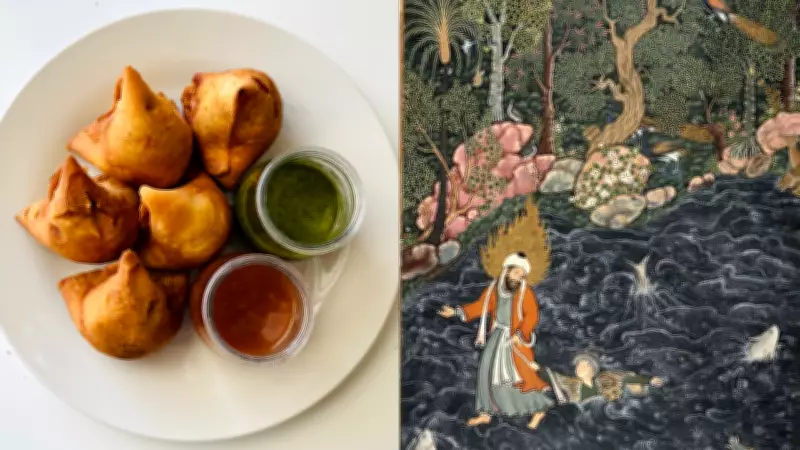
The Mughal Samosa: A Royal Delicacy That Never Had Potatoes
The humble samosa is undoubtedly one of the most widely relished Indian snacks, enjoyed globally for its spicy potato filling. However, a fascinating historical twist reveals that the traditional aloo stuffing might not be an authentic component of this iconic recipe. Surprisingly, the samosa boasts a long history predating the potato's arrival in the Indian subcontinent.
A Pre-Potato Culinary Journey
During the Mughal period, particularly under Emperor Akbar, a new samosa recipe emerged that was entirely devoid of potatoes. The introduction of potatoes into Indian cuisine occurred only after the Portuguese brought them to India towards the end of the 16th century. This timeline makes it evident that earlier variants of the samosa could not have contained potatoes, as confirmed by historical accounts from the Mughal courts.
The document Ain-i-Akbari mentions a dish similar to the samosa, describing "samosas stuffed with minced meat, dried fruit, and spices" served to the royal family. This stands in stark contrast to the contemporary vegetarian variant with potatoes, proving that the original samosa was a much richer, non-vegetarian delicacy.

How Aloo Became the Star Ingredient
The transformation in the samosa recipe unfolded after potatoes became integrated into Indian cuisine. Potatoes were readily available, affordable, and easy to prepare, making them a perfect substitute for the earlier meat-based recipes. Food historians emphasize that culinary evolution often stems from ingredient availability.
As home cooks experimented, meats in the recipe were gradually replaced with spices mixed with potatoes, peas, and lentils. This shift not only adapted the samosa to changing tastes but also made it more acceptable, particularly among vegetarians. To a large extent, the modern-day samosa can be viewed as a product of cultural interaction and adaptation.
What This 500-Year-Old Recipe Reveals About Culture and History
Exploring the history of samosas provides deeper insights into how food connects people to their past. It also demonstrates that there is no single definitive recipe that makes a meal "authentic." Cooking styles, flavors, and preferences have continuously evolved over centuries.
Today, various types of samosas still exist without potatoes, such as the keema variety or dry fruit samosas enjoyed during holidays. The Mughal recipe underscores the enduring presence of culinary ingenuity throughout history.
Can you consume samosas without potatoes? Absolutely. Doing so might even reconnect you with its historical roots. This example illustrates not only the evolution of cuisine but also the transformation of traditions. Every bite of a samosa offers a taste of history that has traveled for centuries before reaching your plate.

