

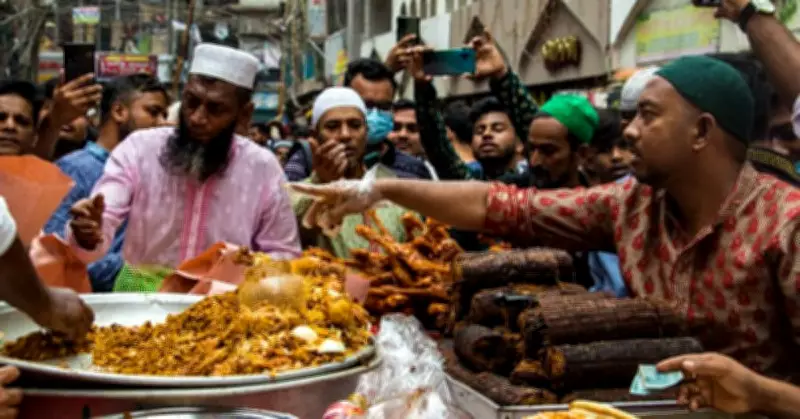
Mumbai's Ramadan Culinary Traditions Adapt to National LPG Shortage
As India grapples with a significant liquefied petroleum gas (LPG) crisis, the holy month of Ramadan in Mumbai is witnessing a notable transformation in traditional food practices. According to detailed reports gathered by media outlets, numerous households and community kitchens across the city have been compelled to trim or entirely alter their festive menus. This shift reflects broader economic pressures and resource constraints affecting daily life during this sacred period.
From Meat-Centric Feasts to Simpler Fare
In a departure from customary Ramadan spreads that often feature rich meat dishes like beef and mutton, many Mumbaikars are now opting for more fuel-efficient alternatives. One prominent substitute gaining popularity is khichda, a hearty porridge-like dish made from lentils, grains, and spices, which requires less cooking time and energy compared to meat-based preparations. This change is not merely a matter of preference but a practical response to the escalating costs and limited availability of LPG cylinders, which are essential for household cooking across India.
The adaptation extends beyond individual homes to community iftars, where organizers are reevaluating their offerings to align with the new realities. "We've had to rethink our entire menu to ensure we can serve everyone without straining resources," shared a local community leader, highlighting the collective effort to maintain the spirit of Ramadan amidst challenges. Desserts and other traditional items are also being simplified, with an emphasis on dishes that can be prepared using coal-based or alternative cooking methods, as seen in some areas.

Broader Implications of the LPG Crisis
India's LPG crisis, characterized by supply shortages and rising prices, has far-reaching effects on daily routines, particularly during festive seasons like Ramadan. The reliance on LPG for cooking is widespread, and its scarcity forces families to make difficult choices, impacting nutrition and cultural practices. In Mumbai, a city known for its diverse culinary heritage, the shift from meat to khichda symbolizes a broader trend of resilience and adaptation.
Experts note that such changes could have lasting effects on food habits, even beyond the current crisis. "This situation is prompting a reevaluation of how we consume and prepare food, potentially leading to more sustainable practices in the long run," commented a food policy analyst. However, the immediate concern remains ensuring that communities can observe Ramadan with dignity and minimal disruption.
As of March 12, 2026, these adjustments are becoming more prevalent, with reports indicating that the trend is likely to continue if the LPG situation does not improve. The resilience of Mumbaikars in adapting their Ramadan traditions serves as a testament to their ability to navigate adversity while preserving the essence of their cultural and religious observances.

