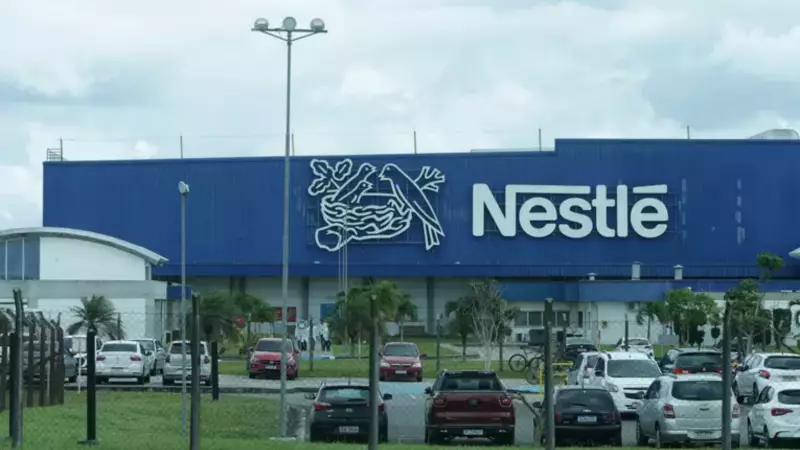
In a significant move impacting parents across Europe, Swiss food conglomerate Nestle has announced a major recall of specific batches of its infant formula products. The precautionary measure, announced on Monday, affects several countries including France, Germany, Austria, Denmark, Italy, and Sweden.
What Triggered the Recall?
The global giant stated on its official website that the decision stems from a "quality issue" detected in an ingredient supplied by one of its major partners. While the company has not disclosed the exact nature of the problem, it confirmed that rigorous testing has been initiated. "Nestle has undertaken testing of all arachidonic acid oil and corresponding oil mixes used in the production of potentially impacted infant nutrition products," the company's notice read.
Importantly, Nestle emphasized that no confirmed illnesses have been linked to the consumption of these products to date. The recall is being framed as a voluntary and preventive action to ensure the highest safety standards.

Affected Products and Countries
The recall is not uniform and targets specific production batches sold under different brand names in various markets. In France, the affected products are certain batches of the popular Guigoz and Nidal infant formulas. Nestle France clarified that new investigations indicated the potential presence of cereulide, a toxin produced by bacteria that can lead to digestive problems like vomiting and diarrhea.
In Germany, the recall involves formulas sold under the Beba and Alfamino brands. The company has posted images showing the batch numbers of the concerned products on its local websites to help consumers easily identify them.
Steps for Consumers and Regulatory Coordination
Nestle has assured parents and caregivers that it is taking all necessary steps, including this product recall where required. The company confirmed it is in direct contact with the relevant national authorities in the impacted countries to coordinate the action effectively.
For consumers who have purchased the affected batches, Nestle has provided clear instructions for returning the products and obtaining a full refund. A dedicated customer service phone number has also been activated to field questions and concerns from worried parents. This move aims to manage the situation transparently and maintain trust.
This incident highlights the complex, global nature of modern food supply chains and the stringent safety protocols companies must follow. For Nestle, a leader in infant nutrition, such a widespread recall underscores its stated commitment to precaution, even in the absence of confirmed health reports.