

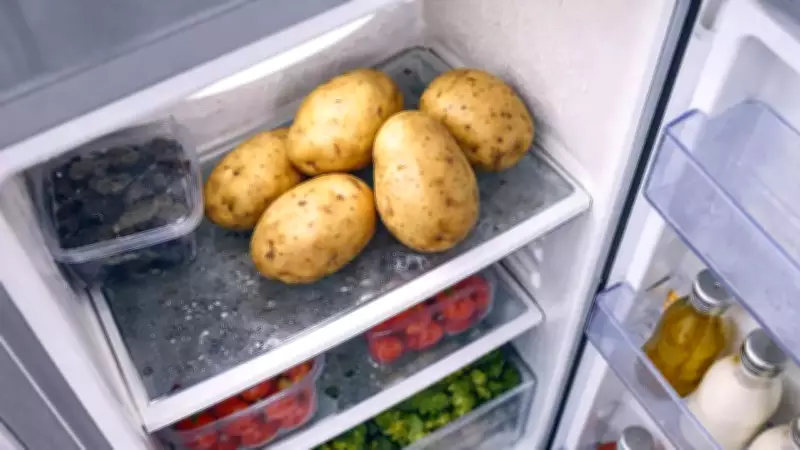
Why Refrigerating Potatoes Is a Major Mistake
Potatoes are a versatile staple food, featured in countless dishes from crispy fries and savory chips to hearty curries and comforting soups. Due to their longer shelf life compared to many other vegetables, people often purchase them in bulk and store them for extended periods. However, a common and significant error is placing potatoes in the refrigerator. While the fridge is ideal for perishable items because its low temperatures slow decay, potatoes require a different storage environment. According to food experts, refrigerating raw potatoes can negatively impact their flavor, texture, and cooking performance, making proper storage crucial.
The Science Behind the Refrigeration Problem
The primary issue with refrigeration lies in how cold temperatures affect the starch naturally abundant in potatoes. When potatoes are stored in the fridge, the starch begins to convert into sugar. This transformation isn't immediately noticeable in uncooked potatoes, but once cooked, the elevated sugar levels can impart an unwanted sweeter taste, which may clash with many recipes. More critically, this increased sugar content poses a health concern when potatoes are subjected to high-heat cooking methods like frying, roasting, or baking.
As highlighted by the U.S. Food and Drug Administration (FDA), storing potatoes at cold temperatures raises sugar levels, which can lead to higher formation of acrylamide during high-heat cooking. Acrylamide is a natural chemical compound that forms in some starchy foods when cooked at high temperatures. While not necessarily harmful in small amounts, its production is undesirable and best minimized. Thus, refrigeration not only alters taste but also contributes to this chemical change.

How Refrigeration Alters Taste and Cooking Results
Potatoes stored in the refrigerator undergo noticeable changes when cooked. The extra sugar content causes them to brown more rapidly during frying or roasting. This means dishes like French fries, roasted potatoes, and chips can end up darker than usual, sometimes developing an unusual color. Additionally, the texture may become gritty or less appealing, as reported by many home cooks. These alterations, though subtle at first, can significantly influence the overall quality, appearance, and flavor of meals, detracting from the desired culinary experience.
The Optimal Storage Solution for Potatoes
Instead of the refrigerator, experts recommend storing potatoes in a cool, dry, and dark location. Ideal spots include a kitchen pantry, cupboard, or cellar, where temperatures are slightly cool but not cold. A dark environment helps prevent potatoes from turning green, a reaction that occurs with prolonged light exposure. Proper air circulation is also essential; use containers like baskets, mesh bags, or paper bags that allow airflow. Avoid plastic bags, as they trap moisture and can accelerate spoilage.
Another useful tip is to keep potatoes separate from onions. When stored together, gases emitted by onions can cause potatoes to sprout more quickly. By following these simple guidelines, you can maintain the freshness and quality of potatoes for weeks.
A Simple Habit for Longer Freshness
Potatoes don't require complex storage methods. In most households, placing them in a cool, dry corner of the kitchen suffices to keep them fresh. Regularly inspect the batch and remove any potatoes that are soft or starting to sprout to prevent spoilage from spreading. While the refrigerator might seem convenient, it's not suitable for potatoes. Proper storage in a cool, dark area preserves their natural taste, texture, and cooking integrity, ensuring better results in your culinary creations.

