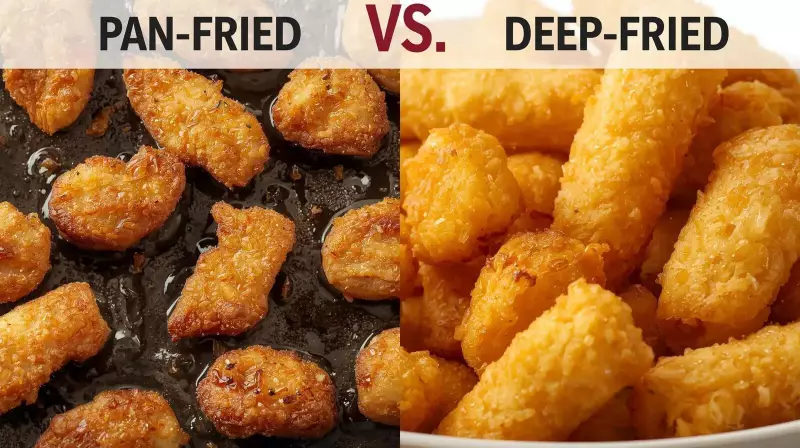
Frying is a cornerstone of daily Indian cooking, a routine act where oil meets heat and food transforms. Yet, the subtle decisions we make during this process—the type of frying, the amount of oil, the temperature—profoundly influence the final dish. The texture, flavour, and even how heavy it feels after eating can vary dramatically based on technique. While often lumped together, pan frying and deep frying are distinct culinary methods with different rules, outcomes, and places in your kitchen. Mastering them doesn't require special equipment, but rather attention, patience, and a clear understanding of what your ingredients truly need.
The Hands-On Art of Pan Frying
Pan frying is an intimate, controlled dance between food, heat, and a thin layer of oil. It typically requires a shallow pan with just enough oil to coat the base. Here, the food rests directly on the hot metal surface, allowing for close supervision. This method is perfect for ingredients that cook quickly and maintain their structure, such as eggs, sliced vegetables, thin fish fillets, or flattened cuts of meat like chicken breasts.
Since the oil doesn't envelop the food, moisture escapes more readily. This promotes beautiful browning without making the dish feel excessively greasy. However, it demands your attention: flipping at the precise moment is crucial. Flip too early, and the food may stick; too late, and it can dry out. The beauty of pan frying lies in its flexibility—you can adjust the heat, swirl in some butter, or tilt the pan to baste. It's a personal, responsive way to cook.

The Committed Science of Deep Frying
Deep frying operates on a different principle entirely, immersing food completely in a large volume of hot oil. The temperatures are higher and must be kept stable, ideally between 350 and 375 degrees Fahrenheit (175-190°C). Once submerged, the hot oil creates a rapid reaction: moisture inside the food turns to steam and pushes outward, while the oil forms a crisp, uniform crust on the surface.
This technique is ideal for foods that benefit from a strong, crunchy exterior and even cooking throughout. Think classic French fries (or Indian potato snacks), fried chicken, onion rings, or pakoras. Deep frying is less forgiving than pan frying. If the oil temperature drops (from adding too much food at once) or wasn't hot enough to begin with, the result is a soggy, oil-logged disappointment. When executed correctly, it delivers consistent, crispy results efficiently.
Choosing Your Champion: Scale, Texture, and Delicacy
So, when should an Indian home cook choose one method over the other? The decision often hinges on scale and the delicacy of the ingredient.
Pan frying excels with smaller portions and fragile foods. A delicate sole fish fillet or bhindi (okra) might fall apart in a bubbling deep fryer but cook perfectly with the gentle, direct contact of a pan. It's the go-to method for quick, everyday vegetables and proteins where you want more control over each individual piece.
Deep frying is the choice for volume and bold, crunchy textures. When cooking for a family gathering or aiming for that signature crispness in snacks like vadas or kachoris, deep frying is unmatched. It offers batch consistency, cooking every piece in the same hot oil environment. One isn't inherently better than the other; they simply serve different culinary purposes.
Can you substitute pan frying for deep frying at home? In many cases, yes, through a method called shallow frying, where oil comes halfway up the food. It uses less oil than deep frying but can still produce a satisfying crust. The keys are proper preheating, not overcrowding the pan, and diligently turning the food. Adjust your expectations—you may not achieve the exact same all-around crunch as a deep fryer, but you gain simplicity and use significantly less oil.

Which method is healthier? Generally, pan frying is considered the lighter option due to its lower oil requirement. Deep-fried foods can absorb more oil, especially if the temperature is not maintained correctly. However, health impact isn't just about the method. Using fresh oil, maintaining the right temperature, and draining fried food properly on a rack or paper towel all significantly reduce oil absorption. Ultimately, health is about balance and frequency within your overall diet.
Disclaimer: This article is for informational purposes only and is not intended as medical or nutritional advice. Always consult a qualified healthcare professional before making significant changes to your diet or lifestyle.