Why Fresh Pineapple Causes That Uncomfortable Burning Sensation
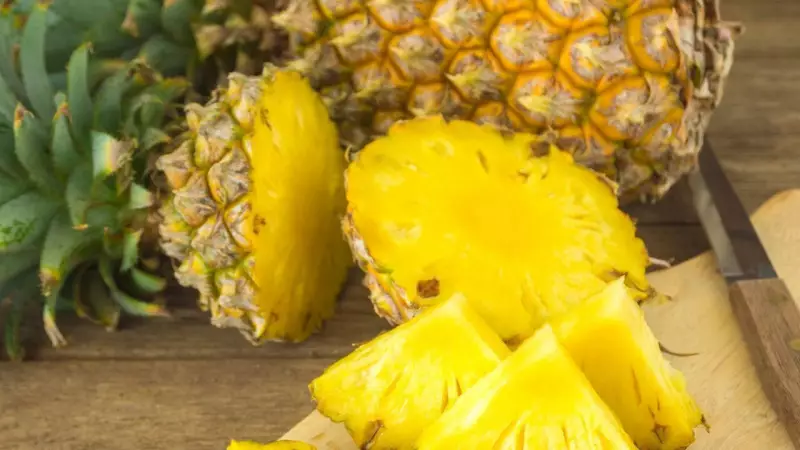
Pineapple, with its vibrant tropical sweetness and juicy texture, has earned its place as a beloved ingredient worldwide. From refreshing fruit salads and creamy smoothies to the controversial yet popular pizza topping, this fruit adds a delightful tangy twist to numerous dishes. However, many people experience an unexpected side effect when biting into fresh pineapple: a distinct tingling or burning sensation on the tongue and lips.
While this might initially feel alarming or even painful, it's actually a common physiological reaction to raw pineapple. The good news is that this discomfort can be easily prevented with some simple techniques, allowing you to fully enjoy the fruit's tropical sweetness without any unpleasant aftereffects. Let's delve into the science behind this phenomenon and explore practical solutions to make your pineapple experience completely enjoyable.
The Scientific Reasons Behind Pineapple's Tingling Effect
When you consume fresh pineapple and feel that characteristic burn, several biological factors are at work. Understanding these mechanisms helps explain why this happens and how to counteract it effectively.

Bromelain Enzyme: The Primary Culprit
Bromelain represents a complex mixture of proteolytic enzymes naturally present in pineapple, particularly concentrated in the fruit's core. These enzymes specialize in breaking down proteins, which is why pineapple juice is often used as a natural meat tenderizer. However, when bromelain comes into contact with the sensitive tissues of your mouth and tongue, it can begin breaking down proteins in your mucous membranes, leading to irritation that manifests as tingling or burning sensations.
Natural Acidity Amplifies the Effect
Pineapples contain significant amounts of citric acid and other organic acids that give them their characteristic tangy flavor. This natural acidity, when combined with the protein-digesting action of bromelain, creates a double impact on sensitive oral tissues. The acidic environment can temporarily lower the pH in your mouth, making tissues more vulnerable to the enzymatic action of bromelain.
Individual Sensitivity Variations
Just as people have different pain thresholds and sensitivities to various foods, reactions to pineapple can vary significantly between individuals. Some people might experience only mild tingling, while others with more sensitive oral tissues may feel a stronger burning sensation. This variation depends on factors like the thickness of oral mucosa, previous exposure to similar enzymes, and individual biochemical differences.
6 Proven Methods to Prevent Pineapple Tongue Burn
You don't need to avoid this delicious tropical fruit because of temporary discomfort. These practical strategies can help you enjoy pineapple without the unpleasant side effects.
- Remove the Core Strategically
The pineapple core contains the highest concentration of bromelain enzymes. By carefully cutting away this central portion before consumption, you significantly reduce the enzyme load that comes into contact with your mouth. This simple preparation step can make a dramatic difference in your eating experience.
- Salt Water Soaking Technique
Soaking pineapple slices in chilled salted water for 10-15 minutes before consumption serves multiple purposes. The salt helps draw out some of the bromelain enzymes while also neutralizing some acidity. After soaking, simply drain the slices and pat them dry to remove excess salt. This method preserves the fruit's flavor while reducing its irritating properties.
- Pair with Dairy Products
Consuming pineapple alongside yogurt, milk, cream, or other dairy products creates a protective buffer in your mouth. The proteins in dairy products bind with bromelain enzymes, effectively neutralizing them before they can irritate your oral tissues. This is why pineapple with cream or in smoothies with yogurt typically causes less discomfort than eating the fruit alone.

- Select Ripe Pineapples Carefully
Immature pineapples contain higher concentrations of both bromelain and natural acids. As the fruit ripens, these compounds naturally decrease while sugars increase. Look for pineapples with a golden yellow color (rather than green) and a slight give when gently pressed at the base. The sweet aroma at the stem end is another indicator of proper ripeness.
- Apply Heat Through Cooking
Bromelain enzymes are heat-sensitive and become denatured when exposed to temperatures above 158°F (70°C). Cooking, grilling, baking, or even lightly sautéing pineapple neutralizes the enzymes while preserving much of the fruit's sweetness and texture. This explains why pineapple on pizza or in cooked desserts rarely causes burning sensations.
- Smart Consumption Practices
Cut pineapple into smaller pieces to reduce the concentration of enzymes hitting any single area of your mouth. Rinse your mouth with water or milk between bites if you're particularly sensitive. Avoid eating pineapple on an empty stomach if you have mouth sensitivity, and consider combining it with other fruits in a mixed fruit salad to dilute the enzyme concentration.
Creative Ways to Incorporate Pineapple in Your Diet
Beyond eating it fresh, pineapple's versatility makes it suitable for numerous culinary applications. Here are some delicious ways to enjoy this tropical fruit while minimizing potential discomfort:
- Pineapple Smoothies and Juices: Blending with dairy or other fruits reduces enzyme concentration
- Pineapple Salsa: The combination with onions, peppers, and lime juice creates balanced flavors
- Grilled Pineapple: Heat treatment eliminates bromelain while creating caramelized sweetness
- Pineapple Pizza Topping: Cooking during pizza baking neutralizes enzymes
- Pineapple Coconut Desserts: Tropical flavor combinations that delight the palate
- Pineapple in Baked Goods: Incorporated into cakes, tarts, and pastries
Whatever preparation method you choose, pineapple adds a distinctive sweet-tangy flavor profile that enhances both beverages and dishes. Its versatility in the kitchen makes it one of the most useful tropical fruits for creative cooks and food enthusiasts alike.
By understanding the science behind pineapple's tingling effect and implementing these practical prevention strategies, you can enjoy this delicious tropical fruit without any discomfort. The combination of proper selection, preparation techniques, and smart consumption practices ensures that pineapple remains a pleasurable addition to your diet rather than a source of oral irritation.