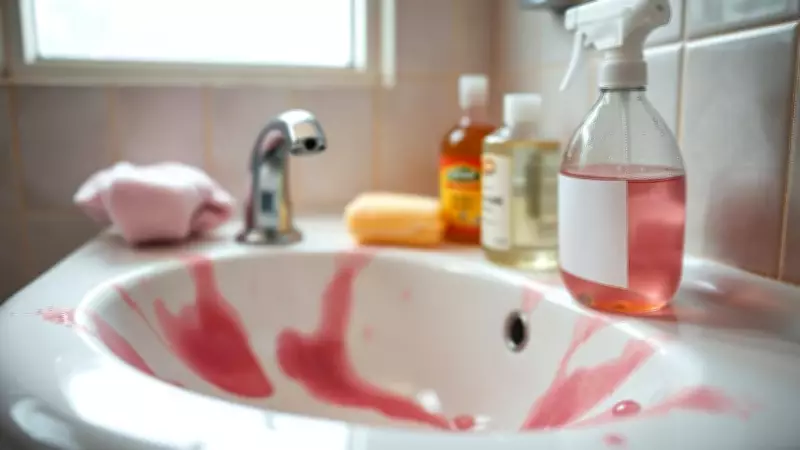
The Persistent Pink Stain: Unmasking the Bacterial Invader in Your Bathroom
Have you ever noticed pink stains forming around your bathroom sink or shower? At first glance, they might seem harmless, but these unsightly marks have a way of reappearing no matter how often you scrub them away. This recurring nuisance is commonly referred to as "pink mold," but it's crucial to understand that it's not mold at all. In reality, these stains are caused by bacteria thriving in moist environments, feeding off the residue left behind from bathing and washing.
What Is Pink Mold? The Science Behind the Stubborn Stains
Despite its misleading name, pink mold is actually a bacterium known as Serratia marcescens. As highlighted in home cleaning guides from reputable sources like Martha Stewart and HowStuffWorks, this microorganism survives by consuming soap scum and other organic substances. It tends to colonize areas that retain moisture, such as drains, grout lines, and around faucets, creating an ideal breeding ground that results in the characteristic pink film.
The persistence of these stains often boils down to routine cleaning habits. Even after thorough cleaning, a thin layer of residue can remain, and when combined with moisture, it allows the bacteria to rapidly regenerate. Serratia marcescens requires minimal resources to survive, making it a tenacious foe in household hygiene.

Health Implications: Why Regular Cleaning Matters Beyond Aesthetics
While most healthy individuals may not experience serious issues from brief exposure, reports from Forbes Home and HowStuffWorks indicate that Serratia marcescens can pose risks to those with compromised immune systems. In rare cases, it has been linked to respiratory or urinary infections, underscoring that regular cleaning is not merely a cosmetic task but a health necessity.
Research, such as the study Microbial biofilms in domestic environments published in Nature Reviews Microbiology, supports this by explaining how bacteria form protective biofilms on surfaces. These biofilms adhere firmly and are resistant to quick wipes, which is why stains often reappear shortly after cleaning. This highlights the importance of using effective methods to combat these persistent invaders.
Effective Cleaning Strategies: Simple Solutions for a Stain-Free Bathroom
Fortunately, you don't need specialized products to tackle pink stains. A straightforward approach using common household items can yield excellent results. A mixture of water and white vinegar is a highly effective solution; simply spray it on the stained area, let it sit for a while, and scrub gently. For hard-to-reach spots, an old toothbrush can be invaluable.
For tougher stains, a paste made from baking soda and dish soap, as recommended in homemaking resources like Martha Stewart's guides, can help remove the film completely without damaging surfaces. Patience is key here—rushing the process may lead to incomplete removal and quicker recurrence.
Prevention Tips: Keeping Bacteria at Bay for Good
Cleaning alone isn't enough; prevention plays an equally vital role. After using the sink or shower, make it a habit to wipe surfaces dry to eliminate moisture. Enhancing ventilation by opening windows or using fans can significantly reduce dampness, depriving bacteria of their ideal environment.
Regular maintenance is essential. Focus on areas prone to water accumulation, such as around soap dispensers, shower curtains, and corners. In more challenging cases, products designed to remove soap scum can be effective in addressing persistent pink stains.
Ultimately, awareness is your greatest ally. By understanding the root cause of these stains, cleaning transforms from a reactive chore into a proactive measure. With the right approach, maintaining a clean bathroom becomes manageable, and those pink spots need not be a permanent fixture in your home.