

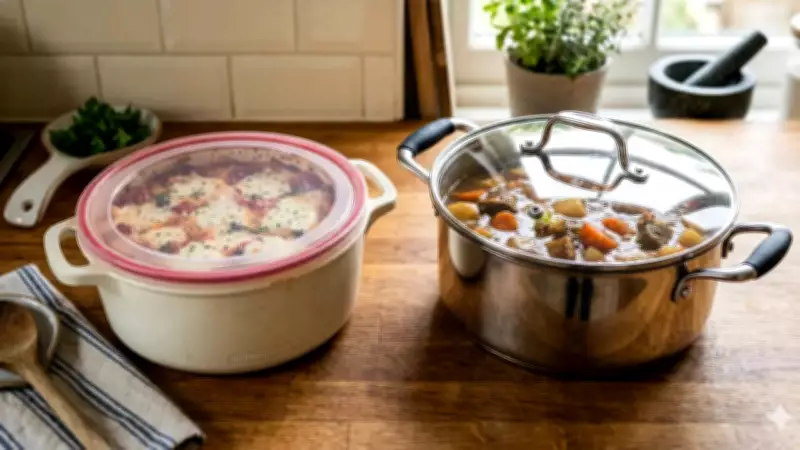
Plastic vs. Stainless Steel Casseroles: The Ultimate Guide for Storing Rotis Safely
In Indian households, keeping rotis soft and warm for extended periods is a daily necessity, and casseroles, also known as hot cases, have become indispensable kitchen companions. These versatile containers are not only used for rotis but also for storing curries, dal, and sabzis. However, the debate between plastic and stainless steel casseroles often leaves consumers confused, with factors like price, aesthetics, and safety sparking endless discussions. This article delves into the pros and cons of both materials, providing expert insights to help you make an informed decision on which is healthier and safer for storing your rotis.
Plastic Casseroles: Convenience with Hidden Risks
Plastic casseroles are widely popular due to their lightweight design and affordability, making them easily accessible in markets. Many models feature insulated interiors that effectively retain heat, ensuring rotis stay warm. However, not all plastics are created equal, and quality can vary significantly. When hot rotis are placed inside, the heat may cause certain types of plastic to leach harmful chemicals over time, posing potential health risks.
Expert Opinion on Plastic Casseroles
According to Tanya Kapoor, a certified nutritionist and wellness expert, even food-grade plastic can degrade with repeated exposure to heat. While this degradation might not be immediately visible, it can lead to long-term health hazards. She explains, "Regular wear and tear, such as scratches, can harbor bacteria and reduce cleaning effectiveness, increasing contamination risks." Kapoor notes that using high-quality, BPA-free plastic casseroles and allowing rotis to cool slightly before storage can minimize risks, but she emphasizes that these measures do not eliminate them entirely.

Stainless Steel Casseroles: The Safer Alternative
Stainless steel casseroles are often regarded as one of the safest materials for food storage, particularly for hot items like rotis. Steel is non-reactive, durable, and resistant to scratches, odors, and stains, making it easy to clean and maintain. Its robust nature ensures it does not degrade over time, offering a sustainable and reliable option for kitchen use.
Expert Opinion on Stainless Steel Casseroles
Tanya Kapoor affirms, "Steel is non-reactive, durable, and does not leach chemicals, even when in contact with hot food. For storing hot rotis, it is one of the safest choices, providing confidence that no unwanted substances are mixing with your meals." She highlights the longevity of stainless steel casseroles, noting that unlike plastic, they do not degrade with regular use, making them a more sustainable investment in the long run.
Maintaining Freshness and Softness
Both plastic and stainless steel casseroles are designed to retain heat and moisture, keeping rotis fresh and soft. To enhance texture and prevent sogginess, experts recommend wrapping rotis in a cotton cloth or parchment paper before placing them in the casserole. However, safety concerns with plastic casseroles remain, whereas stainless steel options, especially insulated models, perform equally well without compromising health.
Environmental Impact Considerations
From an environmental perspective, plastic casseroles are petroleum-based products with a high carbon footprint due to the energy-intensive processes of extraction, transportation, and manufacturing. They are often non-recyclable and end up in landfills, taking hundreds of years to decompose. In contrast, stainless steel casseroles are made from metals like iron, chromium, and nickel, which are recyclable and can be reused indefinitely without quality loss, making them a more eco-friendly choice over time.
Final Verdict: Which Casserole Is Safer?
According to Tanya Kapoor, while plastic casseroles may offer convenience and lower costs, stainless steel casseroles clearly excel in terms of health, safety, and sustainability. They are non-toxic, better suited for handling hot foods like rotis, and provide long-term value without environmental drawbacks. For those prioritizing well-being and durability, stainless steel emerges as the superior option for storing rotis safely.

