

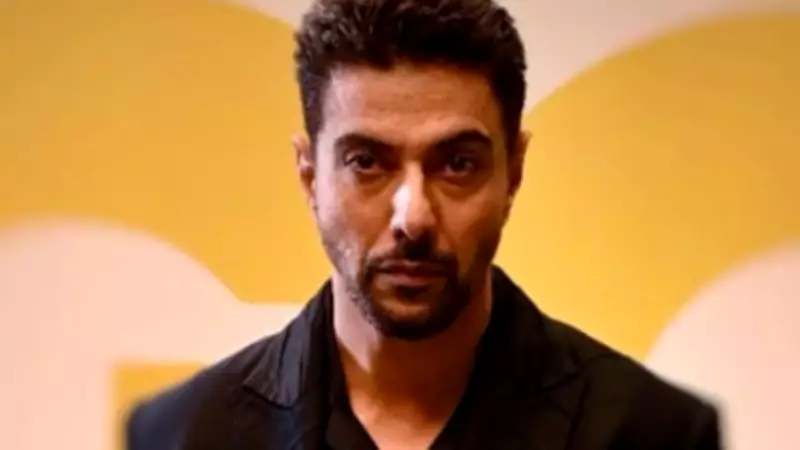
Chef Ranveer Brar Declares Agriculture as the Core of Cultural Evolution
Celebrity chef Ranveer Brar, who recently concluded filming for the ninth season of the popular cooking reality show MasterChef India, has made a profound statement about the role of agriculture in shaping human traditions and cultures. In an exclusive interview with IANS on the sets of the show, where he shot the finale alongside fellow chefs Vikas Khanna and Kunal Kapur, Brar emphasized that agriculture is the fundamental bedrock upon which all culinary and cultural practices are built.
The Layered Impact of Agriculture on Food and Society
Brar elaborated on how cultures develop over years of evolution, with agriculture serving as the primary driver. "What ultimately influences food? It is agriculture," he told IANS. "It boils down to cooking what you have available. From there, various styles and cultures add layers to it. Sometimes, religious traditions impose a layer, dictating dietary habits based on faith."
He further explained that other societal factors contribute to this layering process. "At times, gender biases introduce another layer, while seasonal changes add yet another dimension. All these different layers enrich both cuisine and culture, but the undeniable foundation remains agriculture," Brar asserted, highlighting the interconnectedness of farming with broader social structures.

Personal Insights from a Farming Family Background
Earlier, Brar had shared that harvest festivals in India transcend mere symbolism for him, rooted instead in tangible experiences of effort, patience, and agricultural life. Coming from a farming family, his childhood was deeply influenced by the rhythms of the land. "Since I hail from a farming background, harvest festivals were never symbolic; they were real and visceral," he recalled in a previous IANS interview. "Growing up on farms, I witnessed crops maturing and observed how the household's mood fluctuated with the seasons. Food was directly tied to hard work, weather conditions, and perseverance."
This upbringing continues to shape his culinary approach today. When discussing harvest delicacies that hold special meaning for him, Brar noted that dishes crafted from freshly harvested grains and greens evoke unique emotions. "In a farming family, harvest food feels earned," he said. "For me, meals made from newly harvested ingredients always resonate deeply, particularly winter staples like saag, makki ki roti, and simple dals. These dishes were never about extravagance; they represented recovery, nourishment, and gratitude after months of labor."
Communal Cooking and the Essence of Food Storytelling
Recalling a cherished childhood memory, Brar described how harvest meals were often prepared collectively, fostering a sense of community. "One enduring memory is the collective preparation of harvest meals. After exhausting days in the fields, food was cooked in large batches, shared among many, and tasted by numerous hands. There was no hurry or fancy presentation—just relief and togetherness," he reminisced.
This environment taught him that food is inherently communal, a lesson that informs his philosophy today. Brar also expressed his belief that harvest cuisine represents the most authentic form of food storytelling, not only in India but globally. Through his insights, he underscores how agriculture not only sustains life but also weaves the fabric of cultural identity and shared human experiences.

