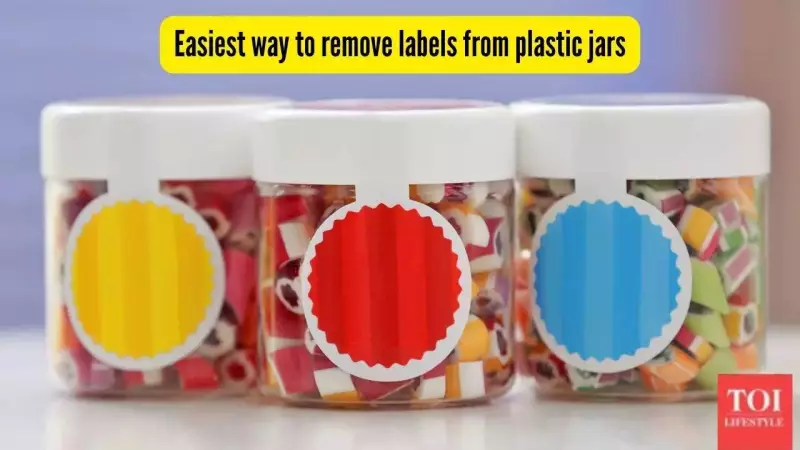
Struggling with Sticky Labels on Plastic Containers?
We all have reusable plastic containers around our homes. These containers are practical for storage and recycling. However, one annoying problem often ruins their usefulness. The stubborn labels attached to them create a real headache.
When you try to peel off these labels, they leave behind a sticky glue residue. This residue is messy and difficult to clean. Many people find this task tedious and frustrating. But what if there was a simple, magical solution? A method that requires no harsh chemicals or excessive effort?
Fortunately, several easy household tricks exist. One method stands out as particularly effective. The oil-soak approach has gained popularity among homemakers. Let's explore why labels stick so stubbornly and how to remove them easily.

Why Do Labels Stick So Tightly to Plastic?
Those pesky labels use pressure-sensitive adhesive. This special glue forms a strong bond with plastic surfaces. Over time, exposure to heat or moisture can harden the adhesive. This hardening makes the labels even more difficult to remove cleanly.
The secret to easy label removal lies in softening the adhesive. Breaking down the glue makes peeling effortless. Traditional methods often involve scrubbing or using chemical solvents. These approaches can damage containers or create messes.
Homemakers across India have discovered a better way. Sunaina Sarkar, a Kolkata-based homemaker, shares her experience. "My mother taught me this trick when I started living independently. It works every time. The oil method is effective and safe for most plastic types," she explains.
The Magical Oil-Soak Method That Works Wonders
Now, let's reveal the simple oil trick that acts like a hero. This method requires no harsh chemicals. It won't burn your energy or create messes. You only need basic household oil and some patience.
First, remove any loose plastic covering from the label. Then, apply cooking oil generously over the entire label surface. Any common kitchen oil will work perfectly. Make sure the oil seeps into the adhesive layer beneath the label.
Allow the oil to soak thoroughly. Leave the container undisturbed for five to six hours. For particularly stubborn labels, extend the soaking time overnight. This waiting period lets the oil weaken the adhesive bond.
After soaking, gently peel the label with your fingers. You'll notice the glue comes off cleanly. Finally, wash the container with lukewarm water. A simple wipe removes any remaining oil residue.
Other Effective Household Methods for Label Removal
While the oil method works beautifully, other approaches also help. Here are some alternative techniques you can try:
- Hot Water and Soap Method
If you prefer not to use oil, try this approach. Fill your kitchen sink with warm water. Add a few drops of dish soap to create suds. Submerge the plastic container completely. Soak it for twenty to thirty minutes. The warm, soapy water softens the adhesive. After soaking, gently peel off the label. This method works best for containers that can safely handle water immersion.
- Hair Dryer Technique
Heat helps weaken adhesive bonds. Use a standard hair dryer on medium heat setting. Direct warm air onto the label for thirty to forty seconds. Keep the dryer moving to avoid overheating any spot. The heat penetrates the adhesive layer. Once heated, gently pull the label edge. This method provides quick results without liquids.
Important Precautions for Safe Label Removal
Always test any removal method on a small area first. This precaution ensures your chosen technique won't damage the plastic. Different plastics react differently to heat, oil, or water.
After removing labels, wash containers thoroughly. Proper cleaning removes all adhesive residue and cleaning agents. For stubborn cases, the oil method often delivers perfect results.
These simple household tricks transform a frustrating chore into an easy task. You can now reuse plastic containers without sticky messes. Your recycling efforts become cleaner and more efficient too.