

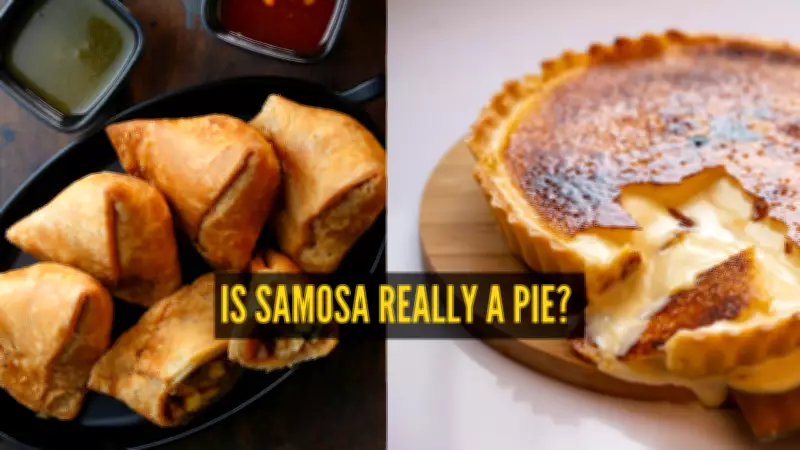
Samosa Makes Historic Debut at British Pie Awards After 18 Years
In a groundbreaking culinary development, the beloved Indian snack, the samosa, has been officially accepted as an entry in the 2026 British Pie Awards. This marks the first time in the awards' 18-year history that samosas have been permitted, a milestone driven by Keran Turakhia, popularly known as @samosawallah1 in the United Kingdom. The inclusion has sparked widespread discussion and curiosity among food enthusiasts globally.
The Innovative Entry That Broke Barriers
According to detailed reports, Samosa Wallah successfully secured entry by ingeniously creating a baked version of his traditional samosa. The British Pie Awards strictly require all entries to be baked, not fried. To comply with this rule, Turakhia adapted his recipe, maintaining the classic spicy fillings but using a pastry specifically designed for oven or air fryer cooking. This clever adaptation has not only allowed the samosa to compete but has also raised fundamental questions about its classification in the culinary world.
Defining a Pie: The Core of the Debate
A pie is traditionally defined as a baked dish consisting of a pastry crust that encases a filling, which can be either sweet or savoury. The crust is typically made from a mixture of flour, fat, and water, forming a base, a top, or both. Sweet pies often feature fruits, custards, or nuts, while savoury versions may include ingredients like meat, vegetables, or cheese. This definition sets the stage for evaluating whether a samosa fits into this category.

The Ancient Origins of the Pie
Historical records indicate that the concept of pie dates back thousands of years, with early forms emerging in ancient Egypt around 2000 BCE. These initial pies used simple crusts made from grain and water to hold fillings such as honey, resembling flat pastries filled with sweet ingredients. Over centuries, pies evolved into the diverse and beloved dishes we know today across various cultures.
Understanding the Samosa: A Cultural Icon
A samosa is a deep-fried Indian snack crafted from refined flour, fat, salt, and oil, typically filled with a spicy mixture of boiled and mashed potatoes. Variations may include additional ingredients like noodles, peas, cauliflower, meat, or even chocolate, showcasing its versatility. Its origins can be traced to the 10th century in the Middle East, where it was first mentioned in Iranian historian Abolfazl Beyhaqi's work, Tarikh-e Beyhaghi, referred to as 'Sambosa'. Originally small in size, samosas were convenient snacks for travellers, easily packed in saddle bags for consumption on the go.
The Ongoing Debate: Is a Samosa Truly a Pie?
As the culinary community engages in lively discussions, opinions remain divided on whether a samosa can be classified as a pie. Both items belong to the broader family of filled pastries, where dough is used to wrap or hold a filling before cooking. However, key differences exist in preparation methods—baking versus frying—and cultural contexts. This historic entry into the British Pie Awards invites food lovers to reconsider traditional definitions and appreciate the shared heritage of these delicious treats.

