

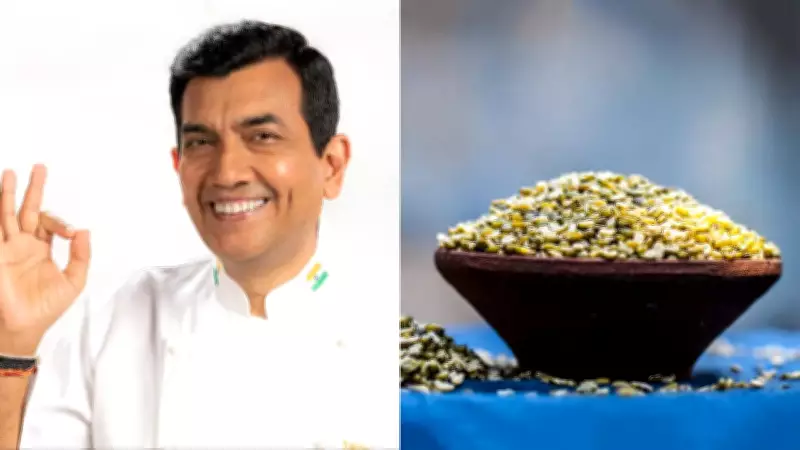
Chef Sanjeev Kapoor Unveils Expert Tips for Maximizing Moong Benefits in Daily Diet
Renowned chef Sanjeev Kapoor, celebrating his 62nd birthday, has shared invaluable secrets on how to effectively use moong in everyday meals to harness its full nutritional potential. In a detailed blog post on his website, Kapoor emphasizes that moong, a light, protein-rich, and easily digestible lentil, is a powerhouse of nutrition ideal for boosting energy, improving digestion, and adding a healthy touch to dishes. He explains that it's not just about consuming moong but using it correctly to maximize benefits, highlighting three key varieties: whole green moong, split green moong with skin, and split moong without skin (yellow moong).
Whole Moong (Green Moong): The Nutrient-Dense Superfood
According to Chef Sanjeev, whole moong is one of the oldest and healthiest pulses, rich in protein, fiber, and essential vitamins and minerals. He notes that its natural fiber aids digestion and supports weight management. To enhance its nutritional value, Kapoor recommends sprouting, which unlocks more nutrients, increases enzymes and antioxidants, and boosts vitamin C levels for better immunity. A standout recipe is Green Moong Oats Tikki, a crispy snack made with soaked and boiled green moong, oats powder, potatoes, onions, and spices, shallow-fried and served with mint chutney or yogurt dip.
Split Skinless Green Gram (Yellow Moong Dal): The Versatile Staple
Yellow moong dal, the most commonly used variety in India, is praised by Kapoor for being easy to cook, digest, and rich in protein, folate, iron, and magnesium. It's gentle on the stomach, making it perfect for light, nourishing meals, and versatile enough for dishes like soups and khichdi. A recommended recipe is Yellow Moong Pesarattu, a protein-packed pancake made from blended split skinless green gram, rice, green chillies, ginger, and cumin seeds, cooked with gun powder, onions, and coriander for a flavorful breakfast or lunch option.

Split Green Gram with Skin (Chilkweali Moong Dal): The Fiber-Rich Choice
This variety retains its green skin, providing a rich source of fiber, minerals, and vitamins. Kapoor explains that the skin slows digestion, promoting fullness and aiding in weight and blood sugar management. It's gentler on the stomach than whole moong and easy to cook in soups, stews, and curries. A comforting recipe is Moong Masoor Ki Dal, combining split green gram with skin and split red lentils, cooked with spices and garnished with coriander, best served with steamed rice or roti for a wholesome meal.
Chef Sanjeev Kapoor's insights underscore moong's role as a versatile and nutritious ingredient, offering practical ways to incorporate it into daily diets for enhanced health and wellness.

