

Snake Plants and Snakes: Debunking the Common Myth About Attraction
Snake plants, scientifically known as Sansevieria trifasciata, are widely cultivated inside homes, offices, and various indoor spaces for their ornamental value. These plants are celebrated for their upright, sword-like leaves, low maintenance requirements, and remarkable ability to thrive in diverse lighting conditions, from bright indirect light to low-light environments. One of the most persistent queries among gardeners and homeowners is whether snake plants possess the capability to lure snakes, a misconception that stems primarily from the plant's evocative name.
The Origin of the Name "Snake Plant"
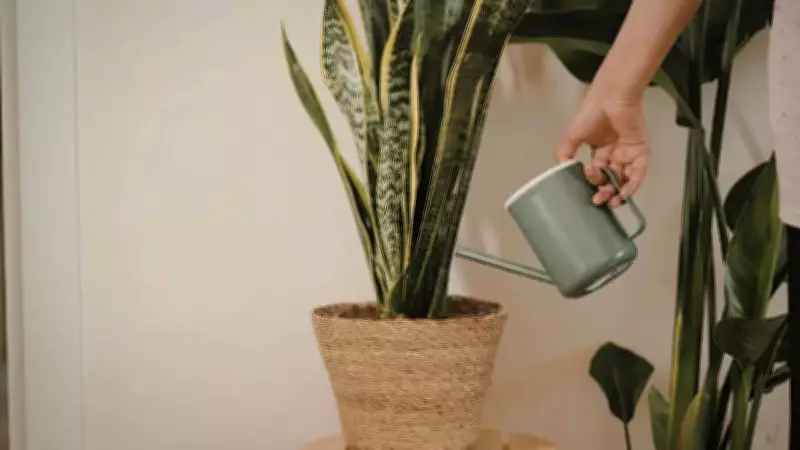
The term "Snake Plant" is derived from the visual resemblance of its leaf structure to a snake. The leaves are tall, upright, and often feature patterns or markings that mimic the scaly skin of a reptile. This physical similarity leads many to assume a biological connection between the plant and snakes, but in reality, the name is purely descriptive and based on appearance alone. It does not imply any ecological or behavioral relationship between the two organisms.
Do Snake Plants Actually Attract Snakes?
Scientific research and botanical studies confirm that snake plants do not produce any scent, chemicals, or signals that would draw snakes to their vicinity. Snakes are driven by survival instincts and environmental factors such as food availability, temperature, shelter, and water sources. Snake plants lack these attractants entirely. For instance, they do not emit odors that might appeal to snakes, nor do they create habitats that support prey like rodents or insects, which are primary motivators for snake movement.

Environmental Factors That Influence Snake Presence
Snakes tend to inhabit areas where specific conditions are met:
- Food Sources: The presence of rodents, insects, or small animals is a key factor.
- Shelter: Untidy areas, debris, or structural openings like cracks and vents provide hiding spots.
- Climate: Temperature and humidity levels play a crucial role in snake activity.
Snake plants do not influence any of these environmental conditions. Their presence does not increase prey availability or create suitable shelters, making them irrelevant to snake attraction.
Indoor and Outdoor Considerations
In indoor environments, where snake plants are commonly placed, spaces are typically enclosed with limited entry points for snakes, such as doors or vents. The plant itself does not function as a factor that encourages snake entry, as it emits no attractants and creates no pathways. Outdoors, snake plants contribute to broader ecology, but their structure is insufficient to provide habitat for wildlife like snakes. Dense, overgrown vegetation might offer shelter, but snake plants alone do not contribute to such environments.
Addressing Misconceptions Linked to Plant Names
The name "Snake Plant" fosters certain misconceptions due to its association with snakes, but this is not grounded in scientific fact. It is a common misunderstanding, similar to how other plants or objects are named based on physical appearance without implying actual relationships. For example, "spider plants" do not attract spiders, and "elephant ear plants" do not draw elephants. Understanding this helps dispel myths and promotes accurate gardening practices.
In summary, snake plants are safe, attractive additions to indoor and outdoor spaces without any risk of attracting snakes. Their ease of care and aesthetic appeal make them a popular choice, free from the concerns that their name might suggest.

