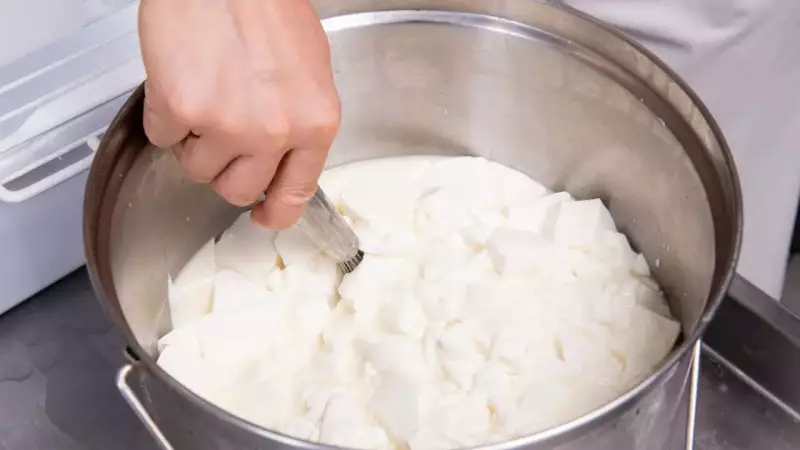
There is perhaps nothing more disheartening for a home cook than watching a carefully prepared creamy soup, a rich curry, or a simple cup of tea being ruined by curdled milk. The silky, smooth texture you envisioned suddenly gives way to a grainy, separated liquid filled with unpleasant lumps. This common kitchen mishap not only spoils the visual appeal but also negatively impacts the taste and aroma of your dish.
Curdling occurs more often during the winter months and is particularly prevalent in recipes that combine dairy with acidic components or subject it to high heat. However, understanding the simple science behind why milk curdles empowers you to prevent it effortlessly. By mastering a few key techniques related to temperature and ingredient management, you can consistently achieve luxurious, perfectly smooth results in all your culinary creations.
The Science Behind Why Milk Curdles
Milk is a delicate emulsion, a stable mixture of water, fat, and proteins. The key players are casein proteins, which cluster together in structures known as micelles. These micelles normally repel each other, staying evenly suspended throughout the liquid. The trouble begins when this stability is disrupted.

High heat and increased acidity are the primary culprits. A peer-reviewed scientific paper published in Science Direct, titled 'Heat-induced changes in caseins and casein micelles, including interactions with denatured whey proteins', explains that these factors weaken the casein micelles. When this happens, the proteins begin to attract each other instead of repelling, clumping together to form the visible solids we recognize as curds, and separating from the watery whey.
Sudden temperature shock, such as adding cold milk to a boiling liquid, accelerates this process. Similarly, acidic ingredients like tomatoes, lemon juice, vinegar, tamarind, or the tannins in strong tea significantly increase the rate of curdling. Older milk, which has developed higher natural acidity over time, is also more prone to curdling.
Practical Tips to Prevent Curdling in Your Kitchen
Armed with the knowledge of why curdling happens, you can now apply these practical, effective strategies to keep your dishes perfectly smooth.
For Tea and Coffee
To stop milk from curdling in your morning brew, avoid pouring cold milk directly into scalding hot tea or coffee. The instant temperature shock damages the proteins. Instead, gently warm the milk first or allow your hot beverage to cool for a few moments before adding the dairy. Pour the milk in slowly while stirring continuously. Opt for whole milk over skimmed milk, as the higher fat content helps protect the proteins and stabilizes the emulsion. If you prefer strong tea, which is more acidic, consider making it slightly lighter to reduce the tannin level.
For Creamy Soups and Sauces
Creamy soups, especially those with acidic bases like tomato or spinach, require careful handling. Never add milk to a violently boiling soup. Instead, simmer the soup gently and add warmed milk slowly while stirring to blend it evenly. If your recipe includes acidic elements, ensure they are cooked first, and then reduce the heat before introducing dairy. A great trick is to thicken the soup base with a little flour or cornflour before adding the milk; this creates a protective structure that shields the proteins.
For pasta sauces and white sauces, start by making a roux with butter and flour. This forms a foundational layer that prevents curdling. Add warm milk gradually while whisking continuously, and once the sauce thickens, avoid bringing it to a hard boil. If your recipe includes wine or mustard, incorporate them before the milk.

For Indian Curries and Gravies
Indian cuisine, with its frequent use of tomatoes, curd, and tamarind, presents a high risk for curdling. The golden rule is to always lower the flame when adding milk, malai, or cream to a curry. For an extra layer of security, mix a teaspoon of cornflour with the milk before adding it to the gravy—this acts as a brilliant stabilizer. If you are using curd, whisk it until completely smooth and add it slowly while stirring the curry constantly. Full-fat milk or cream is always the best choice for hot and spicy dishes as it is more heat-stable. Finally, add cream only at the end of the cooking process and do not boil the curry after dairy has been introduced.
Choosing the Right Milk Matters
Not all milk is created equal when it comes to heat stability. Full-fat milk, heavy cream, and barista-style dairy alternatives are specifically more stable when heated. Conversely, low-fat or skimmed milk curdles much faster due to its lack of protective fat. UHT (Ultra-High Temperature processed) milk also tends to hold up better. Always try to use fresh milk and avoid cartons that are close to their expiration date.
By understanding the science of milk stability and applying these gentle heat control and smart sequencing techniques, you can say goodbye to the fear of curdling. Your soups, sauces, teas, and curries will remain consistently silky, rich, and of restaurant quality.
Disclaimer: This content is intended purely for informational use and is not a substitute for professional medical, nutritional, or scientific advice. Always seek support from certified professionals for personalised recommendations.