

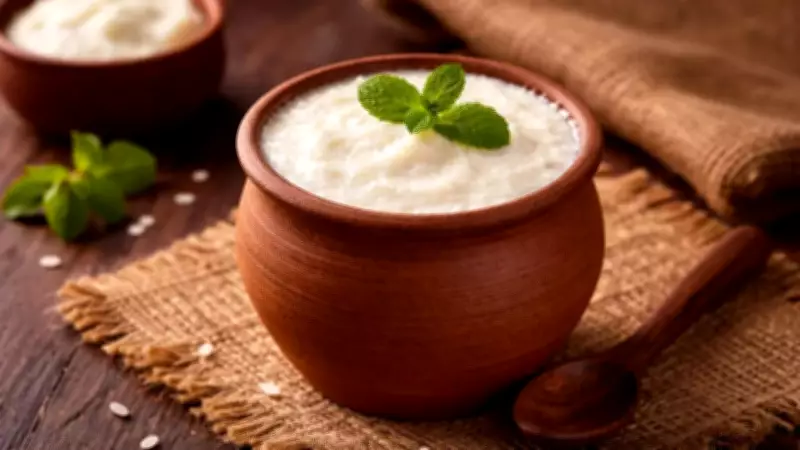
Why Curd Turns Sour Faster in Summer and How to Keep It Fresh
Curd is a staple food found in nearly every Indian refrigerator, commonly paired with rice, parathas, and light summer meals when heavy dishes become unappealing in the heat. However, as temperatures rise, a common kitchen issue emerges: curd that was mild and creamy overnight can turn noticeably sour by the next day.
The Science Behind Curd Fermentation
Curd is not a finished food product but rather a living substance containing beneficial bacteria. These microorganisms continue their activity even after the curd has formed, gradually producing more lactic acid over time. The fermentation process begins when bacteria interact with the natural sugars in milk, creating lactic acid that thickens the milk and imparts the characteristic tangy flavor.
This fermentation doesn't cease once the milk thickens. The bacteria persistently generate acid, which intensifies the flavor profile. During summer months, warmer temperatures accelerate bacterial metabolism, making the ideal survival conditions for these microorganisms. Consequently, curd prepared in the evening can become significantly more acidic by morning.

Practical Methods to Slow Down Souring
Refrigeration as Primary Solution
The most effective approach to control sourness involves keeping curd cool after it sets. Lower temperatures substantially reduce bacterial activity and slow further fermentation. According to guidelines from the Food Safety and Standards Authority of India (FSSAI), milk products require proper refrigeration under hygienic conditions to maintain quality and prevent spoilage.
Strategic placement within the refrigerator matters significantly. The middle shelf typically maintains cooler, more stable temperatures compared to door compartments, which experience temperature fluctuations whenever the refrigerator opens. Additionally, minimizing how frequently you remove curd from refrigeration helps, as repeated warming and cooling cycles can accelerate fermentation.
Container Selection and Storage Techniques
While many households store curd in the same stainless steel or plastic bowls used for setting, kitchen experts often recommend glass containers. Glass materials don't react with food, maintain cold temperatures effectively, and help preserve curd's natural flavor profile.
Equally important is ensuring containers remain tightly sealed. Open containers allow air infiltration and expose curd to other refrigerator odors. Curd possesses remarkable absorption properties and can easily adopt surrounding smells, potentially altering its flavor while gradually losing moisture that affects texture.
Traditional Kitchen Wisdom
Beyond modern refrigeration, traditional practices offer supplementary solutions. One widespread home remedy involves placing a small piece of dried coconut inside the curd container. Many households believe this technique slows souring and produces milder-tasting curd, particularly during summer months. While scientific research on this method remains limited, it represents a common kitchen tradition passed through generations.
Salvaging Overly Sour Curd
Even with proper storage, curd may occasionally develop excessive sourness. In such situations, you can moderate the flavor by adding chilled boiled milk to the curd. This dilution reduces sharpness and creates a milder taste profile, though it doesn't halt the ongoing fermentation process.
As a living food substance, curd naturally evolves in flavor over time, with changes occurring more rapidly during summer than winter. However, implementing these straightforward practices can significantly decelerate this transformation, allowing you to enjoy fresh-tasting curd throughout even the hottest summer periods.

