

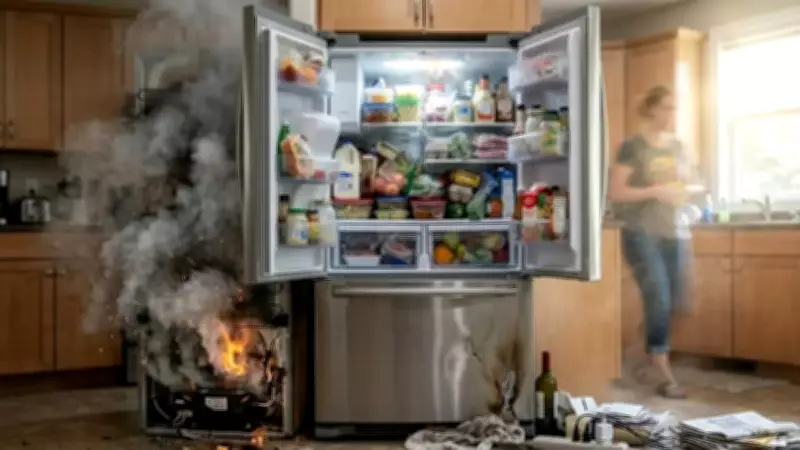
Summer Fridge Warning: Avoid These Mistakes to Prevent Compressor Overheating and Blasts
When summer temperatures rise, your refrigerator faces increased strain as it works harder to maintain safe food storage temperatures. This extra load can cause the compressor to overheat, leading to mechanical failure or, in rare cases, a catastrophic pressurized explosion. Ensuring adequate ventilation and proper maintenance is crucial for the long-term safety and efficiency of your cooling system. Understanding heat pump operation and refrigerant cycles can help prevent your refrigerator from becoming a fire hazard. This guide provides evidence-based recommendations to keep your fridge running smoothly during the peak summer months.
Provide Adequate Distance from the Wall
Many people place their refrigerators against the wall to save kitchen space, but this practice can "choke" the compressor. To avoid this, pull your refrigerator back at least 4 to 6 inches from the back wall. This creates a "chimney effect," allowing hot air to rise and escape. If hot air is trapped, the compressor operates under excessive strain, increasing the risk of burnout.
Set the Temperature Correctly
While it might seem logical to use the "maximum cold" setting during extreme heat, this is a common mistake. Instead, keep your refrigerator at a medium setting, around 3 to 5 degrees Celsius. Setting it to the coldest level causes the compressor to run continuously without rest, leading to overheating and potential failure.

Listen for Warning Sounds
Refrigerators often emit audible signs before a breakdown. Pay attention to consistent clicking noises every few minutes, especially if the fridge isn't cooling properly. This may indicate an overheating start relay. If you hear this, turn off the refrigerator for thirty minutes to let the motor cool down, then restart it. Persistent clicking requires a technician's inspection to prevent compressor damage.
Clean the Cooling Coils Regularly
Dust accumulation on the cooling coils acts like insulation, trapping heat and forcing the compressor to work harder. Unplug your refrigerator and check the back or bottom front behind the grill. Use a vacuum or long-handled brush to remove dust and pet hair. This simple cleaning can reduce the compressor's workload by up to 25%, enhancing efficiency and safety.
Check the Door Seal
A loose door seal allows cold air to escape, making the refrigerator compete against summer heat. Test the seal by closing the door on a currency note and trying to pull it out. If it slides out easily, the rubber gasket isn't sealing tightly. Clean the gasket with warm, soapy water to remove grease. If issues persist, apply a small amount of Vaseline to help it adhere better to the metal frame.
Avoid Overstuffing the Refrigerator
Never fill your refrigerator beyond 70% of its capacity. Cold air needs to circulate freely, like water. Blocking vents with large pots or plastic bags creates hot spots and reduces airflow, forcing the compressor to work harder even when the fridge is full of cold items. Maintaining proper space ensures efficient cooling and prevents overheating risks.

