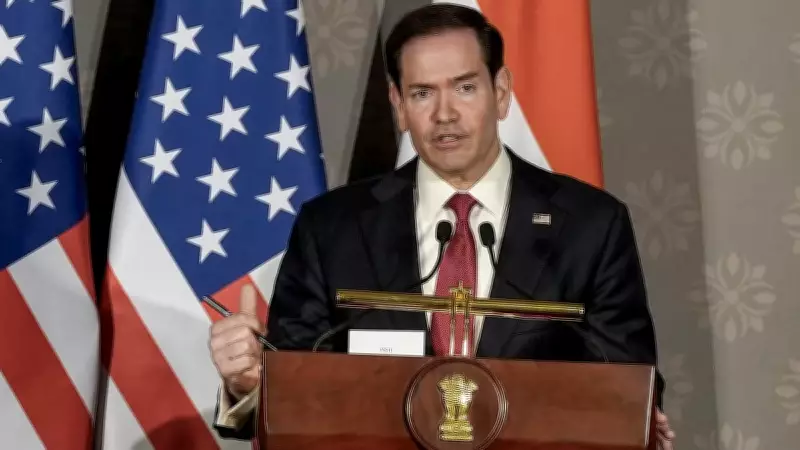
United States Secretary of State Marco Rubio has declared that the Strait of Hormuz, a critical maritime passage for global oil shipments, must remain open one way or the other in the wake of recent US military strikes against Iran. Speaking to reporters, Rubio underscored the strategic importance of the waterway and warned that any disruption would have severe consequences for the global economy.
Strategic Importance of the Strait of Hormuz
The Strait of Hormuz, located between Oman and Iran, is a vital chokepoint through which about 20% of the world's oil passes. Its closure could trigger a sharp spike in energy prices and destabilize global markets. Rubio's comments come after the US launched airstrikes on Iranian targets in response to alleged provocations, raising tensions in the region.
Rubio's Statement
Rubio stated, The Strait of Hormuz has to be open, one way or the other. He emphasized that the United States is prepared to take necessary actions to ensure the free flow of commerce, though he did not specify what measures might be taken if Iran attempts to block the strait. The remarks signal a firm US commitment to maintaining maritime security in the Persian Gulf.

Regional Implications
The US strikes have heightened fears of a broader conflict in the Middle East. Iran has previously threatened to close the Strait of Hormuz in response to sanctions or military action. Analysts warn that any escalation could draw in other regional powers and disrupt oil supplies, impacting economies worldwide.
Global Reaction
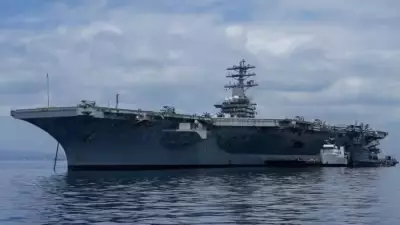
International leaders have called for restraint, urging both sides to de-escalate. Oil prices have already risen following the strikes, and market volatility is expected to continue. The US has also increased naval presence in the region to deter any potential blockade.
Rubio's comments reaffirm Washington's stance that the strait's accessibility is non-negotiable. The situation remains fluid, with diplomatic efforts underway to prevent further confrontation.