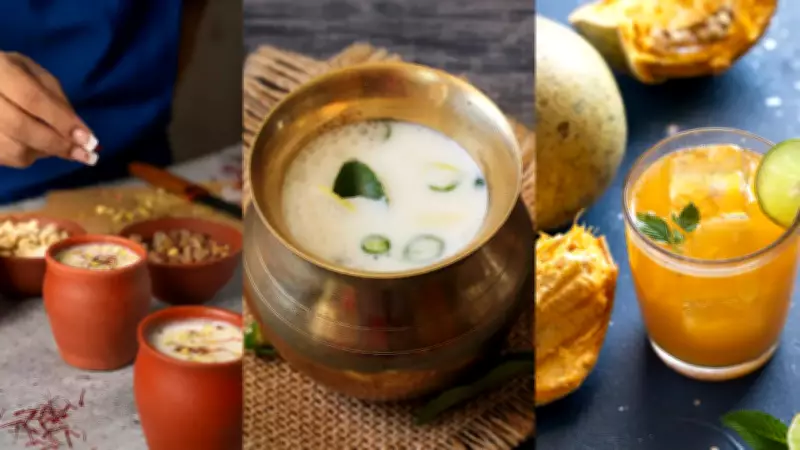
7 Traditional Indian Summer Drinks That Cooled Generations Before Refrigerators
Long before the gentle hum of electric mixers filled modern kitchens and chilled soda bottles lined refrigerator shelves, Indian households possessed an elegant, time-tested solution to combat the relentless summer heat. These ingenious families turned to ingredients readily available in their own homes: fresh milk, creamy curd, earthy jaggery, aromatic herbs, nutritious seeds, warming spices, seasonal fruits, and pure water. The resulting beverages were far more than mere refreshments; they represented practical, seasonal, and profoundly local wisdom, shaped by the intuitive logic of traditional kitchens that mastered the art of cooling the human body without a single watt of electricity.
These cherished drinks were served in humble clay tumblers, gleaming brass glasses, and simple steel vessels, each beading with condensation under the intense afternoon sun. Some were ceremoniously shared with honored guests, others lovingly prepared for children, and a few were treated with the reverence of medicinal tonics. Every single one carried the same vital promise: immediate relief, bodily restoration, and a precious, cooling respite from the punishing intensity of the Indian summer. Here, we explore seven traditional Indian summer drinks that families relied upon for generations, long before refrigerators became a staple of everyday life.
1. Aam Panna: The Tangy Mango Elixir
Made from tart raw mangoes, aam panna stands as one of India's most beloved summer beverages because it accomplishes multiple feats simultaneously. It effectively cools the body, stimulates the appetite, and delivers the uniquely sharp, tangy flavor profile that only unripe green mangoes can provide. In countless households, its preparation traditionally heralded the joyous arrival of the mango season itself.

Traditional Preparation: Boil or roast two to three raw mangoes until they become tender. Allow them to cool, then peel the skin and carefully extract the pulp. Blend this pulp with roasted cumin powder, black salt, regular salt, a small amount of jaggery or sugar, fresh mint leaves, and cold water. Strain the mixture for a smoother texture if desired. Serve it as chilled as possible. The final taste should be vibrant, distinctly tart, and delicately spiced.
2. Nimbu Shikanji: The Homemade Lemonade Staple
Before commercial, packaged lemonade dominated the market, shikanji served as the quintessential Indian summer staple, offering far more character and customization. It was freshly made at home, adjusted to individual taste preferences, and served immediately, often with just enough spice to accentuate its refreshing chill.
Traditional Preparation: Squeeze the juice from two lemons into a glass or jug. Add sugar or jaggery, black salt, a pinch of roasted cumin powder, and chilled water. Stir vigorously until the sweetener completely dissolves. For added depth, crush a few fresh mint leaves into the mix. A small amount of ginger juice can also introduce a welcome, spicy bite. This remains the simplest drink on the list and arguably one of the most effective.
3. Chaas: The Soothing Buttermilk Ritual
In many traditional Indian homes, chaas transcended being merely a drink; it was a daily digestive ritual. Created from curd and water, it was the beverage mothers routinely offered after lunch, as it soothed the stomach and made the oppressive heat feel more manageable. Often flavored with cumin, curry leaves, or green chili, it carried the quiet, assured confidence of ancestral wisdom.
Traditional Preparation: Whisk one cup of plain curd with two to three cups of cold water until the mixture is smooth. Add salt, roasted cumin powder, and a handful of chopped coriander leaves. For a more aromatic version, temper mustard seeds, curry leaves, and a pinch of asafoetida (hing) in a little oil, then pour this tempering into the prepared chaas. Serve immediately. It should taste light, pleasantly salty, and clean.

4. Bel Sharbat: The Fragrant Wood Apple Tonic
Bel, commonly known as wood apple, is a fruit that seems almost purposefully designed for the summer months. Its thick, intensely fragrant pulp was traditionally transformed into a drink that families trusted for both comfort and aiding digestion. In earlier times, it was a seasonal favorite precisely because its special qualities did not depend on refrigeration.
Traditional Preparation: Crack open a ripe wood apple and carefully scoop out the pulp. Soak this pulp in water for approximately 15 to 20 minutes, then mash it thoroughly by hand or with a spoon. Strain out any coarse fibers if necessary. Add jaggery or sugar, a pinch of black salt, and additional water to achieve a drinkable consistency. Stir well and serve. The resulting flavor is uniquely musky, sweet, and deeply evocative of Indian tradition.
5. Jaljeera: The Zesty and Spicy Refresher
Jaljeera was the sharp, lively member of the summer drink family. Spiced, sour, and intensely refreshing, it was commonly served before meals or during languid hot afternoons when the body felt heavy and lethargic from the heat. It possessed the vibrant personality of a street-side beverage, even when meticulously prepared in a home kitchen.
Traditional Preparation: Blend water with roasted cumin powder, black salt, fresh mint, coriander, a little ginger, lemon juice, and a touch of tamarind pulp for extra tang if desired. Adjust the sweetness with sugar or jaggery as needed. Strain the mixture for a smoother drink. The final result should be zesty, savory, and unmistakably cooling.
6. Thandai: The Festive, Nutritious Milk Concoction
While thandai is most famous for its association with the Holi festival, it has long served as a cherished summer drink in North Indian households. Here, milk was enriched with nuts and spices to make it more nourishing and sustaining during the heat. It was festive, fragrant, and typically prepared with great care and attention.
Traditional Preparation: Soak almonds, cashews, melon seeds, and poppy seeds in water for several hours. Grind them into a smooth paste along with cardamom, fennel seeds, black pepper, rose petals (if available), sugar, and a little milk. Mix this aromatic paste thoroughly into chilled milk. Strain if a smoother texture is preferred. Serve cold. Thandai tastes like a celebration captured in a glass.
7. Sattu Sherbet: The Rustic, Earthy Power Drink
Sattu, the roasted gram flour cherished across Bihar, Jharkhand, and Uttar Pradesh, has been a summer hero for generations. It is filling, economical, and naturally cooling, which is why it was often mixed into a simple, hydrating drink during scorching afternoons, particularly in working-class households.
Traditional Preparation: Add three to four tablespoons of sattu to a glass. Gradually mix in cold water to prevent lump formation. Incorporate roasted cumin powder, black salt, a squeeze of fresh lemon juice, and chopped coriander or mint. Some regional variations include stirring in a little finely chopped onion for a savory twist. Drink it immediately while fresh, as sattu tends to settle. It is a rustic, earthy, and surprisingly satisfying beverage.
These seven traditional drinks are a testament to the ingenious culinary heritage of India, offering natural, flavorful, and effective ways to beat the heat—a wisdom perfected long before the age of modern appliances.