UP Diwas Celebrations Spotlight Generational Culinary Heritage Through One District One Cuisine
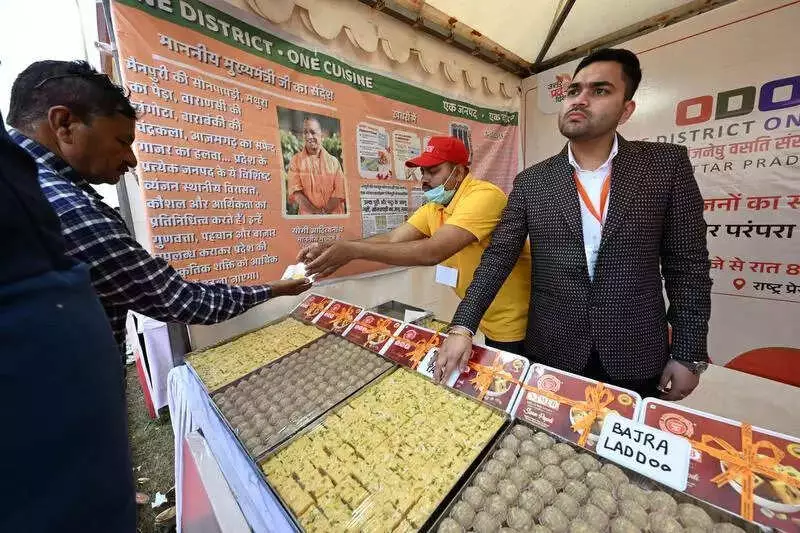
The vibrant flavors and rich memories passed down through generations took center stage at the One District One Cuisine (ODOC) pavilion, set up at Rashtra Prerna Sthal in Lucknow as part of the three-day Uttar Pradesh Diwas celebrations. This cultural and tourism initiative, officially launched on Saturday, aims to promote the diverse traditional food heritage of Uttar Pradesh by showcasing a signature dish from each district, reflecting its unique history, local ingredients, and culinary traditions.
Preserving Legacy and Fostering Economic Growth
Each stall at the ODOC pavilion represents more than just food; it tells stories of legacy, migration, resilience, and new aspirations. The initiative is designed to help scale up local businesses and generate employment, providing a platform for artisans and entrepreneurs to connect with a wider audience. By highlighting traditional dishes, ODOC seeks to preserve culinary heritage while encouraging economic development across the state.
Generational Entrepreneurs Share Their Journeys
Kshitij Swaroop, a fifth-generation entrepreneur from Mainpuri, shared his family's century-old legacy of selling soan papdi. "We are a 125-year-old entity employing 200 people, and ODOC has given us a chance to think bigger," he said. His family is also involved in a national campaign to promote millets through bajra laddus, showcasing how traditional practices can align with modern health trends.

From Hapur, Raju Parekh represents his great-great-grandfather's brand, Pandit Gangajali Papadwale, launched in 1851. His ancestor migrated from Rajasthan and rebuilt his life after a dispute with a regal employer. Parekh emphasized the alignment of their women-led home production with the Modi-Yogi government's focus on women empowerment. "The platform helps us connect with Gen Z. We want them to know that papad is a far healthier fast food, ready in 20 seconds, quicker than instant noodles," he added.
Unchanged Recipes and Expansion Dreams
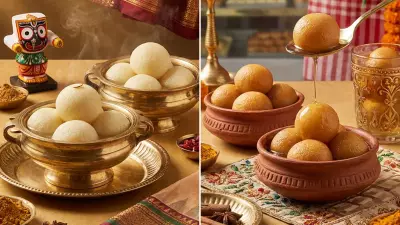
The famed imarti of Beniram Debi Prasad from Jaunpur, started in 1855 by brothers Beniram and Debi Prasad, was presented by fifth-generation owner Ashish Gupta. He noted that the recipe has remained unchanged for nearly 170 years. "That's why our imarti melts in the mouth. The scheme will help us reach connoisseurs in many other cities," Gupta explained, highlighting how ODOC can facilitate wider market access.
Unnao's representation came through gulab jamun from Chaklavan village, which proved to be a crowd favorite. Vivek Kumar, who runs the stall, sees the initiative as a way to secure the future for his son Aditya. The younger entrepreneur, Aditya, views ODOC as a launchpad for expansion. "People often fear losses and liabilities while thinking of scaling up, but official patronage reduces the risk significantly. I will now give my dreams a shot," he said.
Promoting Nutritional Staples and Comfort Foods
Chandauli showcased its nutritionally rich black rice through the Chandauli Kala Chawal Krishak Samiti, a farm producer organization. Member farmer Ram Asrey Kumar Pal expressed hope that the scheme would help small farmers find more takers and better markets for their produce.
Gorakhpur's Gangadhar Dubey promoted baati chokha as a comfort food, noting that the initiative would strengthen his franchise model. "I returned home during the pandemic after working in Bengaluru. This Purvanchal staple has the power to win hearts, and ODOC will make the journey easier," he shared, underscoring the emotional and economic impact of such platforms.
A Diverse Array of Traditional Delicacies
The ODOC pavilion also featured a wide variety of other traditional dishes, including:
- Agra ka petha
- Mathura ka peda
- Farrukhabad ki dalmoth
- Pratapgarh's amla burfee and laddus
- Pickles from Kanpur
- Gazak from Meerut
- Revdi from Lucknow
This diverse showcase not only celebrates Uttar Pradesh's culinary richness but also reinforces the state's commitment to preserving and promoting its food heritage for future generations.