

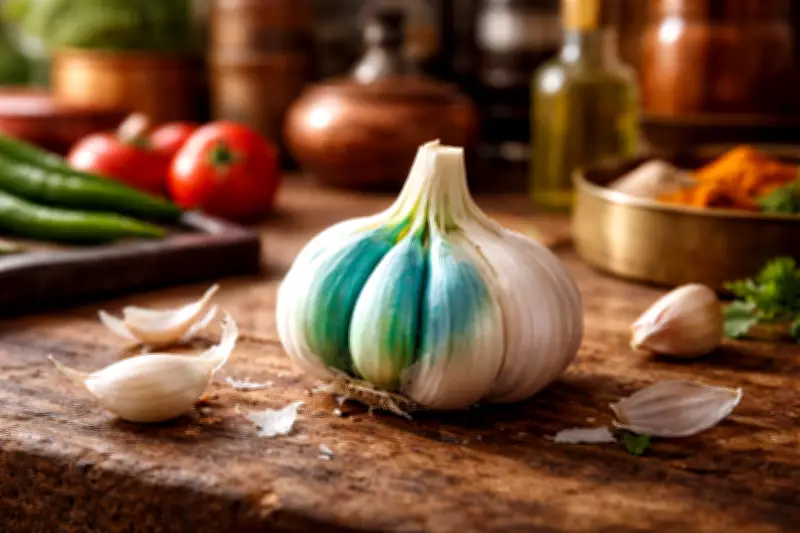
The Surprising Science of Color-Changing Garlic
Garlic stands as one of those foundational ingredients that most cooks assume will behave predictably. You slice it, crush it, sauté it in hot oil, or immerse it in pickling brine, expecting it to perform its aromatic duties without drama. Yet occasionally, this humble bulb delivers an unexpected visual twist. A pristine ivory-white clove can gradually transform into shades of green or even blue, casting an unusual hue over your dish that prompts immediate concern. For countless home chefs, this color shift triggers alarm: has something gone wrong? The truth unfolds through a captivating exploration of kitchen chemistry, revealing precisely why this metamorphosis occurs and what it genuinely signifies for your culinary creations.
Understanding the Chemical Reaction Behind the Color Change
The transformation in garlic's color emerges when its natural compounds interact under specific environmental conditions. In acidic preparations, such as vinegar-based pickles, garlic may adopt blue or purple tones because pigments known as anthocyanins alter their coloration in response to acidity. Additional factors heighten this reaction's likelihood. Immature, sprouting, or older garlic cloves possess a greater propensity for discoloration. Furthermore, trace metals present in cookware, water sources, or plumbing systems can contribute to greenish hues. Food science research elaborates that enzymatic processes drive these changes, particularly reactions between garlic's inherent sulfur compounds—alliin and the enzyme alliinase—which can generate green pigments through natural biochemical pathways.
Safety and Health Implications of Discolored Garlic
Is green or blue garlic safe to consume? Absolutely. Extension services and agricultural authorities provide clear guidance: garlic that turns blue, green, or bluish-green due to these chemical reactions remains entirely safe to eat. Michigan State University explicitly states this presents "not a safety concern," while the University of California's Agriculture and Natural Resources division confirms the garlic retains its edibility post-color shift. The alteration is primarily cosmetic, though it may indicate the garlic was harvested prematurely or that recipe conditions were particularly reactive.

What does this mean for your health? The color change itself does not render garlic harmful. However, garlic's broader health profile warrants nuanced consideration. According to the U.S. National Institutes of Health's National Center for Complementary and Integrative Health, garlic supplements might modestly reduce LDL cholesterol, slightly lower blood pressure, and offer mild blood sugar reduction benefits for individuals with diabetes. Simultaneously, the NCCIH notes potential side effects including breath and body odor, abdominal discomfort, gas, nausea, and allergic reactions. Garlic supplements could also elevate bleeding risks or interact with medications like anticoagulants and aspirin.
This distinction proves crucial: green or blue garlic in everyday cooking typically poses no harm, whereas garlic consumed in large medicinal doses or as supplements demands greater caution. In culinary contexts, the color transformation does not signal toxicity or spoilage. From a health perspective, it serves as a reminder that garlic functions as a biologically active food, not merely a flavoring agent.
Practical Tips to Minimize Garlic Discoloration
If you wish to avoid color changes in your dishes, food science experts recommend several strategies. Opt for fresh, mature garlic cloves, especially when preparing pickles or acid-heavy recipes. Older or sprouting garlic exhibits higher susceptibility to discoloration. Additionally, certain water compositions or metal exposures can accentuate the effect. The fundamental takeaway remains straightforward: blue or green garlic might appear unusual, but it generally results from natural interactions between garlic's compounds and its culinary environment. In most home kitchens, such garlic remains perfectly safe to serve and consume.

Three Delicious Applications for Garlic in Your Cooking
Garlic accomplishes far more than simply seasoning a dish. It can anchor entire recipes, sharpen sauces, and elevate simple meals into deeply satisfying culinary experiences. If you have cloves on hand, consider these three straightforward methods to harness their potential.
Chilli Garlic Noodles
Chilli garlic noodles demonstrate how garlic can carry an entire meal. Sauté minced garlic in oil until fragrant, incorporate chilli flakes or fresh chillies, then toss with cooked noodles alongside soy sauce, a dash of vinegar, and a hint of sesame oil. The outcome delivers bold, rapid preparation brimming with heat and flavor.
Garlic Butter Mushrooms
This dish showcases garlic's gentler, aromatic qualities. When cooked slowly in butter or olive oil, garlic mellows and infuses mushrooms with a rich, savory glaze. A squeeze of lemon juice and a sprinkle of fresh herbs can transform the preparation into something remarkably luxurious despite its simple ingredients.
Roasted Garlic Pasta
Pasta epitomizes comfort food, and slow-roasted garlic enhances it beautifully. Roasted garlic becomes sweet and almost creamy, blending seamlessly into a straightforward pasta sauce with olive oil, Parmesan cheese, and black pepper. This dish evokes rustic warmth and subtle indulgence.
