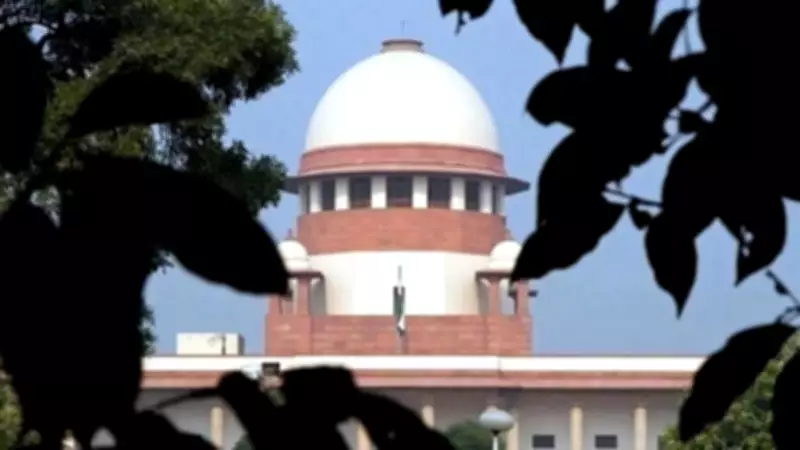
The Supreme Court on Tuesday issued a notice to the Central government in response to a plea highlighting the prolonged vacancies in the Income Tax Appellate Tribunal (ITAT). The apex court expressed surprise that these posts have remained unfilled for an extended period and assured the petitioner that it would look into the matter on the administrative side.
Court's Reaction and Assurance
A bench comprising the Chief Justice of India and another judge was hearing the plea filed by former Attorney General Mukul Rohatgi. Rohatgi argued that the vacancies in the ITAT were hampering the efficient disposal of tax-related cases, causing undue hardship to taxpayers. The court noted that it was taken aback by the delay and promised to examine the issue internally.
Impact on Tax Dispute Resolution
The Income Tax Appellate Tribunal is a quasi-judicial body that hears appeals against orders passed by the Income Tax Department. With a significant number of vacancies, the tribunal's functioning has been severely affected, leading to a backlog of cases. Legal experts have pointed out that this situation undermines the principle of speedy justice and adds to the litigation burden on taxpayers.

Government's Stance
The Centre has been asked to file its response within four weeks. The government is expected to explain the reasons behind the delays in filling these posts and outline the steps being taken to expedite the process. The court has made it clear that it expects a proactive approach from the administration to resolve the issue.
Broader Context of Judicial Vacancies
This case is part of a larger concern over vacancies in various tribunals and courts across the country. The Supreme Court has previously taken suo motu cognizance of delays in judicial appointments and has been actively monitoring the situation to ensure timely filling of vacancies. The ITAT case is likely to set a precedent for other tribunals facing similar challenges.
The next hearing is scheduled after the government's response is submitted. The court has indicated that it may consider issuing further directions to streamline the appointment process and prevent future delays.