8 Yellow Foods to Eat on Basant Panchami for Good Luck and Prosperity
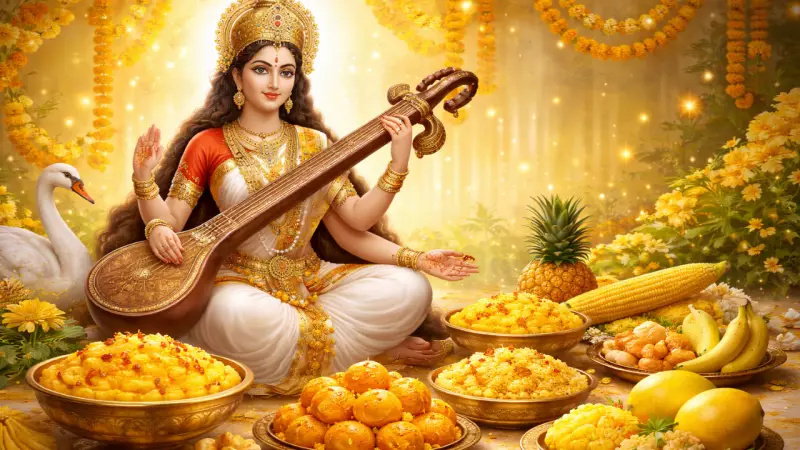
Basant Panchami, the vibrant festival heralding the arrival of spring, is much more than a seasonal celebration. It is a day dedicated to Goddess Saraswati, embodying light, learning, optimism, and fresh beginnings. The colour yellow takes centre stage during this auspicious occasion, symbolising knowledge, prosperity, positivity, and the warm embrace of the sun after the cold winter months.
Across North India, in particular, homes are adorned with yellow attire, marigold flowers, and an array of golden-hued dishes. Consuming yellow foods on Basant Panchami is a cherished tradition believed to invite good fortune, mental clarity, and abundance into one's life. Beyond their symbolic significance, many of these foods are seasonal, nourishing, and comforting, perfectly suited for the transition from winter to spring. Here are eight traditional yellow foods commonly enjoyed on Basant Panchami, along with the deeper meanings behind each.
1. Kesari Halwa
Kesari halwa, crafted from semolina, ghee, sugar, and saffron or food-grade kesar colour, stands as one of the most iconic Basant Panchami delicacies. Its rich golden hue mirrors prosperity and divine blessings. In numerous households, it is the first offering presented to Goddess Saraswati before being shared among family members. Ghee symbolises nourishment and strength, while saffron is associated with purity and spiritual upliftment. Eating kesari halwa on this day is believed to sweeten one's destiny and attract abundance.

2. Boondi Ladoo
Soft, fragrant, and generously soaked in sugar syrup, boondi ladoos are inseparable from Indian festivities. Their bright yellow colour derives from gram flour and a hint of turmeric or food colouring. On Basant Panchami, boondi ladoos represent joy, togetherness, and the sweetness of learning. Since Saraswati is the goddess of wisdom, offering something sweet symbolises the hope that knowledge and creativity flow easily and pleasantly through life.
3. Kesar Rice (Sweet Yellow Rice)
Sweet, flavourful yellow rice, often referred to as meethe chawal, is prepared with basmati rice, saffron, sugar, and dry fruits. Light, aromatic, and celebratory, it is especially popular in North Indian homes on Basant Panchami. Rice signifies sustenance and stability, while saffron elevates it to something sacred. Eating kesar rice is believed to bring harmony to the household and steady progress in studies and career.
4. Turmeric-Flavoured Khichdi
Simple yet powerful, yellow khichdi made with rice, lentils, turmeric, and ghee holds a special place in Indian ritual cuisine. Turmeric is considered purifying and protective in Ayurveda and Hindu tradition. On Basant Panchami, turmeric khichdi symbolises clarity, healing, and grounding. It is often prepared in temples and homes as a sattvic offering, believed to calm the mind and strengthen the body, making it perfect for a festival centred on learning and inner balance.
5. Besan-Based Dishes
Besan (gram flour) naturally carries a warm yellow tone and is widely utilised during Basant Panchami. From besan ladoos and burfi to savoury snacks like pakoras, it represents nourishment and resilience. Gram flour is associated with stability and energy, rendering it an ideal festival ingredient. Consuming besan-based foods on this day is believed to strengthen determination and attract steady success.
6. Corn Dishes (Makka)
Yellow corn, or makka, is another food aligned with the energy of Basant Panchami. Whether roasted, cooked into curries, or added to pulao, corn symbolises fertility and new beginnings. As spring marks the agricultural renewal cycle, eating corn honours nature's abundance. It is believed to invite growth, both material and intellectual, into one's life.
7. Pineapple-Based Desserts
Pineapple, with its bright yellow flesh and sweet-tangy taste, is often included in festive desserts like pineapple sheera or halwa. Its refreshing flavour reflects the playful, joyful spirit of spring. Symbolically, pineapple represents positivity and optimism. Incorporating it into Basant Panchami meals is thought to bring emotional balance and freshness of thought.

8. Yellow Fruits Like Mango and Banana
Ripe mangoes (where available) and bananas are simple yet meaningful additions to Basant Panchami offerings. Bananas are traditionally associated with wisdom and nourishment, while mangoes symbolise sweetness, fulfilment, and divine blessings. Offering and eating yellow fruits on this day is believed to enhance mental clarity and invite auspiciousness without excess or indulgence.
Embracing these yellow foods on Basant Panchami not only enriches the festive spirit but also connects devotees to deeper cultural and spiritual meanings, fostering a sense of prosperity and well-being.