

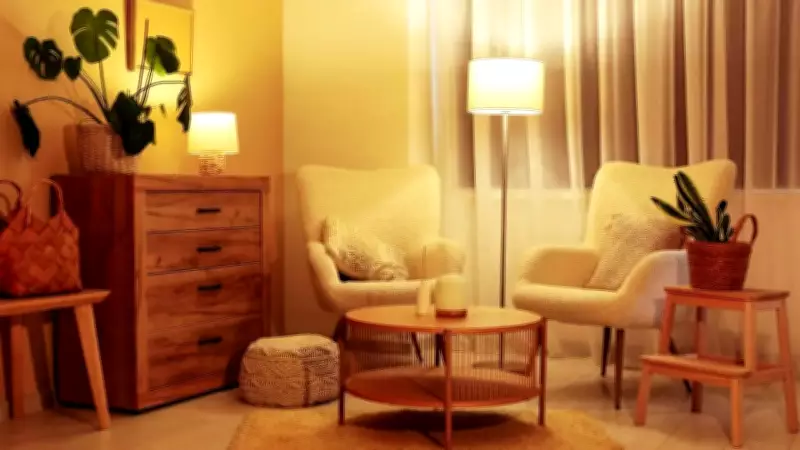
There is a certain excitement that comes with setting up a new home. After months of planning, paperwork, and waiting, furniture becomes the part where everything starts to feel real. It is also the stage where most decisions get made a little too quickly. What many people realize later is that furniture is not just about filling a space. It quietly shapes how you move, sit, rest, and use your home every single day, and when something is not thought through, it shows up in small, everyday discomforts.
The Shift in Home Design Thinking
It is not just about taste anymore; the way people think about their homes has completely shifted. Homeowners today are much more hands-on, often picturing exactly how a room should look long before they even move in. They are constantly saving references on Pinterest, putting together mood boards, and keeping a close eye on design trends. There is a very obvious move toward making a home feel personal and genuinely well-thought-out. At the same time, people are starting to realize that a good home is not just about the look; it is about how it actually functions day-to-day. No one picks out furniture just because it is pretty anymore. They are also looking at how it handles comfort and movement, a trend driven by the high-end housing category which has now surpassed the mid-end segment in total sales share. Since our homes now have to do everything, from being an office to a place for relaxing, furniture has become a core part of the planning process. A recent study by JLL highlights a strong shift toward flexible, modular, and adaptable interior design driven by hybrid living and space optimization.
Common Mistakes to Avoid
Nita Manohar, Director at Featherlite Home & Outdoor, says that this change has made people more design-conscious, but it has also made things a bit more impulsive. It is easy to get caught up in a great inspiration photo and make a quick decision without really stopping to think about how that space is going to be used in the long run. She lists some common mistakes people tend to make.

1. Buying for How It Looks, Not How It Feels
A sofa may look perfect in a showroom or in pictures, but what matters is how it feels after a long day. The depth of the seat, the back support, even the height, all of these affect daily comfort. Good furniture rarely reveals itself in the first five minutes. Most people remember how a piece looked when they bought it, but the reality hits after a few days. In a showroom, everything is set up to feel right. The lighting is softer, the space is open, and you only sit for a minute or two. That is not enough time to really understand anything. At home, it is different. You do not use furniture in moments; you use it for hours. That is when things start to show up. How your back settles. Whether you keep shifting without realizing it. Whether you feel supported or just adjust around it. Comfort does not reveal itself instantly. It builds over time. And that is exactly where most decisions start going wrong. What feels fine in the beginning slowly turns into something you keep adjusting to every day.
2. Getting the Scale Wrong
Scale is one of those things you do not really get right on paper. Everything can look fine in a plan. The sofa fits, the table fits, there is enough space around it. But once you start living there, it feels different. You notice it when you walk past the sofa and have to turn your body a bit, or when the table edge is just slightly in the way, so you keep brushing against it or taking a longer route without thinking about it. Nothing feels obviously wrong, but it is not effortless either. And then there is the opposite: when things are a little too small. The room does not feel empty, just off. Like it has not settled properly. You cannot always point to what is missing, but you feel it. It really comes down to how the space behaves when you are using it every day. Whether you can move around without thinking, sit where you want, pause where you want. When the scale is not right, the space starts interrupting you in small ways.

3. Not Thinking About How the Space Will Be Used
Most people have a clear idea of how they want a room to look, but not enough thought goes into how it will actually be used. Over time, every home settles into patterns. A corner becomes a work spot, a chair turns into a place to drop things. A table starts doing more than it was meant to. These things do not get planned; they just happen. When furniture is chosen without thinking about this, it starts to feel restrictive. You end up adjusting your habits around the space instead of the space supporting your routine. The gap between how a space is imagined and how it actually functions is where discomfort slowly builds.
4. Ignoring Ergonomics, Especially for Work Setups
What feels manageable at first does not always stay that way. Sitting a little lower than you should, leaning forward slightly, shifting your posture again and again. None of it feels like a problem in the beginning. But repeat it every day, and it adds up. The body adjusts quietly before it starts reacting. That is why it often gets ignored while setting up a home. It does not feel urgent. But over time, it becomes one of the first things you start noticing. Not as discomfort at first, but as fatigue that builds through the day. And once that sets in, it is hard to ignore.
5. Choosing Materials Without Understanding Them
A lot of furniture can look the same when you first see it. Clean lines, good fabric, everything seems in place. But that first impression does not tell you how it is going to behave a few months down the line. A sofa might feel great in a showroom, but if the cushioning is not right, it starts sinking or losing shape sooner than you would expect. Some fabrics look polished and premium, but they do not hold up to daily use. Spills, movement, just regular life, they start showing wear pretty quickly. Even certain finishes, the ones that look smooth and refined, do not always handle friction or constant use very well. What usually gets overlooked is this: materials are not just about how something looks on day one. They are about how that piece lives with you over time. Things like support, durability, how a fabric ages, how a surface reacts to everyday use, that is what really decides whether something stays with you for years or needs replacing far too soon.
6. Not Factoring in Maintenance
Light colored fabrics, glossy finishes, or delicate surfaces may look appealing, but they require regular care. In homes with children or frequent use, this can quickly become difficult to manage. Some things feel like the right choice when you first see them. Clean finishes, light fabrics, smooth surfaces. Everything looks fresh and easy, but living with it is a different story. You start noticing how quickly marks show up. How often something needs wiping. How careful you have to be without even realizing it. It is not one big issue; it is small things adding up through the day. At some point, you are not just using the space; you are managing it. That is when it shifts. The home starts to feel like it needs effort to keep up, instead of just working in the background the way it should.
7. Trying to Finish Everything at Once
There is always this rush in the beginning. You want the house to feel done, settled, complete. So most decisions happen quickly. You fill the space, tick things off, move on. But a home does not really come together like that. It takes time to understand what works and what does not, which corner you end up using more, which room changes purpose without you planning it. That only becomes clear after you have lived in it for a while. When everything is decided too early, there is no room to rethink anything later, and that is when a few pieces start to feel unnecessary or slightly out of place. Taking a bit more time usually leads to choices that feel more natural, because they come from how you actually live, not how you imagined you would.
8. Overlooking Flexibility
The way you use your home does not stay the same for long. What feels fixed in the beginning slowly shifts. A room takes on a second role. A piece of furniture ends up being used differently than you expected. If everything is too fixed, it becomes harder to adjust. Something that serves only one purpose can start to feel limiting once your routine changes. You find yourself working around it instead of it working for you. What holds up better are pieces that can adapt a little. Not in a dramatic way, just enough to keep making sense as things change.
9. Following Trends Too Closely
Trends can be inspiring, but they do not always translate well into everyday living. What looks good in a catalogue or on social media may not suit every home or lifestyle. Furniture tends to stay longer than trends do. It is easy to get pulled toward what looks good right now. You see a space that stands out, and it feels like something you want to bring into your own home. Certain finishes, certain layouts, certain styles. They catch your attention immediately. But living with it every day is a different experience. What works in a photograph does not always feel right over time. Some choices start to feel dated faster than you expect. Others just do not hold up in daily use. Open shelving in kitchens became very popular for a while. It looked light, minimal, easy, everything within reach, everything on display. But in most homes, it did not stay that way for long. Dust, grease, daily use. Shelves that looked clean in the beginning slowly became harder to manage. What felt open and effortless started to feel high-maintenance. Many people went back to closed storage, not because the idea was wrong, but because it did not match how the space was actually used every day.
10. Not Aligning Choices with Lifestyle
Most decisions are made before life has really settled into the home. It is only after some time that patterns start to show up: where you naturally sit the longest, where things get placed without thinking. Which areas you keep going back to, and which ones you barely use. None of this is planned. It just happens. When the space does not account for these patterns, things start to feel slightly off. Nothing major. Just small adjustments. Moving things around. Avoiding certain spots. Finding workarounds. Over time, those small mismatches build up. A well-thought-out home is not about getting everything perfect in the beginning. It is about understanding these everyday habits early enough to design around them.
Conclusion
What has changed over the years is not just the variety of furniture available, but the way homes are being used. Spaces are becoming more flexible, and furniture is expected to do more than just occupy space. In that sense, buying furniture is less about completing a home and more about understanding how you want to live in it. Taking a little more time, asking the right questions, and focusing on everyday use rather than just the first impression can make a significant difference. Because once the excitement of moving in settles, it is these small decisions that define how comfortable a home really feels.
