

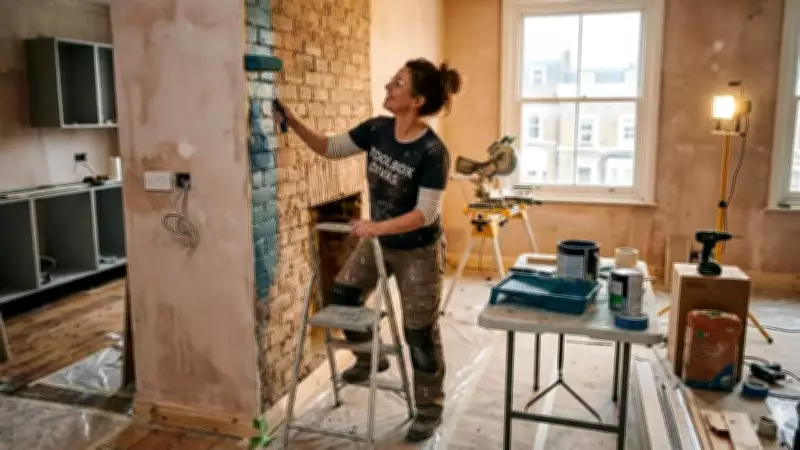
Apartment renovations often begin with a simple idea and gradually become much larger expenses. A fresh coat of paint leads to new flooring; old cabinets start to look worn beside updated walls, and electrical fittings that once seemed acceptable suddenly feel outdated. In apartment buildings, costs can rise even faster because of labour restrictions, shared infrastructure, and delivery limitations. Much of the overspending happens quietly through rushed decisions rather than major luxury purchases. Small layout changes, unnecessary demolition work, and last-minute material replacements usually push budgets higher than expected. Still, reducing renovation costs does not always require cutting quality. In many cases, careful planning, practical upgrades, and controlled spending choices make a noticeable difference without changing the overall result of the apartment.
Apartment renovation on a budget: 10 smart tricks that save you thousands
1. Avoid changing the apartment layout
Moving kitchens, bathrooms or electrical points often becomes one of the most expensive parts of a renovation. Keeping plumbing and wiring in their existing positions reduces labour costs, material waste and repair work. Many apartments can look significantly different without altering the basic floor plan.
2. Break the renovation into smaller phases
Trying to complete the entire apartment at once usually puts pressure on the budget. Splitting the renovation into stages allows spending to remain manageable. Kitchens and bathrooms are often prioritised first because they involve heavier structural and plumbing work than bedrooms or living spaces.

3. Compare multiple contractor estimates
Labour costs vary widely between contractors, even for similar work. Getting multiple quotations helps identify inflated pricing and unnecessary additions. The cheapest option is not always practical, though unusually high estimates often include work that may not actually be required.
4. Reuse what is already in good condition
Cabinets, doors, shelves and wooden frames can often be repaired or refinished instead of replaced entirely. Many renovation budgets increase because functional items are discarded too early. Small repairs and repainting frequently cost far less than complete replacement.
5. Finalise decisions before work begins
Mid-project changes usually increase both labour and material expenses. Replacing tiles after installation begins or altering layouts during construction often leads to delays and wasted supplies. Finalising colours, fittings and finishes before work starts keeps spending more predictable.
6. Pick durable materials instead of expensive trends
Highly fashionable materials often cost more without lasting longer. Simple flooring, neutral tiles and standard fittings are usually easier to maintain and replace later. Renovations focused on durability tend to reduce long-term repair and maintenance expenses as well.
7. Use paint to refresh the space affordably
Fresh paint changes the appearance of an apartment faster than most structural upgrades. Repainting walls, cabinets or old furniture can improve the space without major demolition work. Neutral shades also make older interiors appear cleaner and brighter with relatively low spending.
8. Reduce dependence on custom-made furniture
Custom-built furniture increases carpentry costs and extends project timelines. Ready-made storage units and modular fittings are often cheaper while still fitting smaller apartments effectively. Many homeowners reduce costs substantially by mixing customised pieces with standard furniture.
9. Keep extra funds aside for hidden repairs
Unexpected repair work appears in many renovations, especially in older apartments. Hidden leaks, damaged wiring or uneven walls may only become visible once construction begins. Setting aside extra funds early helps prevent sudden financial pressure later in the project.
10. Spend more on function than decoration
Not every renovation needs decorative ceilings, designer lighting or expensive wall textures. Practical improvements such as storage, ventilation, lighting efficiency and durable flooring often provide more long-term value. Smaller functional upgrades usually keep the renovation balanced without overspending.

Ready to Make a Smarter Property Decision? Build Your Legacy with TOI Homes.
About the Author: TOI Lifestyle Desk. The TOI Lifestyle Desk is a dynamic team of dedicated journalists who, with unwavering passion and commitment, sift through the pulse of the nation to curate a vibrant tapestry of lifestyle news for The Times of India readers. At the TOI Lifestyle Desk, we go beyond the obvious, delving into the extraordinary. Consider us your lifestyle companion, providing a daily dose of inspiration and information. Whether you're seeking the latest fashion trends, travel escapades, culinary delights, or wellness tips, the TOI Lifestyle Desk is your one-stop destination for an enriching lifestyle experience.
