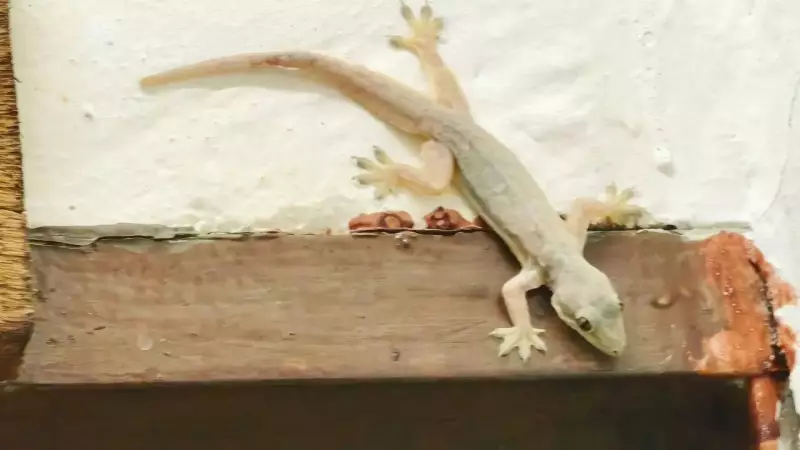
For many households across India, especially in warm and humid regions, uninvited lizard guests are a common and unsettling problem. These reptiles are often drawn indoors in search of insects, moisture, and quiet hiding spots. While chemical repellents exist, a growing number of families are turning to safer, natural alternatives that pose no risk to children and pets. A strategic selection of plants can create a gentle yet effective barrier, making your home less inviting to lizards while enhancing its greenery.
How Do Plants Naturally Deter Lizards?
Lizards rely heavily on their sense of smell and environmental comfort. Strong, pungent aromas from certain plants can overwhelm their senses, making areas unpleasant for them to inhabit or traverse. Furthermore, many of these fragrant plants also repel insects, effectively removing the primary food source that attracts lizards indoors in the first place. It's important to note that these plants do not harm lizards; they simply encourage them to move elsewhere. For the best results, healthy, well-cared-for plants produce stronger natural oils, enhancing their repellent properties over time.
1. Rosemary: The Aromatic Herb
Widely praised as an effective lizard deterrent, rosemary emits a strong woody scent that lizards find disagreeable. This versatile herb thrives in sunny spots, making it perfect for pots placed on balconies, windowsills, or near doorways. Beyond lizard control, rosemary serves as a handy kitchen herb and helps keep other pests at bay, offering multiple benefits for any home.

2. Peppermint: The Powerful Mint
The intense, refreshing smell of peppermint is another scent lizards actively avoid. The fragrance is most potent when the plant is healthy and well-watered. Peppermint grows rapidly and can be kept in pots near entry points, corners, or areas where lizards are frequently spotted. Regular trimming not only maintains the plant but also encourages the release of more scent, boosting its repellent effect.
3. Eucalyptus: The Strong-Scented Shrub
Eucalyptus plants contain potent natural oils that produce a powerful aroma, which is unappealing to lizards and many other creatures. Smaller varieties can be grown in containers in sunny outdoor locations. This strong scent doubles as an insect repellent, further reducing the likelihood of lizards venturing into the area. With adequate sunlight and occasional pruning, a eucalyptus plant remains a long-term, useful deterrent.
4. Pencil Cactus: The Structural Deterrent
The pencil cactus (Euphorbia tirucalli) discourages lizards through its unique structure and sap, which they find irritating. It is well-suited to warm climates and requires minimal watering. Its sap deters animals seeking shelter, but it should be handled with care. It is advisable to place this plant outdoors in gardens or on terraces and avoid direct contact with its sap.
Boost Your Defense with Companion Plants
For enhanced protection, consider adding lemongrass and garlic to your green arsenal. Lizards dislike the sharp, citrus-like fragrance of lemongrass, which grows well in both pots and garden beds. Garlic plants, when grown near access points, emit a strong odor from their soil and leaves that can also repel lizards. Combining these plants creates a more robust and layered natural barrier around your home's perimeter.
Using plants is a slow but consistent and eco-friendly strategy for lizard control. Success depends on placing the right plants in strategic locations—near doors, windows, balconies, and yard boundaries—and maintaining their health. When integrated with good practices like maintaining cleanliness and controlling insect populations, these plants offer an aesthetically pleasing and sustainable way to keep your home lizard-free.