

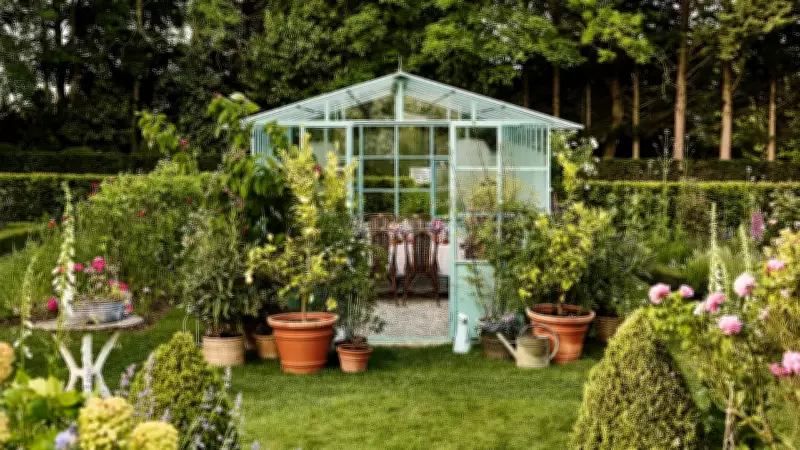
For as long as anyone can remember, British gardens have set the gold standard for lush, layered, and charming outdoor spaces. However, in 2026, a shift is underway. Gone are the days of fussy lawns and unnaturally neat flowerbeds. British gardeners are now embracing personality and purpose over perfect edges. Climate shifts, hotter summers, and water shortages have pushed gardeners to abandon tradition and get creative. The new direction features gardens that feel spontaneous and relaxed, doubling as spaces for wellness and wildlife. There is even a hint of nostalgia, as gardens that look and feel like your grandmother's are updated for modern life.
1. Rewilding
Nature is taking the lead in modern British gardens. Gardeners are letting parts of their yards grow wild, with patches of long grass, wildflower meadows, little ponds, and piles of logs for insects. The goal is a garden buzzing with life, not just trimmed hedges and empty lawns. Even simple actions, like leaving the mower in the shed for a few weeks and scattering wildflower seeds, can attract bees and birds. Adding a shallow water dish or a small woodpile makes your space wildlife-friendly.
2. Cottage Garden Revival
Modern gardeners want color, abundance, and a secret garden vibe. Instead of carefully separated flowerbeds, you will find roses tangled with foxgloves, lavender rubbing shoulders with daisies, and edible herbs blending in with blooms. Grab some vintage pots, mix roses and herbs together, or drape a trellis with morning glories. Cozy chaos is the name of the game.

3. Climate-Resilient Planting
With unpredictable weather now a given, gardeners are leaning into Mediterranean-style plants such as lavender, salvia, sedum, and anything tough enough to survive on less water. Swapping grass for gravel, grouping plants by watering needs, and filling pots with drought-hardy herbs not only saves water but also gives the place a laid-back, sun-baked look. It is both smart and beautiful.
4. Outdoor Garden Rooms
British outdoor spaces are no longer just for show; they are for living. Decks and patios are zoned for eating, reading, napping, or hanging out. Create cozy spots with a pergola or a cafe table and string lights, even if your plot is tiny. Breaking up your garden visually with planters or a change in ground covers makes it feel like a set of little rooms under the sky.
5. Foodscaping
Edible plants, herbs, and vegetables are moving out of hidden corners and into the front yard. Kale, rainbow chard, and strawberries are tucked between roses. Purple basil stands out as much as any flower. Even in small spaces, a container of thyme or a patch of mint on the balcony counts. Dwarf vegetables are especially popular for city gardeners.
6. Natural Materials
Forget sleek concrete and fake grass. The trend now goes back to basics with gravel paths, timeworn bricks, weathered wood, and rough stones that give gardens an earthy, calming feel. Even adding a few terracotta pots or a rustic bench can change the whole atmosphere, making it feel more like a lived-in retreat than a showroom.
7. Four-Season Planting
Finally, it is about keeping the garden interesting year-round. British gardeners are planting evergreens, layered grasses, and perennials so there is always something going on, even in winter. Hydrangeas, camellias, and ornamental grasses keep color and texture alive long after the summer roses fade. Whether you have a sprawling yard or a window box, there is something here for everyone. The best gardens, British or not, always reflect a bit of who you are.

