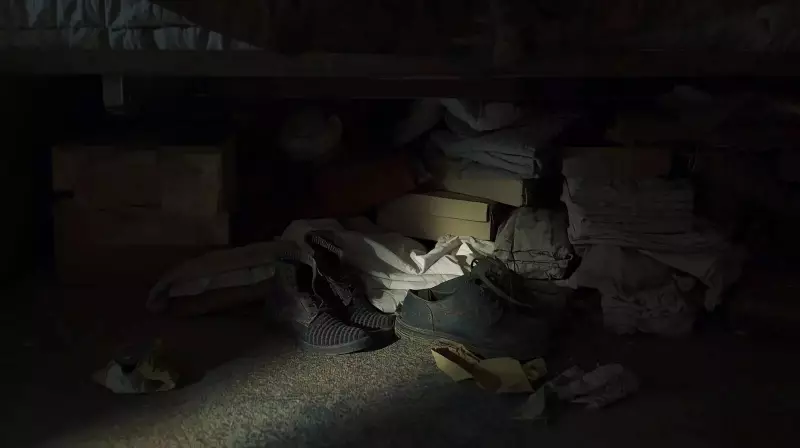
That shadowy space beneath your bed might seem like a perfect, out-of-sight storage solution, but it could be secretly harming your health and belongings. Unlike open shelves or cupboards, this low, dark area is a magnet for dust and pests, creating a hidden layer of problems in your bedroom. Many Indian households use it for overflow storage, but organising experts warn that it behaves very differently from the rest of the room due to poor airflow and neglect.
Why Under-Bed Storage Creates a Hidden Hazard
The design of a bed is the primary culprit. Beds sit low to the ground, severely blocking airflow. This stagnant environment allows dust to settle much faster than on open surfaces. Furthermore, small insects and pests find it easy to traverse the floor and settle in where they find materials like paper or fabric. The biggest issue is that items stored here are rarely checked, meaning damage from moisture, pests, or decay can go unnoticed for months or even years.
7 Items That Are Worst to Store Under the Bed
Before you slide another box out of sight, consider this list of common items that are better kept elsewhere in your home.

1. Paper and Cardboard: This includes old letters, books, photographs, and even empty shoe boxes. Paper products are a known attractant for insects like silverfish and cockroaches, which can slowly eat away or stain your precious memories. Cardboard breaks down easily in damp, dusty conditions.
2. Blankets and Spare Bedding: Loose textiles act like powerful dust magnets. Storing blankets, pillows, or quilts under the bed means they accumulate unseen particles that are only released when shaken out, potentially worsening allergies and respiratory issues over time.
3. Leather Goods: Leather needs a stable environment to maintain its quality. The dusty, dry microclimate under a bed can cause shoes, bags, and jackets to crack and fade prematurely. If storage here is unavoidable, a solid, sealed container is a must—not a fabric bag.
4. Heavy Items Like Large Suitcases: Storing bulky suitcases or spare mattresses under the bed is a practical risk. Lifting these heavy objects from a low position puts immense strain on your back and shoulders. They can also scrape your floors during removal.
5. Food of Any Kind: This is a critical rule. Even food sealed in cardboard or plastic can attract mice and insects, who can chew through packaging. Crumbs and lingering smells create a permanent invitation for pests into your sleeping area.
6. Electronics: Dust is the enemy of electronics. It can clog vents, interfere with moving parts, and cause devices with batteries to overheat. Storing gadgets like old laptops, consoles, or cameras in this warm, dusty space significantly increases their risk of malfunction.
7. Emotional Items or Unresolved Clutter: Some organisers highlight a less obvious danger: the psychological impact. Storing items tied to regret, past relationships, or pressure (like unused hobby kits) under where you sleep can subtly affect your sense of calm and rest.
Smart Alternatives for a Healthier Home
The ideal solution is to keep the under-bed area completely empty, promoting better airflow and a cleaner, calmer bedroom. If you must use the space, opt for clear, airtight plastic containers with wheels. These protect contents from dust and pests and make access easy without strain. Prioritise storing only seasonal or rarely used items here, and commit to reviewing them periodically. By being selective about what goes under the bed, you can protect your health, your belongings, and your peace of mind.