Creating Nurturing Spaces: The Art of Designing Children's Bedrooms
Children's bedrooms represent far more than mere sleeping quarters within any home. These spaces serve as crucial environments where young minds play, study, and develop essential life skills. A thoughtfully designed bedroom can significantly influence a child's emotional well-being, cognitive growth, and physical development, making it one of the most important areas in any household.
The Foundation: Safety and Adaptability
Safety remains the paramount concern when creating children's spaces. Parents can ensure peace of mind by incorporating furniture with rounded edges, using non-toxic paints, securing shelves properly, and selecting hypoallergenic bedding materials. These precautions create a secure environment where children can explore freely.
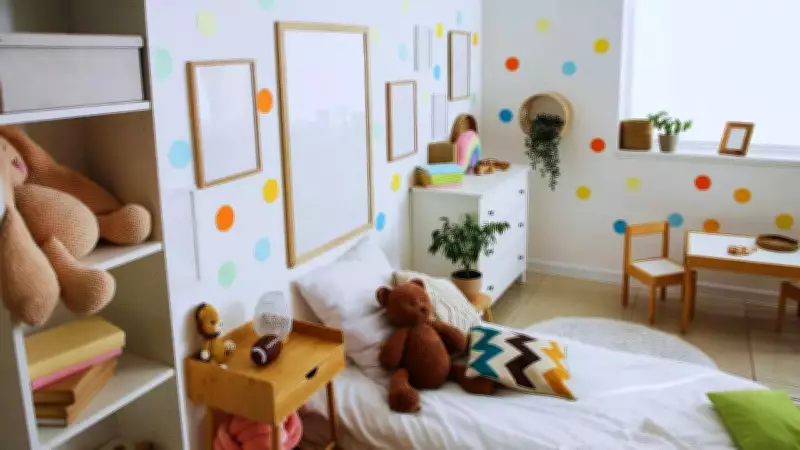
Children's preferences evolve rapidly—from dinosaur fascination during preschool years to minimalist aesthetics in adolescence. This necessitates adaptable design solutions that can grow alongside the child. Modular furniture systems, including adjustable beds and wall-mounted desks, offer excellent flexibility. Removable wall decals applied to neutral backgrounds allow personalization without permanent commitment, while multifunctional storage solutions maintain organization and teach valuable life skills.

Age-Specific Design Strategies
Infants & Toddlers (0–3 Years): Sensory Comfort and Security
For the youngest family members, design priorities center on safety, sensory comfort, and gentle stimulation. Interior Designer Punam Kalra, Creative Director of I'm the Centre for Applied Arts, recommends:
- Color schemes featuring gentle pastels, warm neutrals, or muted greens and blues that create calming atmospheres
- Minimal, child-safe furniture with rounded edges and secure anchoring to prevent accidents
- Soft flooring options like rugs, foam mats, or cork that cushion early crawling and walking attempts
- Layered lighting combining warm ambient light with soft night lamps for comforting nighttime routines
- Simple visual elements such as wall decals, animal illustrations, or alphabet prints that stimulate without overwhelming
- Accessible storage at child-height using low shelving units or labeled baskets
Preschoolers (3–6 Years): Fostering Imagination and Independence
As children develop independent thinking, their bedrooms should encourage creativity and exploration through:
- Thematic decorations using removable wallpaper, decals, and accessories that can evolve with changing interests
- Zoned areas dedicated to active play, creative work, and reading activities
- Color combinations pairing neutral bases with bright accent colors in cushions, curtains, and rugs
- Interactive elements like chalkboard walls, whiteboards, or sensory walls that support playful learning
- Organizational systems featuring open shelving, labeled bins, and low drawers that promote independence
School-Age Children (7–12 Years): Supporting Learning and Personality
For children navigating academic responsibilities, bedrooms should balance functionality with personal expression:
- Dedicated study areas with ergonomic furniture positioned near natural light sources
- Personalization opportunities through sports themes, hobby displays, or customized signage
- Smart storage solutions including bookshelves, under-bed drawers, and modular cabinets
- Space-saving options like bunk beds or trundle beds for shared rooms
- Color strategies combining neutral bases (beige, grey, light blue) with colorful accents in bedding and artwork
Teenagers (13–18 Years): Balancing Privacy and Functionality
Adolescent bedrooms require sophisticated approaches that respect growing independence:

- Mature color palettes featuring navy, charcoal, blush, or sage for elegant aesthetics
- Flexible furnishings including adjustable desks, floating shelves, and multipurpose seating
- Dedicated lounge areas with comfortable seating for relaxation and socializing
- Technology integration through charging stations, cable management systems, and task lighting
- Personal expression via gallery walls displaying photographs, art prints, or inspiration boards
Universal Design Principles for All Ages
Several foundational principles apply across all developmental stages:
- Future-proofing through neutral wall colors and evolving decor elements
- Multifunctional furniture that maximizes space efficiency
- Comprehensive safety measures including anti-slip rugs and anchored furniture
- Layered lighting systems combining ambient, task, and accent illumination
- Clutter management through regular organization and smart storage
Ultimately, successful children's bedroom design requires balancing aesthetics with functionality and flexibility. Rather than complete redesigns every few years, investing in adaptable foundation elements—neutral color schemes, modular furniture, and intelligent layouts—creates spaces that evolve seamlessly with growing children. These thoughtfully designed environments become lifelong springboards for creativity, independence, and personal growth.