

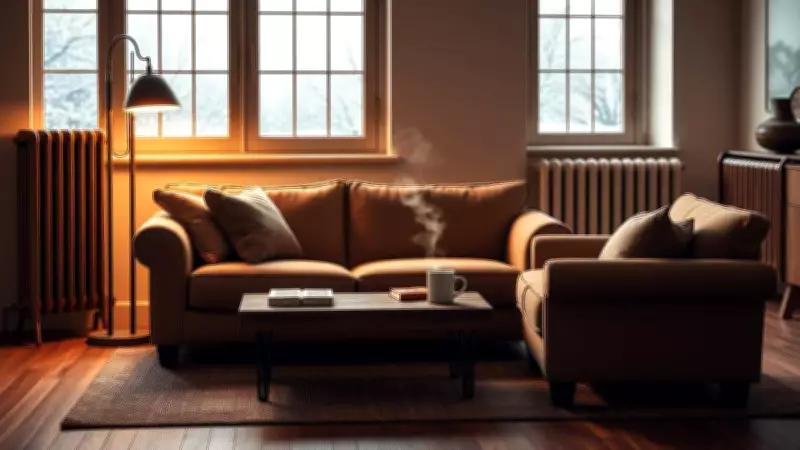
Your Furniture Could Be Blocking Heat: Simple Layout Fixes for a Warmer Home
As winter frost patterns our windows, many instinctively turn up the thermostat, expecting quick coziness. Yet, rooms often stay stubbornly chilly, leaving residents shivering. Before blaming the boiler or calling a technician, consider your living room layout. The very sofa you curl up on might act as a thermal wall, trapping expensive warmth behind its cushions and leaving the rest of the room cold.
How Furniture Disrupts Heating Systems
Radiator and radiant floor heating are not just silent boxes or tiles; they are essential for air circulation. Radiant heating and convection rely on each other. Placing furniture directly adjacent to heaters or radiators blocks this circulation, making the system inefficient. A big armchair or long sofa next to a heating unit makes no sense at all.
The Invisible Barrier of Floor-Contact Furniture
The interaction between furniture and heating surfaces is a topic of serious scientific inquiry. A study in Energy and Buildings reveals how a single piece of furniture can degrade system output. While focused on cooling panels, the physics of "furniture shelter" apply equally to heating. The research found that furniture sitting directly on a radiant surface can reduce capacity by a staggering 35 to 40 percent.

This massive drop occurs because furniture physically "shelters" the surface, blocking radiative pathways that allow heat to transfer from the source to room objects. If your couch is low to the ground and sits over a floor vent or in front of a radiator, it acts like a sponge, soaking heat into its frame and fabric instead of letting it circulate. This leads to thermal lag, where the heater works overtime, but the air stays cool due to a low "view factor"—the amount of unobstructed radiator surface visible to the room.
The study emphasizes that floor-contact furniture is the biggest culprit. Pieces with high legs or open bases allow some air movement underneath, creating a "ventilation gap" that helps heat escape. By choosing furniture that stands a few inches off the floor or pulling existing pieces away from walls, you can restore lost heating capacity without adjusting the thermostat. Clearing space, opting for leggy furniture, and ensuring unobstructed airflow can significantly improve warmth and lower energy bills.
Optimizing the Path of Warm Air
For those with traditional wall-mounted radiators, the challenge is ensuring the unit's "breath" is not cut off. A research paper titled Design considerations with ventilation-radiators highlights that radiators perform best when air flows freely across their panels. In modern systems, fresh air is often directed through radiators to be pre-warmed before entering the room. If a large shelving unit or heavy curtain blocks this entry point, it creates stagnant zones and cold drafts.
The study shows that with unobstructed airflow, radiators can operate at lower surface temperatures while providing the same comfort level, leading to lower energy bills. When you clear a path for air, your boiler doesn't have to work as hard. Something as simple as moving a desk six inches away from a radiator allows natural convection currents to rise toward the ceiling and spread warmth evenly.
Creating a heat-proof layout doesn't require ignoring design plans; it's about mindfulness. Avoid placing wall-to-wall wardrobes and low-rise sofas directly in the heat's path. Maintain distance between large furniture pieces and heat sources. Think of furniture as part of your heating system, not a hindrance. With easy modifications, you can enjoy an efficient living space.

Quick Fixes for a Warmer Room
- The Six-Inch Rule: Keep at least six inches of clear space between radiators and large furniture like sofas or beds.
- Leggy Furniture: For rooms with radiant floor heating, choose furniture with legs rather than solid bases to let heat rise.
- Curtain Check: Ensure heavy winter curtains do not hang over radiators; tuck them behind or use shorter drapes to prevent heat from being trapped against windows.
- Open the Path: Rearrange rooms so the "view" from radiators to the center is clear, maximizing radiative heat that hits you directly.
