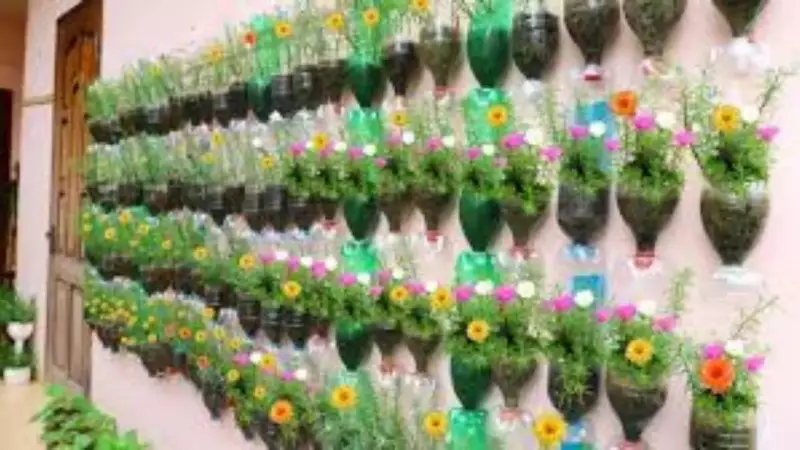
As urban spaces shrink and environmental awareness grows, Indian city dwellers are turning to innovative solutions for a touch of green. One such brilliant and eco-conscious method is creating a vertical garden on your balcony using discarded plastic containers. This approach not only beautifies your home but actively champions the causes of reuse and recycling, contributing to a healthier lifestyle. Here is a detailed, step-by-step guide to crafting your own green wall.
Step 1: Gathering and Preparing Your Materials
The first step is to collect waste plastic bottles, cans, or containers from products like water, oil, and detergent. It's crucial to clean them thoroughly, removing any residual material. Once clean, you need to create planting sites on one side of each container. Equally important is making several draining holes at the bottom to prevent waterlogging, which can harm plant roots.
Step 2: Setting Up Your Vertical Support System
Choosing the right location is key. Select a balcony wall or railing that receives sufficient sunlight—between 4 to 6 hours daily. South or east-facing balconies are typically ideal. The surface must be sturdy enough to hold the weight of multiple pots. To stack the containers vertically, you will need a robust support system. This can be created using strong ropes, metal wires, hooks, wooden frames, or wall-mounted racks. Ensure the system is securely fixed to withstand wind and rain, providing stability and making optimal use of your available space.

Step 3: Planting and Maintenance for Success
For your plants to thrive, using the correct soil mix is essential. Opt for a light, well-drained blend. A combination of garden soil, compost, or coco peat works well. Avoid heavy garden soil as it adds unnecessary weight. Enriching the mix with organic compost will significantly improve soil quality and plant health.
Plant selection is critical for a vertical setup. Choose species with shallow root systems that adapt well to containers. Excellent options include:
- Herbs: Mint, coriander, and basil.
- Leafy Vegetables: Spinach and lettuce.
- Flowers: Petunias and other compact varieties.
Matching your plant choices to the sunlight availability on your balcony is crucial for consistent growth.
Watering and Ongoing Care
Vertical gardens tend to lose moisture faster than traditional ground gardens. Keep the soil consistently moist using tools like a drip irrigation system, a spray bottle, or a simple drip bottle made from a recycled container. Proper drainage from the holes you created is vital to prevent fungal growth and root rot.
Regular maintenance will keep your garden lush. Prune plants when needed, remove dry leaves, and monitor for pests. Periodically turn the planters to ensure all sides receive equal sun exposure. Applying organic fertilizer every few weeks will further accelerate plant growth and productivity.
By following these practices, you can successfully transform even a small balcony into a productive green haven. This project offers multiple benefits: it upcycles plastic waste, improves air quality, and adds vibrant greenery to your home, all while promoting a sustainable and fulfilling lifestyle.