

Understanding Electrical Outlet Sparks: Normal Phenomenon or Warning Sign?
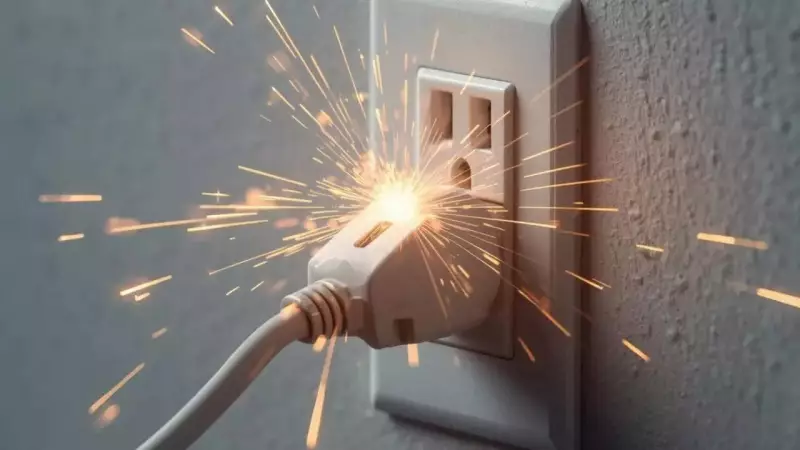
Have you ever noticed a brief, bright flash when connecting your phone charger, hair dryer, or kitchen appliance to a wall outlet? This common occurrence often startles homeowners, but in many cases, it's a completely normal part of how electricity works. The small spark you observe represents electricity bridging the gap between the plug prongs and the outlet contacts as they make connection.
What Causes Normal Sparking in Electrical Outlets?
When you insert a plug into an outlet, the metal prongs don't make perfect contact with the internal wiring immediately. During that split second when the connection is being established, electricity can jump across the tiny air gap, creating what's known as an arc flash. This phenomenon is particularly noticeable with devices that draw significant power immediately upon connection, such as:
- Hair dryers and styling tools
- Microwave ovens
- Space heaters
- Air conditioners
- Power tools and workshop equipment
These normal sparks are typically brief, quiet, and don't produce heat, smoke, or unusual odors. They occur at the moment of connection and don't continue once the plug is fully seated in the outlet.

When Sparking Becomes a Serious Electrical Hazard
While occasional small sparks during plug insertion are generally harmless, certain types of sparking indicate potentially dangerous electrical problems that require immediate attention. Dangerous sparking differs from normal sparking in several key ways and often points to underlying issues with your home's electrical system.
Common Causes of Dangerous Electrical Sparking
Several electrical problems can transform harmless sparks into serious hazards:
- Loose Wiring Connections: When wires behind the outlet become loose over time, electricity may jump erratically, creating unpredictable and potentially dangerous sparks.
- Aged or Worn-Out Outlets: Electrical outlets have a limited lifespan. As contacts wear down through repeated use, they develop resistance that can cause excessive sparking.
- Overloaded Circuits: Connecting too many high-wattage appliances to a single circuit strains the wiring and outlets, potentially causing overheating and dangerous sparking.
- Faulty Installation or Substandard Materials: Poor workmanship during installation or the use of low-quality electrical components can lead to persistent sparking problems.
Warning Signs That Require Immediate Attention
Homeowners should be alert for these red flags that indicate potentially hazardous electrical conditions:
- Sparks that continue after the plug is fully inserted into the outlet
- Loud crackling, popping, or buzzing sounds coming from outlets
- Noticeable burning smells near electrical outlets
- Visible scorch marks, discoloration, or melting around outlet covers
- Outlets that feel warm or hot to the touch
- Sparks that are unusually large, bright, or colored (blue or white sparks often indicate more serious issues)
What to Do When You Notice Problematic Sparking
If you observe any of the warning signs mentioned above, take these immediate safety steps:
- Stop using the outlet immediately and unplug all devices connected to it.
- Do not attempt to test the outlet repeatedly, as this could worsen the problem or create additional hazards.
- Turn off power to the affected circuit at your main electrical panel if you can safely do so.
- Contact a licensed electrician for professional inspection and repair. Electrical issues involving sparking, heat, or burning smells should never be handled by untrained individuals.
Preventive Measures for Electrical Safety
Proactive maintenance and smart electrical practices can significantly reduce sparking risks:

- Avoid outlet overloading: Never plug multiple high-power appliances into the same outlet or circuit. Follow manufacturer guidelines for electrical load.
- Use quality surge protectors: Invest in certified surge protectors for sensitive electronics and high-draw appliances.
- Replace aging outlets: If outlets feel loose, don't hold plugs securely, or show signs of wear, replace them promptly with new, properly rated outlets.
- Schedule regular electrical inspections: Consider having a qualified electrician inspect your home's electrical system every few years, especially in older properties.
- Install Ground Fault Circuit Interrupters (GFCIs): These safety devices, required in bathrooms, kitchens, and outdoor areas, can prevent electrical shocks and reduce fire risks.
Understanding the difference between normal electrical sparking and dangerous warning signs empowers homeowners to maintain safer living environments. While that brief flash when plugging in your laptop charger is usually nothing to worry about, persistent sparking accompanied by unusual sounds, smells, or heat requires professional attention. By practicing electrical safety awareness and addressing potential issues promptly, you can protect both your home and your family from electrical hazards.
